Choose an Insurance Quote
Cheap Toronto Car Insurance Quotes
Compare and save $500 or more on car insurance with Rates.ca.*

Get car insurance quotes with other top providers in Toronto













Content Manager
How much does car insurance cost in Toronto in 2026?
The average cost of car insurance in Toronto-proper is $2,888 per year, or about $241 per month, as of March 2026, based on Rates.ca data. This calculation excludes North York, East York, Scarborough, and Etobicoke.
How Rates.ca finds the average car insurance premium
Rates.ca’s Auto Insuramap is an interactive map that shows how car insurance rates compare across Ontario’s forward sortation areas (FSA).
The estimated premiums for each FSA are based on the average of the three lowest premiums quoted. These quotes were acquired from Rates.ca using a specific driver profile: a 40-year-old male driver with 16 years of continuous insurance history, driving a four-door Honda Civic that is approximately five years old at the time of quoting.
Very young men tend to pay more for car insurance than young women. We made our driver persona 40-years-old because the differences in premiums for men and women tend to resolve by then. We also made it male to avoid understating the premiums.
From there, we matched the FSAs to their corresponding city, town, or community, along with the number of quotes we received from real Rates.ca users in that area. The average premium for each municipality was weighted based on the number of quotes.
The estimated premium for all of Ontario was calculated by averaging the municipal averages.
Key numbers: Toronto car insurance
- The average annual premium in metro Toronto is $2,888, influenced by factors like inflation, theft rates, and traffic congestion.
- Areas that are on the periphery of the metro area have higher premiums than Toronto's average, with North York being the most expensive, followed by Etobicoke and Scarborough. These differences highlight the impact of urban density, traffic, and other risk factors on insurance costs.
- Toronto car insurance rates dropped during COVID-19 but surged post-pandemic due to inflation and rising auto thefts. In 2026, rates remain high but are expected to increase at a more even rate.
- All Halton Region cities have lower car insurance premiums compared to Toronto. Burlington and Oakville lead the GTA with the cheapest rates.
- Peel Region has the cities with the highest premiums overall.
As of March 2026
Changes coming to Ontario car insurance in 2026
Car insurance prices in Ontario will continue rising in 2026, but not as sharply as they did in 2023. Still, many drivers may notice higher premiums when their policies renew this year.
- Factors like increasing healthcare costs, cars being more high-tech, and auto theft are leading to higher insurance claims payouts. Insurance companies have raised premiums to cover these costs.
- On July 1, new rules will also change how accident benefits work in Ontario. Some benefits that used to be included automatically will now become optional.
- If you get a new policy after July 1, many accident benefits will not be included unless you ask for them.
- Choosing to do away with the newly optional accident benefits may save up to 5%, but you could lose access to tens of thousands of dollars in critical benefits.
- With the cost of everything rising, it can be tempting to cut down on coverage. Comparing car insurance quotes can help you save without giving up protection.
Toronto auto insurance rates compared to the GTA
The overall cost of living may be higher in metro Toronto than in the suburbs, but car insurance is one notable exception.
Neighbourhoods on Toronto’s outer edges tend to have higher premiums than the metro average. North York is the most expensive, with rates about 16% higher than Toronto’s average, followed by Etobicoke (+13%), East York (+11%), and Scarborough (+10%).
By contrast, the Peel Region is home to the most expensive car insurance rates in the GTA. Mississauga drivers pay an average of $3,259 per year, while Brampton has the highest premiums overall, averaging $3,802 annually.
Toronto’s car insurance rates are often cheaper than those in surrounding suburbs due to a combination of factors.
Although Toronto has heavy traffic and high urban density, it also offers more alternatives to driving and a greater number of traffic‑calming measures. Features such as bike lanes, extensive public transit, and lower speed limits can help reduce both the frequency and severity of collisions.
Suburban areas also tend to experience higher rates of auto theft. There are generally more vehicles per household, and cars are more likely to be parked in driveways or on streets rather than in secured parking facilities.
In addition, suburban residents are typically more car‑dependent. Longer commutes and fewer transportation alternatives increase time spent on the road, raising overall exposure to potential accidents.
Together, these factors make Toronto’s urban core a comparatively lower‑risk area for insurers, which can translate into lower car insurance premiums for city residents.
All communities in the Halton Region have lower car insurance premiums than Toronto. Burlington and Oakville offer the lowest average rates in the GTA, at approximately 27% and 25% lower than Toronto, respectively. Drivers in Halton Hills save about 20%, while premiums in Milton are roughly 17% lower than the Toronto average.
Downtown Toronto vs. the GTA: average car insurance rates (2026)
Rank | City | Annual premium | Difference vs. Downtown Toronto |
|---|---|---|---|
1 | $2,109 | 26.97% lower | |
2 | $2,167 | 24.97% lower | |
3 | Uxbridge | $2,175 | 24.69% lower |
4 | Port Perry | $2,193 | 24.07% lower |
5 | $2,203 | 23.72% lower | |
6 | Newcastle | $2,235 | 22.61% lower |
7 | Sunderland | $2,260 | 21.75% lower |
8 | Orono | $2,269 | 21.43% lower |
9 | $2,275 | 21.23% lower | |
10 | Halton Hills | $2,317 | 19.77% lower |
11 | Georgina | $2,380 | 17.59% lower |
12 | $2,384 | 17.45% lower | |
13 | $2,397 | 17.00% lower | |
14 | East Gwillimbury | $2,399 | 16.93% lower |
15 | Bowmanville | $2,407 | 16.66% lower |
16 | Courtice | $2,435 | 15.69% lower |
17 | $2,483 | 14.02% lower | |
18 | $2,491 | 13.75% lower | |
19 | $2,559 | 11.39% lower | |
20 | $2,650 | 8.24% lower | |
21 | $2,692 | 6.79% lower | |
23 | Downtown Toronto | $2,888 | - |
24 | King City | $2,894 | 0.21% higher |
25 | $2,900 | 0.42% higher | |
26 | $3,078 | 6.58% higher | |
27 | $3,180 | 10.11% higher | |
28 | East York | $3,207 | 11.05% higher |
29 | $3,259 | 12.85% higher | |
30 | $3,277 | 13.47% higher | |
31 | $3,348 | 15.93% higher | |
32 | $3,802 | 31.65% higher |
GTA average premium: $3,072
Updated March 2026
Why are GTA car insurance premiums rising?
The average car insurance premium within the GTA has been increasing due to a combination of factors stemming from the COVID-19 pandemic and its aftermath.
During the pandemic, insurers offered rebates and reduced premiums as fewer cars were on the road, leading to lower claims. However, as restrictions eased in 2022, claims for accidents and vehicle damage surged, exacerbated by supply chain disruptions that increased the cost of repairs and replacements. Additionally, a rise in car thefts further strained insurers' finances.
By 2023, the financial strain on insurers became evident, with profitability metrics like return on equity (ROE) dropping significantly, according to Statistics Canada report. To recover from these challenges, insurers raised premiums, resulting in a 10% quarterly increase throughout 2023. This trend is reflected in the GTA's average premiums, which rose from $2,241 in October 2022 to $2,638 in October 2024, a 17% increase, as shown in the table. The increases closely align with approved rate hikes tracked by the Rates.ca Auto Insurance Rate Index.
While the situation began to stabilize in 2024, with supply chain issues easing and rate hikes slowing, the lingering effects of the pandemic, inflation, and theft trends have kept premiums elevated. The GTA's urban density and higher risk factors further contribute to its above-average insurance costs compared to other regions in Ontario.
Historical average car insurance premiums in the GTA (2024-2025)
Region | As of Oct 2025 | As of Jun 2025 | As of Oct 2024 | As of Jun 2024 |
|
|---|---|---|---|---|---|
GTA | $2,810 | $2,765 | $2,638 | $2,543 |
|
Source: FSRA
Toronto car insurance rates by postal code
Toronto’s cheapest car insurance rates are concentrated in large clusters of postal codes where premiums differ by only $1–$2 per month. Meaningful price increases generally begin once annual premiums exceed $2,850.
Lowest‑cost areas (up to $2,824 annually)
Approx. monthly cost: $209–$235
Where they’re found: Downtown, the west end, and parts of midtown
This lowest‑cost cluster spans many M4‑, M5‑, and M6‑prefix areas, including neighbourhoods such as:
- The Beach
- Leslieville
- Roncesvalles
- High Park
- Little Italy
- Midtown
- Downtown waterfront
Across these areas, premium differences are minimal and rarely translate into a meaningful cost advantage from one postal code to another.
Lower‑middle cost areas ($2,852–$2,977 annually)
Approx. monthly cost: $238–$248
Where they’re found: Central and North Toronto
This tier includes parts of:
- Davisville
- North Toronto
- Lawrence Park
- Bedford Park
These neighbourhoods sit just outside Toronto’s lowest‑cost cluster and mark the point where rates begin to edge higher.
Higher‑than‑average cost areas ($3,014–$3,134 annually)
Approx. monthly cost: $251–$261
Where they’re found: East and West Toronto
Higher‑than‑average premiums appear in parts of:
- East York
- Glen Park/Yorkdale–Eglinton
- Fairbank
At this level, factors like traffic density, collision history, and claims frequency have a more noticeable impact on pricing.
High‑cost and highest‑cost areas ($3,320+ annually)
Approx. monthly cost: $277+
Toronto’s highest premiums are concentrated in a small number of areas, including:
Higher‑cost areas: Parts of western North York and York–Weston
Highest‑cost area: Weston, where average premiums exceed $3,695 per year (about $308+ per month)
These rates sit well above the Toronto average.
Toronto car insurance: average premiums by postal code (2026)
| Rank | Postal code | Annual premium | Monthly premium |
|---|---|---|---|
| 1 | M4E | $2,510 | $209 |
| 2 | M6R | $2,535 | $211 |
| 3 | M6K | $2,549 | $212 |
| 4 | M6S | $2,614 | $218 |
| 5 | M5E | $2,633 | $219 |
| 6 | M4G | $2,639 | $220 |
| 7 | M6J | $2,640 | $220 |
| 8 | M4J | $2,646 | $221 |
| 9 | M6P | $2,647 | $221 |
| 10 | M4W | $2,666 | $222 |
| 11 | M5J | $2,668 | $222 |
| 12 | M4K | $2,669 | $222 |
| 13 | M4T | $2,676 | $223 |
| 14 | M4M | $2,679 | $223 |
| 15 | M4S | $2,690 | $224 |
| 16 | M5B | $2,691 | $224 |
| 16 | M5H | $2,691 | $224 |
| 16 | M5C | $2,691 | $224 |
| 16 | M5K | $2,691 | $224 |
| 16 | M5G | $2,691 | $224 |
| 21 | M4C | $2,693 | $224 |
| 22 | M5V | $2,702 | $225 |
| 23 | M5S | $2,711 | $226 |
| 24 | M4V | $2,734 | $228 |
| 25 | M1N | $2,750 | $229 |
| 26 | M6H | $2,762 | $230 |
| 27 | M4Y | $2,771 | $231 |
| 28 | M8X | $2,772 | $231 |
| 29 | M5R | $2,779 | $232 |
| 30 | M8Y | $2,786 | $232 |
| 31 | M6C | $2,792 | $233 |
| 32 | M8Z | $2,793 | $233 |
| 33 | M6G | $2,796 | $233 |
| 34 | M4N | $2,807 | $234 |
| 35 | M5P | $2,814 | $235 |
| 36 | M4L | $2,822 | $235 |
| 37 | M4X | $2,824 | $235 |
| 37 | M5T | $2,824 | $235 |
| 37 | M5A | $2,824 | $235 |
| 40 | M4P | $2,852 | $238 |
| 41 | M2J | $2,860 | $238 |
| 42 | M1M | $2,878 | $240 |
| 43 | M9A | $2,883 | $240 |
| 44 | M4R | $2,886 | $241 |
| 45 | M9C | $2,893 | $241 |
| 46 | M9B | $2,901 | $242 |
| 47 | M3B | $2,926 | $244 |
| 48 | M2H | $2,937 | $245 |
| 49 | M5M | $2,947 | $246 |
| 50 | M2L | $2,969 | $247 |
| 51 | M8W | $2,970 | $247 |
| 52 | M5N | $2,978 | $248 |
| 53 | M2P | $2,996 | $250 |
| 54 | M1C | $2,999 | $250 |
| 55 | M4H | $3,015 | $251 |
| 56 | M2M | $3,021 | $252 |
| 57 | M1W | $3,035 | $253 |
| 58 | M8V | $3,044 | $254 |
| 59 | M6B | $3,051 | $254 |
| 60 | M2N | $3,052 | $254 |
| 61 | M1V | $3,081 | $257 |
| 62 | M1H | $3,108 | $259 |
| 63 | M3C | $3,113 | $259 |
| 64 | M1X | $3,123 | $260 |
| 65 | M3A | $3,134 | $261 |
| 65 | M6E | $3,134 | $261 |
| 67 | M2K | $3,142 | $262 |
| 68 | M1B | $3,155 | $263 |
| 69 | M1S | $3,181 | $265 |
| 70 | M1L | $3,199 | $267 |
| 71 | M4B | $3,207 | $267 |
| 72 | M4A | $3,223 | $269 |
| 73 | M1K | $3,229 | $269 |
| 74 | M1T | $3,229 | $269 |
| 75 | M6M | $3,241 | $270 |
| 76 | M9P | $3,246 | $270 |
| 77 | M2R | $3,264 | $272 |
| 78 | M1G | $3,283 | $274 |
| 78 | M1E | $3,283 | $274 |
| 78 | M1J | $3,283 | $274 |
| 81 | M1R | $3,301 | $275 |
| 82 | M9R | $3,321 | $277 |
| 82 | M6L | $3,321 | $277 |
| 84 | M3H | $3,326 | $277 |
| 85 | M1P | $3,354 | $280 |
| 86 | M6A | $3,393 | $283 |
| 87 | M6N | $3,571 | $298 |
| 88 | M9W | $3,599 | $300 |
| 89 | M3K | $3,649 | $304 |
| 90 | M9N | $3,695 | $308 |
| 91 | M9L | $3,716 | $310 |
| 92 | M3J | $3,731 | $311 |
| 93 | M3M | $3,799 | $317 |
| 94 | M3N | $3,803 | $317 |
| 95 | M9V | $3,843 | $320 |
| 96 | M3L | $3,921 | $327 |
| 97 | M9M | $4,026 | $335 |
Why we don't show complete postal codes
The first three characters of your postal code signfy the forward sortation area (FSA). An FSA covers a specific geographic region used to sort and deliver mail. Each FSA contains multiple postal codes.
Auto insurers also use FSAs to understand risk in an area. For example, if an FSA has more accidents or vehicle thefts than average, insurers may see that area as higher risk. This can lead to higher insurance premiums for people who live there.
We look at premiums at the FSA level because it shows clearer, more reliable pricing patterns. Since each FSA contains many postal codes, using the whole FSA helps smooth out small differences between individual addresses and gives a more accurate view of trends in your area.
Recent car insurance quotes in Toronto

Recent auto Insurance Quote from Toronto, Ontario
Male, 73 years old
2020 MAZDA MAZDA3 SPORT GT I-ACTIV 5DR AWD
June 17, 2026
Cheapest Quote
$ 212 / month
$ 2,547 / yearAverage Quote
$ 349 / month
$ 4,185 / yearSavings
$ 137 / month
$ 1,638 / year
39 %
Recent auto Insurance Quote from Toronto, Ontario
Male, 48 years old
2023 MINI JOHN COOPER WORKS CONVERTIBLE
June 17, 2026
Cheapest Quote
$ 75 / month
$ 901 / yearAverage Quote
$ 185 / month
$ 2,214 / yearSavings
$ 109 / month
$ 1,313 / year
59 %
Recent auto Insurance Quote from Toronto, Ontario
Female, 28 years old
2012 HONDA PILOT EX-L 4DR 4WD
June 17, 2026
Cheapest Quote
$ 327 / month
$ 3,928 / yearAverage Quote
$ 388 / month
$ 4,650 / yearSavings
$ 60 / month
$ 722 / year
16 %
Auto insurance quotes are compared from CAA, Coachman Insurance Company, Echelon Insurance, Economical Insurance, Gore Mutual, Pafco, Pembridge, SGI, Travelers, Zenith Insurance Company
The best car insurance companies of 2026
Drivers should always compare multiple quotes to find the best policy for their needs, and that doesn’t always mean the lowest-priced premium. Instead, a great rate should provide value and quality, with attentive customer service, an easy claims process, and personalized policy offerings.
The Rates.ca Annual Best Auto Insurance Study surveyed 14,676 auto insurance customers in Ontario about their experiences with Canada’s top auto insurance providers. These customers are from five major insurance brokerages that collectively serve more than 220,000 personal line customers.
Customers were asked about their satisfaction levels across multiple categories, from claims processing to ease of communication, as well as coverage options and overall trustworthiness.
Here are the top-ranking auto insurance companies in 2026.
Rates.ca Annual Best Auto Insurance Study 2026



CAA Insurance Company
About the winner
CAA Insurance Company ranks as the top insurer for the third year in a row, also placing first in: Most Trustworthy, Best Product & Value, and Best Communication & Clarity.
Customers praise its low rates and strong claims service. Many use its recommended repair shops.
Its products address real needs, like MyPace, which rewards low-mileage drivers skeptical of traditional usage-based insurance.
Key takeaways
- CAA Insurance leads the market with strong customer satisfaction.
- Competitive rates are the top reason customers choose it.
- The company scores highly for product value, meeting customer needs, and policy innovation.
- It also excels in communication clarity, with nearly all respondents satisfied with their policy documents and over half reporting they are very satisfied.


Intact Insurance
About the winner
Intact Insurance achieved outstanding scores for its claims process. Customers find Intact reps easy to reach, knowledgeable, and proactive. The vast majority report quick claims resolutions.
Over half of customers bypassed their broker and went straight to Intact, underscoring its reputation for hassle-free service.
Of all insurers, Intact Insurance customers are also the most likely to use the company’s app for updates.
Key takeaways
- Intact Insurance is a trustworthy brand, according to the majority of customers surveyed.
- Top-ranked for ease of its claims process; customers say it’s clearly outlined and that reps are helpful.
- Quick claims handling drives satisfaction, with nearly two-thirds of those very satisfied.
- Intact Insurance customers are more likely to reach out directly than calling their broker.


Northbridge Insurance
About the winner
Northbridge Insurance promises quick support: calls are answered within 20 seconds, and an adjuster follows up within three hours.
This speed and efficiency helped drivers rank it among Canada’s best car insurers.
It earns strong marks for claims experience, and customers say it delivers solid value for the premiums they pay without compromising service.
Key takeaways
- Northbridge Insurance is a trustworthy brand according to survey respondents.
- Earned top marks for claims experience across virtually all aspects of the claims process
- Ease of claims handling and expert representatives are key strengths for Northbridge Insurance.
- High ratings for product offerings and overall value.
How we got our ranking
To properly evaluate how great an insurance company is, you have to look way beyond online reviews. In collaboration with Pollara Strategic Insights, we surveyed 14,676 drivers in Ontario about their interactions with their insurers and specific experiences when filing claims to capture new trends and evolving expectations.
According to our methodology, we also asked them to rate their satisfaction with their insurance companies across a few critical areas, including: brand trustworthiness, claims experience, communication, products and billing.
This year, we also expanded the field and allowed insurers to rank for the following titles:
- Best Overall
- Most Trustworthy
- Best Auto Claim Experience
- Best Product & Value
- Best Communication & Clarity
To find the best overall scores, we took the scores for each survey category and weighted averages based on customer demographics, brokerage and insurance carrier.
Mandatory and optional auto insurance in Toronto
| Protection type & status | Coverage details & risks |
|---|---|
| Third-party liability [MANDATORY] | $200,000 minimum in coverage is required. Provides coverage in the event of a lawsuit resulting from an accident where you are at fault. Ontario drivers are encouraged to buy at least $1M in third-party liability insurance. |
| Accident benefits: Basic medical & rehab [MANDATORY] | Provides coverage if you are injured in an accident, regardless of who is at fault. Covers medical expenses that aren’t covered by OHIP. |
| Accident benefits: Income & family support [OPTIONAL] | Replaces lost wages, caregiver costs, and funeral expenses. After July 1, 2026, this coverage is no longer included by default on new policies; you must actively opt-in to keep your income safety net. Renewing policies will keep this coverage. |
| Uninsured automobile [MANDATORY] | Provides up to $200,000 in coverage if you are injured or killed by an uninsured driver, or if your vehicle is damaged as a result of a hit-and-run by an unidentified, uninsured motorist. |
Direct compensation property damage [OPTIONAL] | DCPD is a standard coverage. It covers damage to your car, or loss of use of your vehicle, if someone else is at fault. DCPD is automatically included in all policies, but an insurance professional can remove it using form OPCF 49. Insurance experts, as well as the Ontario regulator, warn against this. |
| Collision [ADD-ON] | Covers the costs of repairing or replacing your vehicle following a collision with another vehicle, an object, or property. Usually required for leased vehicles. |
| Comprehensive [ADD-ON] | Covers damages caused by named perils identified under the specified perils coverage, as well as losses from other perils like falling or flying objects, theft, fire, hail, windstorms, missiles, and vandalism. Usually required for leased vehicles. |
| Specified perils [ADD-ON] | Covers damages caused by named perils such as theft, attempted theft, explosions, natural disasters like fire, lightning, windstorm, hail, rising water, earthquakes, and also other perils specified in your policy. Specified perils do not cover damages due to vandalism, breakage of glass, etc. |
| All-perils [ADD-ON] | Combines collision/upset and comprehensive coverage. Also provides additional protection if a household member or an employee steals your vehicle. |
| OPCF 20: Replacement vehicle [ADD-ON] | Covers the cost of your transportation replacement and rental car insurance if you were to get into a car accident or if your vehicle is stolen. |
| OPCF 27: Rental car liability [ADD-ON] | Covers if you damage a borrowed or rental vehicle. The coverage limit is usually around $25,000 to $50,000. |
| OPCF 39: Accident forgiveness [ADD-ON] | Protect your premium from rising when you have your first at-fault accident. |
| OPCF 43: Depreciation waiver [ADD-ON] | Protects you by removing your insurer's right to deduct depreciation from the value of your vehicle when settling a claim. This coverage is for new vehicles with fewer than 5,000 kilometres. |
| OPCF 44R: Family protection [ADD-ON] | Increases your coverage if you're injured or killed in a collision involving an underinsured, uninsured, or unidentified driver. This coverage also applies if you or a family member is injured as a passenger, pedestrian, or cyclist. |
| OPCF 49: DCPD opt-out [ADD-ON] | Removes DCPD coverage from your insurance policy. |
| Legend | Essential: Critical coverage you should always have, with few exceptions Caution: Think carefully before removing Optimal: Useful add-on |
How to get the cheapest car insurance in Toronto
Car insurance rates in Toronto are overseen by the Financial Services Regulatory of Ontario (FSRA). The tactics that lower your car insurance premium in Toronto apply to the rest of Ontario, too. Here are a few tips to get the cheapest car insurance in Ontario.
- Compare quotes: Of course, the easiest way to save money is to compare auto insurance quotes on Rates.ca! If you’re looking to buy a new car, compare quotes for the vehicles you’re considering to see which one is cheapest to insure.
- Increase your deductible: The deductible is what you must pay out of pocket if you file a claim. The more you agree to pay, the lower your premium will be.
- Bundle home and auto insurance: If you bundle your home and auto insurance under the same insurance company, you can save 5 to 15% off both policies. This is also called a multi-line discount.
- Use winter tires: Toronto roads face some harsh winter conditions. Save 5% on your car insurance by installing winter tires for the season. Protect your wallet and keep you and your family safe on icy roads.
- Know what coverage you need: Review your coverage each year and cancel any add-ons you no longer need. For example, if you drive an older car that isn't worth repairing, it would make economic sense to cancel your collision coverage.
- Pay annually: If you can pay your premiums annually rather than monthly, you can often save a bit of money. Some insurance companies offer a discount on the payment of annual premiums upfront.
- Drive less: The less you drive, the more you save. If you commute to work via car, switching to transit can slash your premiums. If you don’t drive as much as you used to, call your insurance company and let them know.
- Drivers education: Most insurance companies offer discounts for new drivers who complete driver training from a Ministry of Transportation accredited driving school. A defensive driving course can also make you eligible for discounts.
- Multi-vehicle discounts: Like multi-product discounts, multi-vehicle discount means you can insure more than one vehicle under the same insurance company to snag a 5 to 15% discount on your premiums.
- Ask about employee or alumni discounts: If you are part of a professional association, union, or non-profit association, you may be eligible for group discounts.
- Avoid additional drivers: A policy that includes secondary drivers will expand the coverage of your vehicle, but it also means you'll pay more. If you have a family member who rarely uses a vehicle, consider whether you need to keep them on the policy.
Even if your insurance policy seems confusing, reviewing it regularly is important. Coverage needs can change over time as people’s lives are always changing, and small details can make a big difference in a claim. A licensed broker can explain your policy in simple terms, help you understand what you're covered for, suggest changes if needed and making sure you're always properly protected by asking the right questions.
- Anmol Chopra, registered broker (RIBO ID: 52843)
Factors affecting Toronto car insurance quotes
Insurance companies look to a multitude of rating factors to calculate your premiums. Some are obvious: you can expect to pay a higher premium if you have received multiple speeding tickets or have been at fault for collisions. But there are other factors that most drivers may not be aware of.
Here are some of the main factors that insurance companies consider when calculating car insurance rates in Toronto:
- Your neighbourhood: Your forward sortation area can influence your car insurance rates. Insurance providers are risk assessors, so if drivers in your neighbourhood are more likely to file claims, your rates will reflect this. Differences in the rate of claims from one postal code to the next can be linked to driving behaviour and congestion in the area, crime rates, and other geographic differences.
- Your vehicle: Driving a car decked out with aftermarket accessories, customized specifications, or luxury trim will also raise your insurance rates. These cars cost significantly more to repair or replace after an accident.
- Your daily commute: You may have noticed that insurance companies request your annual mileage. The more time you spend on the road, the more likely you are to get in an accident. This is why commuters tend to pay more for car insurance. If you spend two hours on Highway 401 each day then zigzagging your way into downtown Toronto, you will face higher insurance costs than someone who leaves the car at home and takes the TTC or GO train to work. From an auto insurance perspective, commuting by transit, walking, or cycling is a much better choice.
- Your driving history: Your personal driving record has an outsized impact in determining your car insurance premiums. If you have any convictions or accidents on your record, you’ll pay more for insurance until enough time has passed (usually six years). Those pesky speeding tickets can raise a red flag if you have a pattern of accumulating them. While parking tickets will not increase your insurance rates, if your driver’s licence gets suspended because of too many unpaid parking tickets, this can cause your insurance provider to increase your rates.
- The coverage you have: Like all cities in Ontario, Toronto has mandatory and optional auto insurance coverages. If you select coverages beyond the minimum requirement, you will pay more for that enhanced protection.
- Discount eligibility: Your age, occupation, and alumni are all potential sources of discounts. You can always ask your insurance provider about the discounts you're eligible for to ensure you get the best rate.
- Additional drivers: A policy that includes secondary drivers will expand your vehicle's coverage, but it also means you'll pay more.
- Bundle your insurance: Your insurance provider might also ask you to bundle your insurance policies, such as home and auto, as an easy way to reduce your premium from 5-15%.
How to get Toronto car insurance quotes on Rates.ca
Ready to compare quotes and save?
Tell us about your vehicle
Answer a few basic questions about your driving & car insurance history.
Compare your quotes
See quotes from top insurance companies side by side.
Choose the right coverage
Find the right protection for your vehicle.
Secure your rate
Connect with the provider and secure your rate.
What people say about our quotes

Based on 6,702 reviews

It's a good experience to use Rate.ca for quote.
It's easy, quick and clearly to get a quite online. The quoted price is quite favorable. Following the instruction in notification email, I made call get chance to talk to referred broker. The broker explained the quite in detail and answered all my questions in very knowledgeable, professional and polite way.
Y. Chen
Alexey Fedortsov
My broker, Alexey, was able to get a great rate of 3.81%- fixed-varible, during the current economic stressors, and was in constant communication with me throughout the process. I feel that Rates.ca is a great company to assist with getting you a fair mortgage and is supportive and caring. I recommend Rates.ca
Bridgette
Quick, Easy and Accurate
By far the quickest and easiest way to find your best mortgage rates! Nobody will hound you after getting your rates!! Highly reccomend using Rates.ca
sean
Easy and quick
Easy and quick
Brayden Laidlaw
Was able to connect me to a broker…
Rates.ca were able to connect me to a broker right away who found me an even better price than what was posted on their website.
Melissa Nemeth
The questionnaire was straightforward…
The questionnaire was straightforward and easy to manipulate a maneuver.
David
All good and I could understand the…
All good and I could understand the people who interacted with me
Francois Bilodeau
1st time Scoop client
What a great experience! I needed to find a more economical bundle for my auto & home insurance and Scoop more than delivered. Daniel Ruddach was so knowledgeable with advice & suggestions that I truly appreciated. With all his patience with my questions and concerns Daniel helped me make a confident and easy choice.
VA
Rates .ca was very helpful to me
Rates .ca was very helpful in to me. All I had to do is full in my information and they use it to find the best quote for me. I actually got a better offer which I was able to save an extra $60. Per month. Excellent service at a reasonable time.
Sylvester Bartley
Toronto car insurance FAQs

Toronto car insurance rules & regulations you need to know
1. Car insurance is mandatory
Drivers in Toronto must have car insurance by law. If you're caught driving without valid insurance:
- Your driver's license will be suspended
- Your vehicle will be towed
- Fines range from $5,000 to $50,000
2. Ontario has a no-fault insurance system
Toronto operates under a no-fault insurance system. This means you always deal with your own insurance company, regardless of who is at fault in an accident.
3. Drivers buy coverage from private companies
Auto insurance in Toronto is privatized. You can purchase a policy from:
- Licensed insurance brokers
- Insurance agents
- Direct writers
4. Car insurance rates are regulated by the province
The Financial Services Regulatory Authority of Ontario (FSRA) regulates auto insurance in Toronto.
- FSRA ensures rates are reasonable while allowing providers to cover costs and make a profit.
- Providers must apply for rate changes, often due to changes in claims costs.
FSRA was formerly known as the Financial Services Commission of Ontario (FSCO).
Why this matters
Staying informed about Toronto's auto insurance system helps you comply with the law and make smarter insurance decisions.
Why is car insurance more expensive in the GTA?
Insurance companies base your rates on how likely you are to make a claim. Although your driving history is a major factor, high traffic volumes, collision numbers, and the cost of repairs also play a part.
- Traffic congestion: One of the busiest highways in the world, the 401, runs straight through the city of Toronto. With so many cars on the road, there’s a likelihood of more accidents. This leads to more claims that in turn drive up the costs of insurance.
- Auto insurance fraud: Big cities like Toronto experience a lot of insurance fraud, which affects the entire insurance industry. When insurance companies have to pay out on fraudulent claims and repairs, they can no longer afford to maintain lower premiums. Rate increases are implemented to help cover these costs.
- Auto theft: According to the Insurance Bureau of Canada (IBC), a car is stolen every six minutes in Canada. Driving a car that is more susceptible to theft, and living in areas that have higher crime rates, will result in higher premiums. Every year, IBC produces a list of the top 10 stolen vehicles in each province. If your car appears on this list, it is very likely your insurance premiums will increase upon renewal.
Despite these factors, you can always try to find a better rate. Compare insurance rates today to get the best quote.
When should I shop around for the best car insurance rates in Toronto?
You don’t need to wait until renewal time to shop around for rates. If you’re done paying big city premiums and want to find cheaper rates, the easiest way to switch to a better rate is to shop online and compare. Let’s take a look at what else you could do to get cheaper car insurance rates:
- Did you take a ministry-approved training program? Completing a Ministry of Transportation approved and accredited driving school will not only help you get your licence, but can bring down your premiums. When you’re on the lookout for quotes, make sure you mention this to get significant discounts.
- Are you in the market to buy a car? Do some research before you buy and compare the cost of insurance for your shortlisted vehicles. Often, luxury cars and sports cars will cost more to insure, while cars like Toyota Camrys, Honda Accords, and Hyundai Elantras will cost less.
- Are you planning a move? Since where you live affects your car insurance rates, it’s worth having a look at how insurance rates vary between postal codes. Toronto’s housing market isn’t cheap but depending on where you live you can save on car insurance.
- Did you just get married? Or change jobs? Mention important life changes to your insurer as these milestones can help you save. If you have recently gotten married, for example, you might be seen as a safer driver and thus you might be eligible for savings.
Do I need extra car insurance if I drive for Uber, Lyft, or Hopp in Toronto?
Yes, if you drive for rideshare services like Uber, Lyft, or Hopp in Toronto, you’ll need additional car insurance coverage. A special endorsement, known as a rideshare or transportation network endorsement, is required to cover the commercial use of your vehicle. Here’s why it’s essential for Toronto drivers:
- Rideshare endorsement: This add-on ensures you’re covered during all phases of rideshare driving, including waiting for ride requests, driving to pick up passengers, and transporting them to their destinations.
- Personal insurance limitations: Standard personal car insurance policies in Ontario typically exclude coverage for accidents or claims that occur while the vehicle is being used for commercial purposes, such as ridesharing.
- High traffic risks: Toronto’s busy streets and high traffic volumes increase the likelihood of accidents, making proper insurance coverage even more critical.
- Legal compliance: Operating as a rideshare driver in Toronto without the proper insurance can result in denied claims, fines, or even policy cancellation.
To ensure you’re fully protected and compliant with Ontario’s insurance regulations, contact your provider to discuss adding a rideshare endorsement to your policy. This will give you peace of mind while driving for Uber, Lyft, or Hopp in Toronto’s bustling urban environment.
Does car insurance cover flash flooding in Toronto?
Flash flooding is becoming an increasingly common risk in Toronto due to heavy rainfall and urban infrastructure challenges. However, damage caused by flash flooding is not covered by default under standard car insurance policies. To protect your vehicle, you’ll need to purchase comprehensive coverage. Here’s what Toronto drivers should know:
- Comprehensive coverage: This optional add-on protects against non-collision events, including flooding, vandalism, theft, and falling objects. It’s essential for safeguarding your vehicle from unpredictable weather events like flash floods, which are increasingly common in Toronto.
- Filing a claim: If your vehicle is damaged by water, you’ll need to file a claim under comprehensive coverage or, in some cases, all-perils coverage. These policies cover repairs or replacement costs for flood-related damage.
- Without coverage: If you don’t have comprehensive or all-perils coverage, you’ll be responsible for all flood-related repair costs out of pocket.
- Urban risks: Toronto’s dense urban environment and aging drainage systems can exacerbate flooding risks, making comprehensive coverage a smart investment for city drivers.
To stay protected, review your current policy and consider adding comprehensive coverage. This will ensure your vehicle is covered against flash flooding and other non-collision risks, giving you peace of mind during Toronto’s increasingly unpredictable weather events.
Does car insurance cover parking lot accidents in Toronto?
Yes, car insurance does cover parking lot accidents in Toronto. However, there are important details to understand about how coverage works and how fault is determined. Here’s a breakdown:
Coverage
- Damage to your vehicle: Parking lot accidents are typically covered under your collision or comprehensive coverage, depending on the nature of the damage.
- Liability coverage: If you’re at fault for damaging another vehicle, your liability insurance will cover the costs of repairs for the other driver.
Fault determination
In Ontario, fault for parking lot accidents is determined based on the Fault Determination Rules. These rules provide clear guidelines for assigning fault in various scenarios, including parking lot incidents. Here are some examples:
- Failure to yield: If a driver fails to yield the right of way or backs into another vehicle, they are typically deemed at fault.
- Shared fault: In situations where both vehicles are moving, fault may be shared between the drivers depending on the circumstances.
What to do after a parking lot accident
If you’re involved in a parking lot accident in Toronto, follow these steps to ensure the situation is handled properly:
- Document the scene: Take clear photos of the damage, the parking lot layout, and any relevant signage or markings.
- Exchange information: Share insurance details with the other driver involved in the accident.
- Report the accident: Notify your insurance provider as soon as possible to start the claims process.
Tip: For more details on how parking lot accidents are handled under your specific policy, review your coverage or speak directly with your insurance provider. Understanding your policy can help you navigate these situations with confidence.
Why is there so much car theft in Toronto?
Car theft in Toronto has been on the rise, and there are a few key reasons behind it:
- High demand for stolen vehicles: Many cars are either shipped overseas or taken apart for parts, making them valuable targets for thieves.
- Advanced theft methods: Tools like relay devices allow thieves to hack keyless entry systems, making it easier to steal vehicles.
- Busy urban environment: With so many cars in Toronto, especially in unsecured parking areas, there are more opportunities for theft.
- Organized crime: Some thefts are part of larger operations that quickly move or resell stolen vehicles.
- Simple mistakes: Leaving cars unlocked or valuables in plain sight can make vehicles more tempting to thieves.
How to protect your car
Here are some simple steps to help keep your car safe in Toronto:
- Always lock your car and take your keys, even for quick stops.
- Park in well-lit or secure areas whenever possible.
- Use anti-theft tools like steering wheel locks or GPS trackers.
- Consider etching your vehicle identification number (VIN) on your windows as a deterrent.
- Keep valuables out of sight to avoid drawing attention.
By staying cautious and taking these steps, you can reduce the chances of car theft and keep your vehicle safe in Toronto.
Which company is the best for car insurance in Toronto?
There isn’t one insurance company that’s the best choice for everyone. Is price your top priority? Keep in mind that insurance companies vary in their approach to pricing policies. Depending on your personal profile, one company might see you as a better fit for them and give you a competitive rate. Another may see you as riskier to insure and offer a less attractive rate.
You can’t determine which company will offer you the cheapest rate based on branding alone. You need to compare insurance companies to find out which one can offer you the best price.
Customer service experiences can vary, too. However, it’s a simpler metric to compare across companies, as insurers often promote their programs, discounts, and other benefits to attract new customers. This is why we created the Rates.ca Best Auto Insurance Study. In 2025, CAA Insurance was ranked the best overall insurance company for customer service, reliability, and ease of use. Learn more about the study and the other winners.
Ready to see your savings?
Take a few minutes to start a new money-saving habit. Join thousands of Ontario drivers who have found better coverage for less.
Disclaimers
*More than 50% of Rates.ca users in Ontario who obtained an auto insurance quote from January to December 2024 saw savings ranging from $250 to $850, with an average savings of $517. The average savings amount represents the difference between the users’ average lowest quoted premium and the average of the second and third lowest quoted premiums generated by Rates.ca.
**The Registered Insurance Brokers of Ontario (RIBO) is the self-regulatory organization in charge of overseeing insurance brokers working in the province. Its mandate is to protect the public by ensuring that brokers meet provincial standards for licensing, professional competence, and ethical conduct. It maintains a public database of registered brokers, which displays a broker's licensing status and their standing within RIBO.

Alexandra Bosanac, Content Manager
Alexandra Bosanac has been a content manager for Rates.ca since 2021, specializing in auto insurance. She began covering auto insurance in 2017. Alexandra has a bachelor's degree in journalism from Toronto Metropolitan University. Before joining the Rates.ca editorial team, she reported for the Canadian Business, the Toronto Star, the National Post, and the CBC.
Latest auto insurance articles:
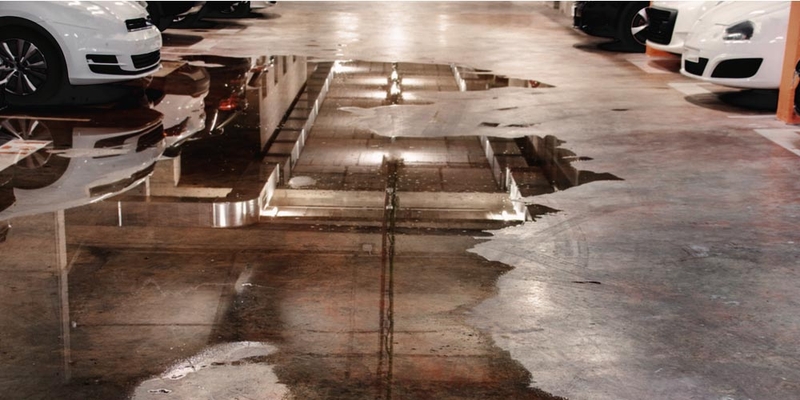
How to reduce risk of your car getting caught in an underground parking garage flood and details on your insurance coverage options.
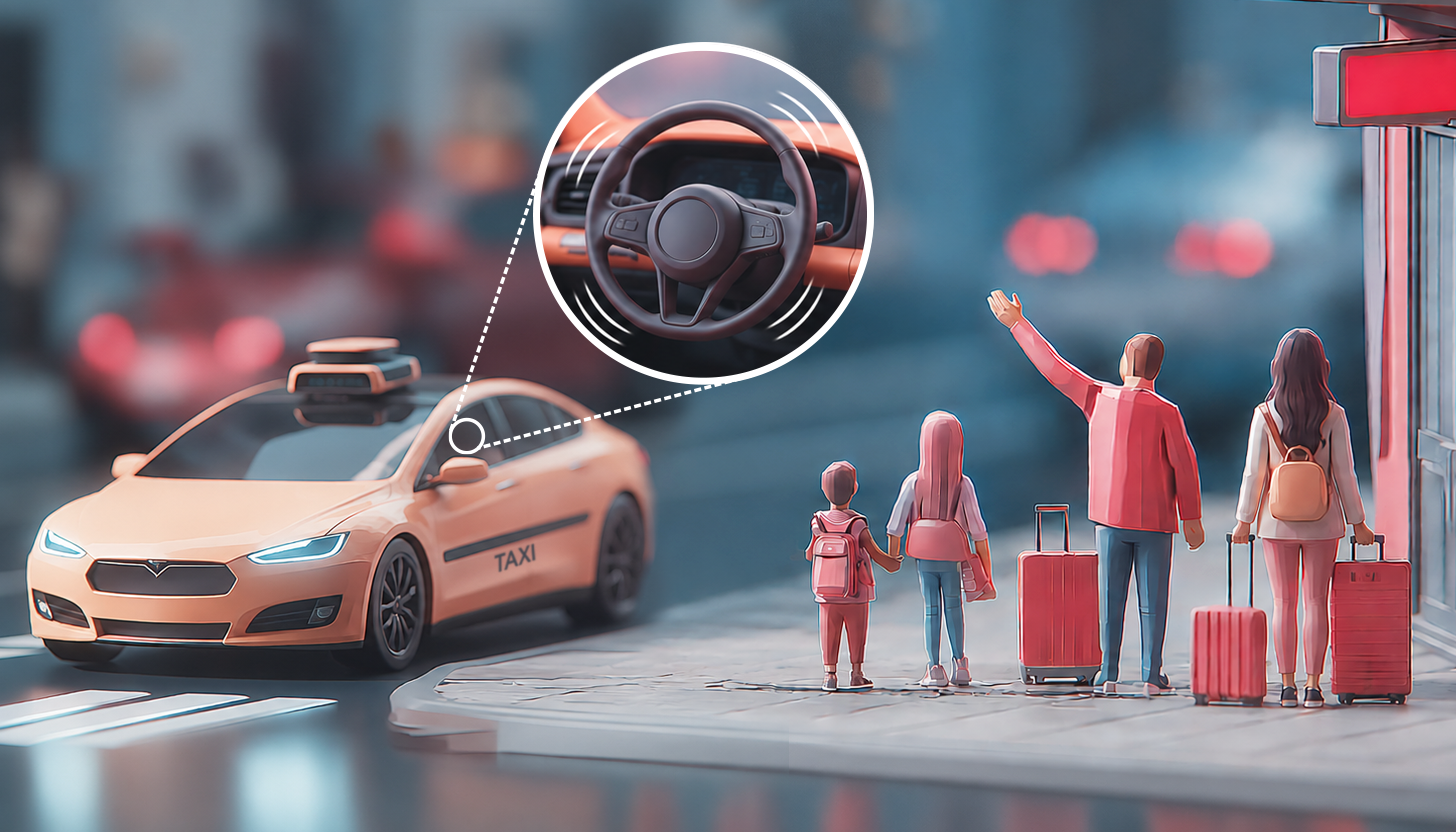
With only 13% of Canadians open to buying autonomous vehicles, experts expect adoption to begin through ride-hailing services before widespread ownership.
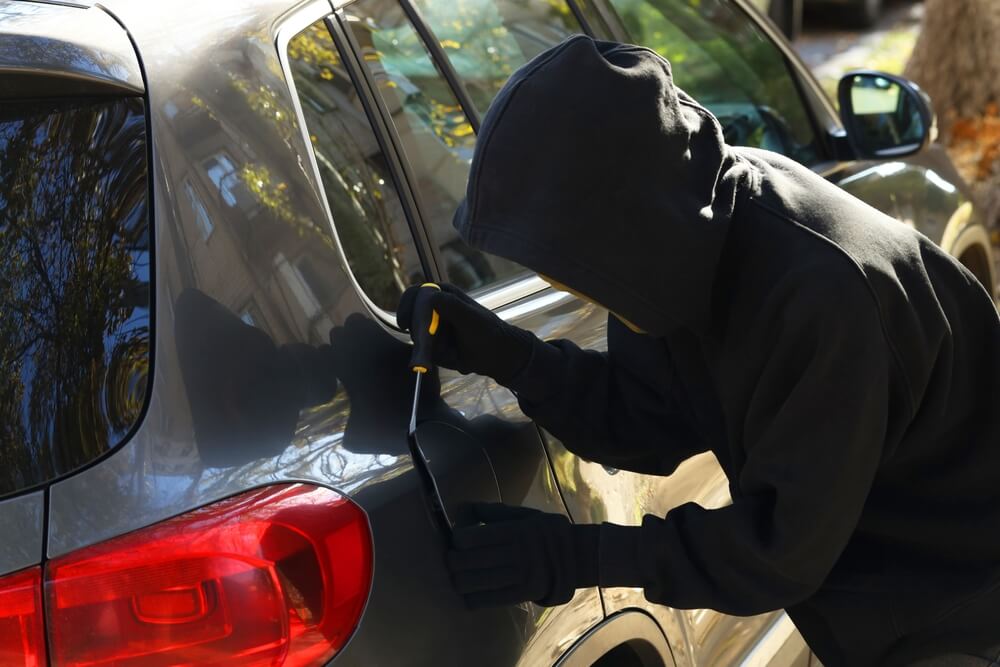
Rising auto theft could increase car insurance rates for everyone. Follow these tips to prevent your vehicle from being stolen.
Save on car insurance in 2026 with proven strategies like bundling policies, usage-based programs, higher deductibles, and comparing quotes annually.

Only use your vehicle a few months of the year? Explore different types of seasonal car insurance options available.

Cyclists in Ontario can be at fault in a road accident. While insurance isn’t required, cyclists have multiple options to cover expenses from a road accident.