Choose an Insurance Quote
What is a multi-vehicle discount and why should you care?

KEY FINDINGS
- A multi-vehicle discount can save households up to 15% on car insurance by insuring two or more vehicles under the same policy or with the same insurer.
- To qualify for a multi-vehicle discount, all vehicles must usually be registered at the same address and insured under one policy, though some exceptions may apply for immediate family members at different addresses.
- Multi-vehicle discounts are ideal for households with multiple cars, while multi-driver discounts work best for one car shared by several drivers, and combining both options can maximize savings.
- Factors like age, location, driving history, and vehicle type can impact the discount, with younger drivers or high-risk vehicles potentially reducing the savings.
- Multi-vehicle discounts not only save money but also simplify insurance management by combining billing, renewals, and claims into one policy.
Car ownership in Canada is becoming increasingly expensive. Annual costs have risen by 9% from 2024 to 2025, reaching an average of $5,497 per year, according to car-share service, Turo.
The survey also states that 70% of Canadians report that their monthly vehicle expenses exceed their comfort level. And if you own more than one vehicle, that cost for insurance per household can add up quickly.
Multi-vehicle discounts are a smart way for families with more than one car to save money. By insuring all their cars under one policy or with the same company, Canadians can lower their insurance costs.
What is a multi-vehicle discount?
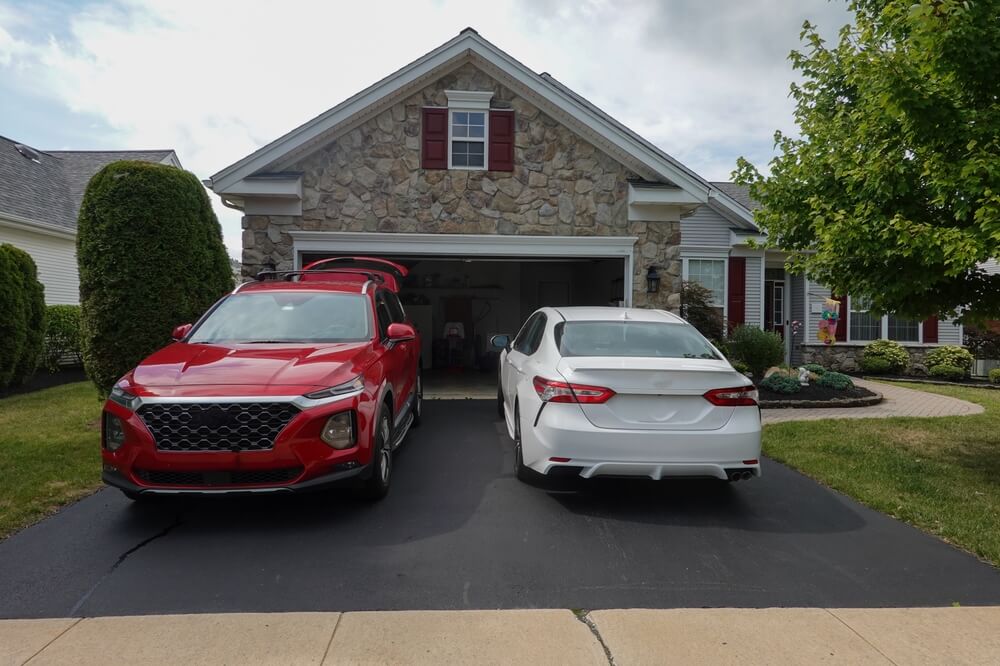
A multi-vehicle discount is a way to save on car insurance by insuring two or more cars under the same policy or with the same company.
This discount, which can be up to 20%, helps reward loyal customers and makes managing insurance easier for families with multiple cars.
Multi-vehicle vs multi-driver discount
When it comes to saving on car insurance in Canada, multi-vehicle and multi-driver discounts offer different benefits depending on your household's needs. Here's a simple breakdown:
Multi-vehicle insurance
This option works best for households with more than one car. Each car gets its own coverage, meaning premiums and claims are handled separately.
But unlike insuring each car separately, this option offers bundled discounts, a single renewal date, and easier claims management. You can still customize coverage for each car. For example, a family with a luxury car and an older sedan can adjust coverage to match each car’s value and use.
Another perk? If one car is in an accident, it won’t affect the premiums of the others. This makes it a great choice for families who want flexibility and personalized coverage.
Multi-driver discount
If your household has one car but multiple drivers, adding everyone to the same policy can save money and make things simpler. This is especially helpful for families with young or occasional drivers who don’t own their own cars.
Just remember, coverage limits are shared, so make sure the policy fits everyone’s needs.
The best of both worlds
For families with multiple cars, multiple drivers, or both, combining both options might be the smartest move. You can insure each car separately for customized coverage while adding occasional drivers to one or more policies. This way, you get both flexibility and savings.
Basic criteria for multi-car discount qualification
Qualifying for a multi-vehicle discount is simple. Most insurers require:
- All vehicles to be registered at the same address.
- The vehicles to be insured under the same policy or with the same insurer.
- The policyholder to be the primary driver or to include other drivers from the same household (like spouses, partners, or children).
There are some exceptions. For example, some insurers may allow vehicles registered at different addresses if they belong to immediate family members. It’s always a good idea to check with your provider or broker to see if you qualify. Keep in mind, most multi-car policies have a limit of five vehicles per policy.
Beyond the basics, things like age, location, and driving history can also impact your discount:
- Age: Younger drivers under 25 are seen as higher risk, while older, experienced drivers with clean records get lower premiums.
- Location: Living in a busy city with more traffic and accidents means higher premiums, while rural areas with less risk offer better savings.
- Vehicle type: Expensive or frequently stolen vehicles may limit your eligible discount because of higher repair/replacement costs.
- Driving record: A clean driving history and low vehicle use can increase your discount.
- Claims history: The more claims you’ve made, the higher your premium will be.
Read more: These are the top five factors that influence your auto insurance rate
Should you ask about a multi-vehicle/multi-driver discount?
At a time when 70% of Canadians are feeling burdened by rising vehicle costs, multi-vehicle discounts can offer much-needed relief.
By insuring multiple cars under one policy, families can save up to 15% on their premiums. These savings can be a big help, especially for households on tight budgets.
Multi-vehicle insurance also makes life easier by combining billing, renewal dates, and coverage into one policy. This saves time and lowers the chance of missed payments or lapses in coverage.
Plus, insurers often prioritize these households, offering perks like dedicated account managers and quicker claims processing.
Learn more: How to add non-family members to your auto insurance policy
What if you have a high risk or a young driver in the household?
For families with multiple drivers— like parents with teens or couples with their own cars— multi-vehicle policies can make a big difference.
The multi-vehicle discount applies to the car, whether the driver is listed as the main driver or an occasional one.
Occasional drivers: If a younger driver is listed as an occasional driver on a parent’s car, the parent’s status as the main driver helps keep premiums lower.
This also helps the younger driver build their insurance history, and the multi-vehicle discount can further reduce costs.
- Primary drivers: If the younger driver owns their own car, they must be listed as the primary driver, which means higher premiums because of their age and risk level.
Younger drivers, especially males under 25, face high premiums, with a 20-year-old new driver paying over $13,000 annually. Here’s how households can structure their setup to manage costs:
- Three cars and three drivers: Each driver should be the primary driver on one car.
- Two cars and three drivers: The younger driver can usually be listed as an occasional driver to help to lower costs.
By carefully assigning drivers and vehicles, families can take full advantage of multi-vehicle discounts while keeping premiums under control.
Read more: How much is driving school in Ontario?
What if you have a claim history?
Claims are linked to the driver who made them. In a household, the impact of a claim depends on how your vehicles are set up:
- Two cars: If you have a claim on your record but your spouse has a clean record, your car will cost more to insure, while your spouse’s car won’t be affected.
- One car: If there’s only one car, the higher-risk driver (you) must be listed as the primary driver. This means your claim will impact the entire policy.
This setup makes sure premiums are based on the risk tied to both the driver and vehicle.
Read more: What is the mandatory minimum car insurance you need to have in Canada?
Step-by-step guide to applying for a multi-car discount
Getting a multi-car discount is simple if you follow these steps:
- Review your policies: Check if your vehicles are insured with different providers and consider consolidating them.
- Contact your insurer: Ask about adding vehicles to your policy or inquire about multi-vehicle discounts when shopping for a new provider.
- Provide documents: Share vehicle registrations, driver’s licenses, and proof of address for all drivers.
- Compare quotes: Ensure you’re getting the best deal by comparing rates from multiple insurers.
- Confirm coverage: Finalize your policy and verify the discount is applied.
Related: Do you need to add your children to your auto insurance?
Frequently asked questions
1. Do all vehicles on a multi-vehicle policy share the same deductible?
Usually, all vehicles on the policy have the same deductibles. However, exceptions can apply, like for a seasonally used vehicle. That said, deductibles aren’t shared. If one car is in an accident, only that car’s deductible applies.
2. Can I customize coverage for each vehicle?
Yes, you can tailor coverage for each car. For example, you might choose full coverage (collision and comprehensive) for a newer car and liability-only for an older one.
Add-ons like roadside assistance or rental car reimbursement can also be selected per vehicle. For instance, you might add these for your main car but skip them for a less-used vehicle.
3. How many vehicles can I include on a single policy?
Most insurers allow up to five vehicles on one policy, as long as they’re registered to the same address or owned by immediate family members.
4. Are there provincial differences in how multi-vehicle insurance works?
Yes, insurance rules vary by province. Public insurance systems in British Columbia and Manitoba may limit multi-vehicle discount options, while private insurers in Ontario and Alberta offer more flexibility. Some provinces allow coverage stacking (combining coverage limits across vehicles), while others do not. Check with your insurer for details.
5. Can specialty vehicles like motorcycles or RVs be included?
Specialty vehicles like motorcycles, RVs, or antique cars often need separate policies and may not qualify for multi-vehicle discounts. Check with your insurer for specific rules.
6. What happens if vehicles are registered at different addresses?
Some insurers make exceptions for vehicles registered at different addresses, like a child’s car at college, as long as they are owned by immediate family members.
By understanding these FAQs, you can better navigate the logistics of multi-vehicle insurance and make informed decisions to optimize your coverage and savings.
Read next: 20 ways to get cheaper auto insurance
Don't waste time calling around for auto insurance
Use Rates.ca to shop around, and compare multiple quotes at the same time.

Arshi Hossain
Arshi Hossain, Associate editor
Arshi Hossain is the associate editor at Rates.ca. She has 4+ years of experience in delivering strategy-backed digital content through various mediums. Her expertise lies in breaking down complex information, meeting people where they are, and in the moments that matter.
Prior to joining Rates.ca, she worked in the editorial and digital content space at Wealthsimple, supported digital strategies, and UX writing for payment products and solutions at Bank of Montreal. She has also worked with startups to support editorial, content writing, communications, copywriting, and marketing needs.
Featured Topics
Care-First 2027 ends Alberta’s auto insurance rate cap. Projects $300 in avg. savings, encourages comparing rates, shifts focus from courts to care.
Here's what Ontario drivers need to know about consequences of driving uninsured or getting injured in a collision without insurance.
While dealers clear inventory in the fall, best car deals depend on vehicle demand, supply stock, and when the next model year arrives at dealerships.
Eastern Ontario dominates Ontario's cheapest car insurance markets, with annual premiums starting at $1,824 in 2026.
Colour of your car won't change your auto insurance rate but could impact vehicle repair costs and resale value.

How 'Dieselgate', stricter emissions rules, and changing economics reshaped Canada's passenger vehicle market away from diesel.
Premium gas costs nearly 30¢ more per litre than regular, meaning drivers whose vehicles don't require it could save $400 to $700 a year at the pump.
CEO of Rates.ca, Igal Mayer explains how Covid-era price increases reshaped the auto market and what could bring costs down for consumers.
Accident forgiveness is an extra layer of protection for drivers at fault in their first collision; and helps prevent an increase in premiums.