
Choose an Insurance Quote
Compare Home Insurance Quotes in Canada
Save $300 or more on home insurance with Rates.ca.*
Compare home insurance quotes from providers you trust






Jump straight to...
- Home insurance quotes in Canada: everything you need to know
- Canadian home insurance trends in 2026
- Canada personal property insurance premium rate index (2021 – 2026)
- Personal property insurance statistics in Canada
- What is a home insurance quote?
- Choosing the right home insurance policy
- Types of home insurance
- Standard home insurance coverage
- Add-ons to home insurance coverage
- What is not covered under your home insurance
- Factors that affect your home insurance premium in Canada
- How to get the cheapest home insurance in Canada
- Frequently asked questions about home insurance in Canada

Content Manager
Home insurance quotes in Canada: everything you need to know
Home insurance is meant to safeguard your biggest investment – your property – from unforeseen losses. That said, it's probably that, like many homeowners in Canada, you feel that you might be overpaying for your policy. This makes comparing home insurance quotes a necessity. To help you get the best quote, we'll show you how to both select the right policy for your home insurance needs and ensure you're paying the lowest premium possible.
Key home insurance insights in 2026:
- Home insurance can cost you between $1,000 to $2,000 per year, depending on personal factors like your location, replacement cost and claims history.
- In Ontario, the average estimated home insurance rate is $1,796 per year, according to the latest Rates.ca Home Insuramap data (as of Jan. 2026).
- Extreme weather claims across Canada have increased significantly in the last several years, leading to higher home insurance premiums.
- The average premium rate change for home insurance in Canada has increased 7.8% from Q4 2024 to Q4 2025, according to the Applied Rate Index.
Canadian home insurance trends in 2026
Personal property premium rates have increased for Canadians across the board.
From Q4 2024 to Q4 2025 rates rose an average of 7.8%. Much of that increase can be attributed to the financial costs associated with severe weather damage, which reached $9.2 billion in 2024, including over $1.8 billion in commercial insured losses, according to the Insurance Bureau of Canada.
"Severe weather events, such as the storms and flash flooding that swept through the GTA last summer, or the wildfires forcing thousands to evacuate in Manitoba and Saskatchewan, used to happen once every 20 to 50 years," says Steve Cohen, the VP of Insurance and Chief Underwriting Office at Rates.ca. "They are now yearly occurrences."
Repair and rebuilding costs are also a factor, which have gone up due to inflation, skilled labour shortage and soaring material and equipment costs. In fact, residential building construction costs – which reflect the value of all materials, labour, equipment, overhead and profit to construct a building – have gone up 61% between 2024 and 2019. It doesn't help that, according to a March 2024 report by BuildForce Canada, almost 28,000 workers in the construction industry are projected to retire by 2033, even though higher demand will require the labour force to grow by 88,400 workers. This means that rebuilding costs are only likely to increase in the near future.
“The cost of rebuilding or repairing after water damage can spiral into tens or even hundreds of thousands," says Rates.ca insurance expert Daniel Ivans.
Canada personal property insurance premium rate index (2021 – 2026)
Quarter | Alberta | Atlantic | Ontario | Quebec | BC | Sask. & Man |
|---|---|---|---|---|---|---|
Q4 2025 | 13.5% | 9.5% | 4.3% | 6.4% | 1.8% | 9.0% |
Q3 2025 | 13.0% | 7.3% | 4.6% | 11.3% | 4.6% | 9.0% |
Q2 2025 | 9.5% | 7.1% | 5.0% | 10.1% | 1.0% | 9.4% |
Q1 2025 | 3.4% | 4.1% | 5.7% | 9.6% | -5.9% | 4.0% |
Q4 2024 | 7.2% | 4.4% | 9.0% | 8.5% | 4.7% | 7.9% |
Q3 2024 | 5.5% | 5.5% | 10.4% | 5.0% | 7.5% | 7.6% |
Q2 2024 | 5.9% | 7.9% | 12.5% | 4.8% | 10.7% | 8.3% |
Q1 2024 | 10.4% | 9.2% | 12.7% | 3.7% | 18.3% | 12.0% |
Q4 2023 | 0.7% | 9.2% | 8.3% | 2.5% | 11.1% | 6.4% |
Q3 2023 | 1.0% | 10.1% | 7.5% | 11.1% | 10.1% | 7.5% |
Q2 2023 | 7.1% | 8.5% | 6.4% | -0.4% | 9.0% | 6.2% |
Q1 2023 | 5.1% | 8.2% | 5.1% | -0.5% | 6.9% | 5.2% |
Q4 2022 | 10.0% | 7.3% | 5.4% | 2.0% | 6.3% | 6.7% |
Q3 2022 | 11.6% | 7.4% | 4.6% | -5.1% | 7.0% | 6.9% |
Q2 2022 | 8.1% | 5.5% | 5.3% | 5.7% | 8.7% | 6.6% |
Q1 2022 | 10.0% | 5.7% | 4.9% | 0.8% | 10.0% | 7.5% |
Q4 2021 | 10.1% | 7.9% | 2.3% | -0.2% | 8.1% | 6.6% |
Q3 2021 | 10.3% | 5.2% | 3.7% | -0.9% | 7.8% | 7.0% |
Q2 2021 | 6.5% | 6.4% | 2.5% | 1.5% | 6.1% | 7.2% |
Q1 2021 | 1.6% | 4.9% | 0.3% | 8.6% | 3.9% | 4.2% |
Note: The percentages listed above are derived from comparing rates from one quarter to the same quarter in the prior year (e.g., Q2 2024 is compared to Q2 2023).
Source: The Applied Rate Index (Q4 2025)
Personal property insurance statistics in Canada
Year | Personal property | Personal property |
|---|---|---|
2022 | 14,836 | 8,479 |
2021 | 14,385 | 7,047 |
2020 | 13,712 | 7,012 |
2019 | 12,419 | 7,180 |
2018 | 11,976 | 7,228 |
2017 | 11,226 | 6,533 |
2016 | 10,663 | 6,253 |
2015 | 10,187 | 5,489 |
2014 | 9,791 | 6,045 |
2013 | 9,024 | 6,161 |
2012 | 8,565 | 5,013 |
Source: Insurance Bureau of Canada (IBC)
What is a home insurance quote?
A home insurance quote estimates the cost of protecting your home from a range of perils.
A house insurance quote is the same thing; the terms are used interchangeably.
When you request quotes using our online tool, you’ll see a breakdown of the cost or premium, annually and monthly.
The premium is determined by a range of factors, including the type of home insurance policy you select. Companies may describe different types or tiers of coverage differently. Don't worry about that. Instead, focus on which perils the policy you're considering protects against – or excludes.
You may come across references to ‘all perils’ and ‘named perils’ in the description of a policy. These are insurance industry terms that refer to different forms of damage.
In general, the greater the volume of perils a policy protects against, the more expensive your premium is likely to be.
Recent home insurance quotes

Recent home Insurance Quote from North bay, ON
Detached 2,000 sq ft
June 04, 2026
Cheapest Quote
$ 261 / month
$ 3,130 / yearAverage Quote
$ 339 / month
$ 4,072 / yearSavings
$ 79 / month
$ 948 / year
23 %
Recent home Insurance Quote from Bobcaygeon, ON
Detached 1,681 sq ft
June 04, 2026
Cheapest Quote
$ 238 / month
$ 2,858 / yearAverage Quote
$ 533 / month
$ 6,401 / yearSavings
$ 295 / month
$ 3,540 / year
55 %
Recent home Insurance Quote from St jacobs, ON
Detached 2,000 sq ft
June 04, 2026
Cheapest Quote
$ 215 / month
$ 2,574 / yearAverage Quote
$ 261 / month
$ 3,137 / yearSavings
$ 47 / month
$ 564 / year
18 %
Home insurance quotes are compared from Apollo Insurance, CAA, Economical Insurance, Pembridge, Square One Insurance, and SGI

Save on Canadian home insurance
Home insurance in Canada can get pricey. Whether you live in a detached house, rowhouse or townhouse, you can find a home insurance policy to fit your budget in just a few minutes.
Simply enter a few details about your home and let Rates.ca do the rest. Easy-peasy!
Choosing the right home insurance policy
In Canada, the law doesn’t require homeowners to have insurance, but many lenders do. So, if you need a mortgage, chances are you’re going to be getting a home insurance policy.
The question is, what kind of policy do you need? And more importantly, what kind of protections actually exist for your home? We dive into all of that below, where you can find a full breakdown of what a home insurance policy can offer:
Types of home insurance
There are three major home insurance types, which differ mainly by the amount of coverage they offer and by price. As you might expect, more coverage means higher costs – and vice versa.
- Named perils: Also known as ‘basic,’ named perils home insurance coverage is great for homeowners looking to save a little cash in exchange for risking a financial hit on excluded items (in the event of a claim). It provides the least amount of coverage for your house and contents; your home is only protected against perils explicitly named in your policy. For this reason, you’ll sometimes see this policy type referred to as a named perils policy. ‘Fire’ is an example of a named peril you might see in a basic package. If it isn’t stated in your policy, you don’t have insurance protection against it. You may also see some insurance providers describe this type of policy as ‘limited.’
- Broad form: A broad home insurance policy gives more robust coverage – an upgrade to the basic package because it provides all perils coverage to your home and named perils coverage to your contents. Some insurance providers describe this type of policy as ‘standard.'
- Comprehensive: This is the most inclusive (and expensive) type of home insurance. A comprehensive policy applies all perils coverage (except for exclusions listed in the policy) to your home and your contents, as indicated in the policy. This type of coverage, which is considered the most amount of coverage you can purchase before endorsements are added, is sometimes referred to as an all perils policy.
Who gets covered
- Spouse and relatives: Your policy should cover your spouse and anyone related to either them or you, provided they reside in your home.
- Dependents: Home insurance should protect any dependents under the age of 21 who are students. They may be living in your primary home or temporarily away from it (e.g., college dormitory).
What gets covered
- Property and dwelling: Protects the actual structure of the home from perils such as damage caused by fire and burglary. Coverage is based on the replacement value of your home, not the market value.
- Contents and personal property: Getting contents insurance protects your personal property when it's at home and when you carry it with you, such as a laptop you bring to-and-from school, a bicycle you ride to work that’s stolen or the camera you bring on vacation, subject to limits.
Standard home insurance coverage
Whether you opt for a named perils, broad form or comprehensive home insurance policy, it should cover the following:
Additional Living Expenses (ALE) coverage
Some homeowners may need temporary housing if displaced by an insurable event. Additional Living Expenses (ALE) coverage will help pay for those expenses. Some policies will pay for temporary rent or hotel bills, including food, up to certain limits. You'll also be reimbursed for any food that spoils in your home while you're away.
Here’s what ALE covers:
- Out-of-pocket expenses: If forced to temporarily move out, your insurance could cover expenses like accommodation, food, moving, laundry, transit, pet boarding and storage.
- Fair rental value: If you’re renting out a part of your home (such as a room or a basement) and your tenant is forced to move out due to a covered incident, your insurance could cover the loss of your rental income.
- Prohibited access: If your home becomes inaccessible due to an unexpected incident, such as a government-mandated evacuation order or a threat to your life, your insurance could cover you.
Liability coverage
Your liability coverage should encompass the following:
- Personal liability: If there is unintentional injury done to someone and/or if you accidentally damage someone else’s property (or if a child under the age of 12 in your care causes damage), you would be protected under your liability coverage.
- Voluntary medical payments: Voluntary medical payments will cover reasonable medical expenses for one year after an accident where you cause unintentional injury to someone, or they are injured on your property accidentally.
- Voluntary property damage: Voluntary property damage will cover if you or someone else in your home (or a child under the age of 12) causes damage to someone else's property by accident.
Commonly covered perils
Commonly covered perils – whether you choose basic, broad or comprehensive coverage – will usually include these:
- Fire: No matter what causes the fire, your insurance company will cover the costs of replacing, rebuilding or repairing your property and recovering your belongings.
- Smoke: If smoke damages your property, you'll receive coverage. However, the smoke has to have come from a malfunctioning cooking or heating device, not your fireplace.
- Lightning or electrical current: Should lightning strike your property, it could damage the wiring in your walls as well as break your appliances and electronics. This will pay for repairing or replacing whatever ends up damaged. Any other electrical current could do the same (and is also usually covered).
- Explosion: Should your property get damaged or destroyed by an explosion, you will receive coverage.
- Riot: If a riot that takes place near your property causes damage to it, your insurance will pay for the necessary repairs or replacement.
- Theft and vandalism: If your home happens to get robbed, this will pay for the replacement of the stolen items. The same applies if the home gets vandalized.
- Transportation: If your personal property, such as a laptop, gets damaged while temporarily away from your home, then its repairs or replacement will be covered. This applies to fixtures or fitting that are being repaired or in seasonal storage.
- Water damage: This pays for the damage to your property and belongings caused by water leakage from indoor plumbing, heating, air conditioning, sprinklers and similar appliances inside or outside your house. The tricky part is knowing what’s excluded. Most coverages usually exclude sewer back-up and overland flooding, so be sure to confirm what is and isn’t covered with your insurer.
- Hail and wind: Should wind or hail damage your property or belongings in any way, this will pay for them. This includes damage from flying debris as well as falling trees and branches (if caused specifically by hail or wind).
- Aircraft or vehicle impact: If an aircraft or another moving vehicle hits your property and damages or destroys it, you will get coverage.
- Window breakage: This coverage applies only to homes that are occupied. If your home is vacant (meaning it's unoccupied for more than a month), then this coverage could be void. You'd need vacant home insurance to rectify that.
- Falling objects: This protects your property and belongings from falling objects, including space debris and space craft. There are exceptions, however, such as objects moved by landslides or snowslides. Confirm with your provider what is and isn’t covered.
Add-ons to home insurance coverage
You can enhance your standard home insurance with additional coverage – commonly known as ‘add-ons,’ ‘riders’ or ‘endorsements.’ Here’s what usually gets sold in addition to the standard coverage (varies from insurer to insurer):
- Overland water: Overland water coverage protects against damage when water enters the home through the foundation and basement floors or walls. It also covers damage caused by floods from rivers, lakes or other bodies of water due to heavy rainfall, melting snow and rising rivers. Get more tips on flood insurance here.
- Sewer back-up: Sewer back-up insurance covers you when a region's main sewer line backs up into your home, sometimes ruining entire basements and posing massive problems to your home and your health. Severe weather has increased the likelihood of this claim, which is why it is recommended more and more often.
- Earthquake: This coverage is listed as an exclusion in many policies. By adding this type of coverage, you can protect your home from earthquakes, which have been known to take place in some parts of Ontario, British Columbia and Quebec. Earthquakes can cause considerable damage to homes and contents, so it's a worthwhile type of insurance to consider if you live in an at-risk area.
- Mass evacuation: If you live in an area that’s susceptible to weather emergencies, particularly wildfires, you should consider getting mass evacuation insurance. This type of insurance is used in the case of having to evacuate your home and community. It helps cover extra expenses, such as food and lodging.
- Identity theft: Identity theft occurs when someone steals your identity. Identity fraud occurs when someone uses your identity. Both can take place when your credit card, social insurance number or passport are stolen and thieves use these items to gain access to your bank account. While some banks may reimburse you for lost funds, other costs associated with reclaiming your identity can quickly add up.
- Lock replacement: If you’ve experienced a burglary, lock replacement or locksmith coverage will pay for repairing or replacing any damaged locks and/or stolen keys.
- Personal valuables: If you own expensive things like jewelry, collectibles and artwork, then you may need extra coverage for them. Do an inventory of all your possessions and assign monetary value to them. Then talk to your provider to find out if you need extra coverage.
- Home sharing: If you’re looking to rent out your property, this will provide you with the additional property and liability coverage you need to stay protected.
- Personal umbrella: If you’re worried that your standard liability coverage isn’t enough (e.g., if your lawsuit costs you more than expected), this add-on can make up the difference.
What is not covered under your home insurance
Unfortunately, your home insurance can’t protect you from every existing danger out there. Certain perils are always excluded – usually because they are both predictable and preventable. Here’s what they are:
- Absence from the home: If you leave your home for an extended period and damage occurs, you may not be covered – unless you purchase something called ‘vacant home insurance.’
- Alterations: A homeowner will only be protected against damage to a property that occurs during an alteration to it if they have received written permission from the insurance provider to undertake the alteration. However, common repairs such as painting or fixing a broken railing are not subject to this exclusion.
- Bylaw enforcement: You are not likely to be covered for costs stemming from the application or enforcement of a bylaw.
- Damage from renters: Most insurance providers require specific coverage for landlords. A standard home insurance policy is unlikely to protect you if a renter damages the property.
- Mold: Since mold occurs slowly due to pre-existing conditions, such as extreme humidity, there is usually enough time for you to prevent it. Home insurance isn’t meant for maintenance – it's here to address major perils only.
- Pest infestations: Like mold, pest infestations, including mice, bedbugs, cockroaches and termites, are also a maintenance concern. So, if they cause any damage, it’s highly unlikely that your home insurance will cover it. That’s why, as soon as you notice an infestation, you should contact the appropriate service to help you resolve the issue (this service shouldn’t be your insurer).
- Volatile substance: If you have more than one gallon of a volatile substance on your property and a fire or explosion takes place, you may be denied coverage. This is likely to include gasoline.
- Purposeful damage: If you purposely damage your own property or its contents and file a claim for it, you will not be covered. This is, in fact, considered to be insurance fraud, so don’t do it (though you are welcome to damage your own property).
- Intentional injuries to guests: If you intentionally hurt a guest in your own home, your liability coverage will not protect you. And no, there isn’t an add-on for this either. So, don’t purposely hurt your guests.
- Existing damage: You’re unlikely to be covered for damage that began before you held the policy.
Factors that affect your home insurance premium in Canada
There are several important factors insurers always consider when determining your specific premium. We list some of the most common ones here.

Flood risk
Insurance rates in Canada are higher for homes located in areas known to flood or identified as flood plains. If you live close to a waterway, you can also expect to pay more for coverage. Even if that river or lake has not overflowed recently, record claim amounts for homes damaged by severe weather have made insurance providers increasingly cautious.
To be fully protected against flood risk, you may need to add different types of flood protection to your home insurance policy. While some insurance providers combine flood coverage into a water protection policy, others distinguish between overland flood protection and sewer back-up protection. Make sure you clearly understand what flood coverage has been added to your policy.
Replacement cost
Replacement cost refers to the cost of rebuilding your home completely following damage from a covered peril such as a tornado or a devastating house fire. If you opt for a lower replacement cost, you may be eligible for a lower premium.
Property location
The location of the home you’re insuring has a significant impact on how much you’ll pay for coverage. For example, if you live in a neighbourhood with a history of break-ins, insurers will charge more to account for the increased likelihood of theft or criminal damage. On the other hand, if you live in a neighbourhood with low crime rates, your premium will probably be cheaper. Find the estimated home insurance premium for your area.
Proximity to fire halls and hydrants
The closer your home is to a fire hydrant and emergency services such as a hospital, the lower your home insurance premium may be.
Homes in rural areas tend to have higher premiums, in part because of their distance from emergency services. In the event of damage to the home due to a covered peril such as a fire, or someone being injured on your property, help is harder to access. Find out how your location can impact your insurance premiums.
Property age
Older homes are more likely to be at risk of plumbing and heating faults, which can lead to water damage or fire. Outdated electric wiring may also be putting your property at risk. Houses built in the 1950s and earlier usually use a 60-amp service, which is more likely to cause a fire than the wiring used in newer homes (100 amps is the norm these days). This increased level of risk may cause your premiums to go up.
Basement
Because basements are especially prone to water damage of both internal or external sources, owning a house with a basement means you’ll likely pay more for home insurance.
Heating system
A heating source such as a wood-burning stove is considered high risk and can result in a higher home insurance premium. If instead, your home is heated by hot-water radiators or forced air heating, which insurance providers consider lower risk, you’re likely to pay less.
Roof age
Newer roofs are designed for proper ventilation, minimizing the chance of mold or dampness getting into your home. Modern tiles are made of lighter and more durable materials than the old slate ones, making them more resistant to storm damage and less likely to hurt someone if they come flying off. This increased protection, along with decreased liability, means homes with new roofs are more popular with insurers.
Renovations
When you renovate your home to improve its overall value, your home insurance premium is likely to increase. This is because the policy is designed to cover the cost of damage in the event of an accident.
For example, if you add a swimming pool, along with the added fun of a pool, any insurance provider may consider there to be additional potential safety risks. This, in turn, can lead to an increase in your home insurance premium.
On the other hand, if renovations increase the safety of your home such as replacing the pipes or upgrading the wiring, your premium could go down.
Pets
Don't be surprised to see questions on a home insurance application about whether you have a pet, including kind, age, size and breed. This is because insurance providers factor in the risk of injury in your home, including those that could result from an animal bite. Some breeds are considered especially problematic and can result in higher premiums or coverage being denied. While every home insurance provider is different, the most common breeds likely to cause issues are the following dogs:
- Dobermans
- German shepherds
- Great danes
- Pitbulls – which are currently banned in Ontario
- Rottweilers
- Siberian huskies
- Staffordshire terriers
Most exotic and wild animals are unlikely to be insured. For example, wolves, exotic cats and alligators. Learn how different pets affect your home insurance premium.
Smoking
Home insurance providers may offer a discount to homeowners who don’t smoke because they deem the home less likely to be damaged by fire from an unattended cigarette.
Security system or alarms
You can reduce your home insurance premium by installing a security system or alarms to monitor your home for potential fires, burglaries and water leaks. Its presence will reassure your insurance provider that your home has adequate protection, which, in turn, could persuade them to offer a lower rate.
Claims history
Insurance providers consider your claims history to be an indication of how likely you are to make a claim in the future. If you’ve never made a claim before, you may be rewarded with a lower home insurance premium. On the other hand, if you’ve made claims in the past, your rate may be higher.
Credit score
In some provinces, insurance providers are allowed to use your credit score when offering you a quote. Your consent is required, and, by law, the insurer is only allowed to use the information to offer a lower premium. In other words, if you have a poor credit score, they’re not allowed to punish you with a higher premium.
How to get the cheapest home insurance in Canada
There are several ways to get cheap insurance. Here’s what they are:
- Increase your deductible: When you increase the amount that you’ll pay out of pocket in the event of a claim, you can usually lower your monthly costs. However, we recommend that you closely consider whether you’ll have the cashflow available. Monthly savings are no good if you can’t afford a higher deductible.
- Install alarms: Any step you take to prevent damage or increase safety to your home could result in savings on your policy. For example, installing smoke, Carbon Monoxide and burglar alarms could earn you a discount.
- Upgrade your electrical and plumbing systems: If your home is on the older side, then it may have outdated plumbing and electrical systems, which increase the risks of flooding and fire, respectively. Consider upgrading them if you have the money, as doing so will not only lower your premiums but improve your safety.
- Protect your home from severe weather and floods: Adding sump pumps, reinforcing your basement walls as well as renovating your roof can reduce the risk of weather-related damage, especially water damage. This will lower your premiums and make your home more reliable.
- Ask for discounts: Some Canadian home insurance providers offer discounts to members of associations, alumni groups or unions. Ask your provider if they have such discounts for you to take advantage of.
- Bundle up: Bundling multiple policies usually earns you a discount in the neighbourhood of 15%. Home insurance providers will reward you for your loyalty and provide discounts from savings on administrative costs.
- Comparison shop: You can comparison shop other home insurance rates on sites like Rates.ca. It’s fast, easy and free to use.
How to get your home insurance quotes on Rates.ca
Ready to compare quotes and save?
Tell us about your home
Answer a few basic questions about your home. It won't take long!
Compare your quotes
See quotes from top insurance companies side by side.
Choose the right coverage
Find the right protection for your home and everything in it.
Secure your rate
Connect with the provider and secure your rate.
What people say about our quotes

Based on 6,687 reviews

Rates .ca was very helpful to me
Rates .ca was very helpful in to me. All I had to do is full in my information and they use it to find the best quote for me. I actually got a better offer which I was able to save an extra $60. Per month. Excellent service at a reasonable time.
Sylvester Bartley
Understood all I was told and will view…
Understood all I was told and will view the actual quote.
Reginald Tuff
Communication was on time
Communication was on time. The person listened to my concerns and gave constructive response.
Cal Bigelow
My experience was great
My experience was great. The person on the phone was wonderful and they helped me out a lot.
Jeffrey C
Everything went smoothly
Everything went smoothly Explained everything well
Fernando DeAlmeida
Excellent service
Excellent service. I received all the companies with the quotes and had a very smooth transaction. I highly recommend Rates.ca
Hi
Very good experience
The broker I spoke to was very well informed. I felt at ease speaking with the gentleman. I usually don’t like dealing with insurance, probably due to my very limited knowledge of it but the broke made it that much more easy to deal with.
Rozeee
They were fast and explain options well.
They were fast and explain options well.
james dagenais
Best Pricing
Great response time and matched me with the best pricing I could find online
Gillian
Frequently asked questions about home insurance
Here are some of the most frequently asked questions about home insurance in Canada:

How much is home insurance?
The cost of home insurance in Canada depends on factors unique to you as a homeowner and your home. The newness of your home and its internal systems, the neighbourhood, your past insurance history, the region of the country you live and similar factors can all increase or decrease your policy premiums.
Prices may also vary depending on the steps you take to reduce risks within your home, like updating your security system and renovating your roof, for instance, or if you receive discounts for being a senior or a member of an alumni group.
Having said that, according to Rates.ca’s Home Insuramap data, the average price for home insurance in Ontario as of 2025 is $1,565 per year.
Is it safe to buy home insurance online?
Yes. It’s safe and also convenient. The home insurance calculator on Rates.ca will quickly reveal the lowest home insurance rates from the best providers in Canada. Only a few details about your home and you, the policyholder, are required. Once you secure a quote, you’ll be contacted by a broker who will answer any questions you have about what coverage is right for you.
Who offers the cheapest home insurance in Canada?
Insurance quotes are based on risk assessment, and everyone gets a premium tailored to their specific circumstances. For this reason, no company can claim to be the cheapest. Find the cheapest home insurance for you and your family by comparing quotes on Rates.ca.
What is my home rebuilding cost?
It should come as no surprise that the answer to this depends on your home. How much would it cost to rebuild your home with similar materials if it was destroyed? A rough estimate for the average home in Canada is $200 per square foot. But, rebuilding cost very much depends on where you live. Each insurance company will appraise the rebuild cost differently. These assessments are rarely negotiable, but if the rebuild ends up costing more than the appraisal predicted, your insurance company should cover the difference if you have replacement cost coverage on your policy.
What is replacement value of possessions?
When insuring your possessions, you may have the choice of replacement cost or actual cash value.
With replacement cost insurance, you receive the value of any lost items without a deduction for depreciation. For example, if your five-year-old laptop is stolen, you are covered for the cost of a new laptop, the same model (or as close as possible) to the one that you had before. This is a good thing, because it will allow you to adequately replace any lost items, but you may have to pay a higher premium for the privilege.
If you opt for actual cash value insurance, the insurance provider will only pay out the value of your five-year-old laptop in current, used condition. This is unlikely to cover the cost of replacing your lost item with a brand-new model, but you will have benefited from lower premiums prior to the claim. Learn more about protecting your possessions with home insurance.
What is home inventory and why do I need to update it regularly?
A home inventory of your belongings is a simple list of your insurable possessions. In the event of a claim, the insurance company will want proof that the lost possessions are as valuable as you say they are. Keep receipts for your most expensive purchases, and once per year, take a walk through your home and film everything in it. If something gets stolen, you can use the receipt and video evidence as proof. The more you own, the more contents coverage you need, so if you have made many expensive purchases, review your home insurance policy to ensure it is still adequate.
It is worth remembering that there are limitations to contents coverage in a standard home insurance policy. If you have expensive items such as jewelry, musical instruments or a unique piece of art, you may want to insure them with additional coverage called a rider.
What is the difference between overland water and flood insurance?
Until recently, flood insurance was not available in Canada, but overland water coverage provided protection against freshwater entering your home. This could be water from excessive rainfall and a leaky roof, or a nearby river bursting its banks.
Overland water is still a very popular endorsement, but a wider range of flood insurance is now available. See our guide on flood insurance in Canada for more information.
What is sewer back-up insurance?
If the sewage line from your home is blocked, the wastewater could back up and overflow out of a toilet. Basements and ground floors are particularly susceptible to this. Sewer back-up insurance covers decontamination costs and replacements for your ruined fixtures and possessions.
What is the difference between mortgage insurance and home insurance?
Mortgage insurance is a specialist policy, used by banks and other mortgage lenders. It covers losses if a homeowner defaults on mortgage payments. It has nothing to do with home insurance.
What is the difference between property, home, homeowners and house insurance?
If you’re a homeowner looking to insure a house, all these terms would apply to you. However, if you want to get a little more granular, there are some distinctions that we can make.
So, let’s dig into them:
- Property insurance: ‘Property’ is, technically, an all-encompassing term, referring to all types of property that you can own and insure – from vacant land to commercial property, to a house, to a laptop (though the latter would actually be referred to as ‘personal property,’ or sometimes, ‘contents’ insurance). In most cases, however, when you hear ‘property insurance,’ without any qualifiers, expect it to refer to home or house insurance.
- Home insurance: ‘Home’ insurance means something a little more specific. It could designate a house, or in some cases, it could also designate condos and rental properties, such as apartments. So, condo and tenant insurance could both fall under this.
- Homeowners or house insurance: This is as specific as it gets. The term ‘homeowners’ or ‘house’ insurance primarily refers to insurance for houses. There are different types of houses too, such as detached, semi-detached and townhouses. All of these would fall under this category (or the category of ‘property insurance’).

Taras Trofimov, Content Manager
Taras has over nine years of content marketing experience across multiple industries in B2B and B2C spaces. He has produced thought leadership content for organizations like Constellation Software, Facebook and Yellow Pages as well as outlets like Huffington Post and MSN Canada.
He graduated from York University with a Bachelor of Arts degree and studied Technical Communication at Seneca College.
Latest home insurance articles:
A comprehensive home insurance policy can help you cover significant repair costs from a water-damaged basement.

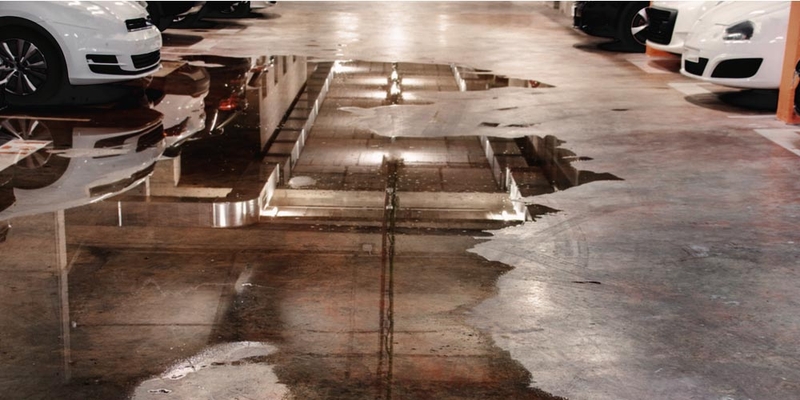
How to reduce risk of your car getting caught in an underground parking garage flood and details on your insurance coverage options.
Consider short-term home insurance additional options before you rent out your home to FIFA World Cup 2026 soccer fans.

Spring landscaping can affect your insurance. Minor grading changes can send water toward foundations, raising flood risk.

A backwater valve is a gate mechanism added to your wastewater outflow pipe that prevents city sewage from flowing back into your home.

As extreme weather intensifies, resilient Canadian homes sell for more: upgrades can add up to 5.6% to resale prices, yet many listings don’t mention them.

Find more great home insurance rates
Disclaimer
*More than 50% of Rates.ca users in Canada who obtained a home insurance quote from January to December 2025 saw savings ranging from $50 to $750, with an average savings of $367.52. The average savings amount represents the difference between the users’ average lowest quoted premium and the average of the second and third lowest quoted premiums generated by Rates.ca.