
Choose an Insurance Quote
Cheap Fort McMurray Home Insurance Quotes
Save $300 or more on home insurance with Rates.ca.*
Compare home insurance quotes with other top providers in Fort McMurray




Jump straight to:
- Is home insurance getting more expensive in Fort McMurray in 2026?
- Fort McMurray home insurance premium trends 2024 – 2026
- How Fort McMurray’s biggest property risks compare to the rest of Alberta
- Fort McMurray’s biggest property risks by postal code
- Choosing the right home insurance policy in Fort McMurray
- Types of home insurance in Fort McMurray
- Add-ons to home insurance coverage in Fort McMurray
- What is not covered under your Fort McMurray home insurance
- Factors that affect your Fort McMurray home insurance
- How to get the cheapest home insurance in Fort McMurray
- Frequently asked questions about home insurance in Fort McMurray

Content Manager
Is home insurance getting more expensive in Fort McMurray in 2026?
Yes, home insurance is getting more expensive in Fort McMurray – as part of a broader Alberta-wide trend. According to the Applied Rating Index, home insurance premiums across the province rose 11.9% year over year in Q2 2026, with Fort McMurray homeowners feeling the same pressure as the rest of Alberta.
Key numbers: Fort McMurray home insurance
- Fort McMurray homes face the highest risk in two categories: wildfire and system back-up (i.e., sewer back-up).
- Crime (theft) poses high risk to homes that have postal codes starting with T9K.
- Wildfire threat is high for homes across all neighbourhoods in Fort McMurray.
- Rebuild costs in Alberta increased 24.3% between January 2021 and January 2026.
As of September 2026
Fort McMurray home insurance premium trends 2024 – 2026
Home insurance premiums in Alberta are on the rise in 2026, a trend Fort McMurray homeowners are seeing reflected in their own renewal notices, and one that’s on track to continue in 2027. According to the Applied Rate Index, premiums in Alberta increased 11.9% year over year in Q2 2026. This is above the comparable increase in Q2 2025, which was 9.5%, but well below the increase seen in Q1 2026, which was 16.2%. The overall trend, however, upward, as the four quarter have all seen year-over-year increases above the 10% mark in Alberta.
Note: The percentages listed above are derived from comparing rates from one quarter to the same quarter in the prior year (e.g., Q2 2026 is compared to Q2 2025).
Source: The Applied Rate Index (Q2 2026)
What's behind Fort McMurray's home premium increases in 2026?
As shown by a recent study by Statistics Canada, some of the biggest culprits behind the rise in home insurance premiums in Fort McMurray and Alberta at large are more frequent bouts of extreme weather in the last six years, plus higher rebuilding costs, which were in part caused by the pandemic.
So far, 2024 remains the costliest year on record for extreme weather claims, with insured losses exceeding $9.4 billion, according to the Insurance Bureau of Canada (IBC).
Fort McMurray knows these risks better than most Canadian communities. The 2016 wildfire remains Canada's costliest natural disaster, with nearly $6 billion in insured damage as of January 2024, according to IBC. It forced the evacuation of the city's roughly 88,000 residents. Four years later, the spring 2020 flood caused over $228 million in insured damage, according to Catastrophe Indices and Quantification (CatIQ). With wildfire and flood risk both in the picture, insurers pay close attention to how and where homes in the region are built, and that can show up in the premiums Fort McMurray homeowners pay.
As for rebuilding costs, a recent report by Verisk shows that residential rebuild costs in Alberta increased 24.3% between January 2021 and January 2026, with a 12.8% increase over the past three years. Canada is also short on skilled trades labour in the residential construction sector, with job vacancies being projected to rise from 11% to 13% per year between 2026 and 2045.
Though the outlook isn't exactly optimistic, there are ways to mitigate these issues – mainly through premium comparison and weighing wildfire and flood risk when buying a new home.
How Fort McMurray’s biggest property risks compare to the rest of Alberta
Rates.ca’s proprietary data shows that wildfire and system back-up (i.e., sewer back-up) pose the biggest risk to Fort McMurray homes in 2026. On the scale of Very Low, Low, Medium, Very High and Extreme, the wildfire and system back-up categories both fall under High, which is above Alberta's median of Medium. Flood from exterior sources and wind/hail both fall under Low, with the latter being on par with the provincial median. Crime (theft) falls under Medium, which is also on par with the rest of Alberta.
Fort McMurray’s biggest property risks by postal code
Rates.ca’s proprietary data shows that wildfire and system back-up (i.e., sewer back-up) pose the biggest risk to homes across all of Fort McMurray in 2026. Both categories fall under High in terms of risk level across all postal codes in the city.
The good news is that no risk category falls under Extreme.
Crime (theft) is a mixed bag, with the T9K postal codes falling under High in this category and T9J under Low. T9H falls under Medium, which is on par with the rest of the province.
The other risk categories and postal codes do not exceed the median for Fort McMurray or Alberta at large.
How Rates.ca determines risk scores
Risk levels are ordered according to Forward Sortation Areas (FSAs) – the first three digits of a postal code and are based on proprietary data provided by a leading global insurance data, analytics, and technology provider.
To determine risks for individual cities and Alberta as a whole, we assigned a number to each risk score (e.g., Very Low became 1, Low became 2, etc.) and calculated a median.
Risk category breakdown:
- Wind/Hail: Included in a standard home policy.
- Crime (theft): Included in a standard home policy. However, certain valuable items often have set coverage limits (known as Special Limits). These items include jewellery, watches, luxury handbags or purses, furs and collectibles such as stamps, coins or sports cards. If you have such items, you might need to expand your coverage.
- Flood: System backup: Optional coverage that needs to be added separately.
- Flood: Exterior sources: Optional coverage that needs to be added separately.
- Wildfire: Included in a standard home policy as part of an overarching fire coverage.
Recent home insurance quotes in Fort McMurray

Recent home Insurance Quote from Fort mcmurray, AB
Detached 1,106 sq ft
October 17, 2026
Cheapest Quote
$ 248 / month
$ 2,981 / yearAverage Quote
$ 314 / month
$ 3,763 / yearSavings
$ 65 / month
$ 780 / year
21 %
Recent home Insurance Quote from Fort mcmurray, AB
Detached 1,528 sq ft
October 17, 2026
Cheapest Quote
$ 167 / month
$ 2,000 / yearAverage Quote
$ 221 / month
$ 2,647 / yearSavings
$ 54 / month
$ 648 / year
24 %
Recent home Insurance Quote from Fort mcmurray, AB
Detached 2,494 sq ft
October 17, 2026
Cheapest Quote
$ 497 / month
$ 5,967 / yearAverage Quote
$ 663 / month
$ 7,957 / yearSavings
$ 166 / month
$ 1,992 / year
25 %
Home insurance quotes are compared from Apollo Insurance, CAA, Economical Insurance, Pembridge, and SGI

How Rates.ca finds the best home insurance in Fort McMurray
Rates.ca works with home insurance companies and brokers in Fort McMurray to provide a broad selection of quotes from the areas top providers. We quickly collect your information and use it to generate the best offers from each partner. Our service is fast, easy and free to use.
By comparing Fort McMurray home insurance quotes from several insurance providers in a single place, you can instantly assess the market and find the best policy to protect your property.
Choosing the right home insurance policy in Fort McMurray
Fort McMurray in Northeastern Alberta is home to a relatively prosperous oil town. As a result, wages are high, and it can be a rather expensive place to live.
Homeowners in Fort McMurray will want to protect their homes, likely their most valuable asset, and their possessions. That is why you'll want to purchase home insurance for your property.
Types of home insurance in Fort McMurray
These are the most common types of home insurance coverage in Fort McMurray.
Homeowners can choose from one of three insurance package types. Insurance providers may label them differently, but they're generally described as outlined here:
- Basic: This is the least expensive package and offers the least coverage. It protects your home against perils named in the policy, such as fire and wind. If it isn't named in your policy, you don't have insurance protection against it.
- Broad from: A broad home insurance package protects the home against all perils and named peril coverage protection for the contents of your home. It is a standard policy.
- Comprehensive: This is the most inclusive and expensive coverage. It protects against all perils to the home and its contents. It is often referred to as an 'all perils' policy.
Property coverage
Here's what your insurance policy covers in terms of property damage:
- Property and building: As its name suggests, this type of home insurance policy protects both the structure(s) on your property and the property itself from various perils. Protected incidents include fire, theft, vandalism and water damage. There may be other structures on your property that are not included in this policy, so you should talk to your Fort McMurray home insurance provider to get the full coverage you need.
- Contents and personal property: Contents and personal property coverage protects your possessions, such as home furnishings, personal items, clothing and more, against theft and vandalism. More expensive or valuable items like jewelry or fine art may not be protected under a standard policy. Excluded items can be covered with additional coverage that you can buy extra.
- Additional living expenses (ALE): Insurable events such as wildfires or evacuations relate to climate change that can displace you from your home. This protection covers your temporary housing costs. For example, if damage to your home forces you to spend a week at a hotel, additional living expenses protection will cover the room and food costs up to a certain amount. Talk to your provider about any caps on protection.
Liability coverage
Your home's insurance also offers liability coverage. Here's what's included:
- Personal liability: This coverage protects your liability in the event of injuries or property damage sustained by a third party while they are on your property. The default on most home insurance plans for personal liability is $100,000, but some homeowners should have coverage for as much as $1,000,000. Depending on your policy, this can go as high as $5,000,000.
- Voluntary medical payments: Sometimes, accidents that you're not liable for can happen. This coverage will cover medical expenses for up to one year from the accident date.
- Voluntary property damage: This coverage is for unintentional direct loss or damage you cause to someone's property. It also covers accidental loss or damage to someone else's property by a minor (12 years or under) in your care.
Commonly covered perils
Commonly covered by most standard home insurance policies include:
- Fire
- Lightning
- Water damage
- Wind
- Aircraft or vehicle impact
- Explosion
- Smoke (caused by cooking devices or heaters, but not fireplaces)
- Theft and vandalism (such as broken windows)
- Falling objects (except if caused by an earthquake, landslide or snowslide)
Add-ons to home insurance coverage in Fort McMurray
Fort McMurray home insurance can only go so far. You may find you have needs beyond what standard policies offer. These add-ons can be purchased to protect your home and its contents further.
These are some of the most common home insurance add-ons, also known as riders, that you can add to your home insurance policy:
- Overland water: Not all insurers offer it, but overland water covers property damage from overflowing water, nearby rivers, streams, lakes and thawing snow.
- Sewer back-up: Protects your home when a main sewer backs up and causes damage.
- Earthquake: Covers losses or damage caused by an earthquake. This add-on is more useful for people living on the West Coast, where earthquakes are more common.
- Mass evacuation: If an event like a flood or wildfire triggers a government-issued evacuation order, this add-on pays for some of the expenses you incur while away from home. Each provider may cap compensation at different levels. It's best to talk to your provider to see how much protection you will receive and for how long.
- Identity theft: Covers the cost of replacing important documents, such as your passport.
- Lock replacement: This add-on provides coverage if you need to replace the locks on your house.
What is not covered under your Fort McMurray home insurance
It can be tricky to get some perils covered. Sometimes, it's not even a possibility. Here's which ones could present difficulty.
- Flooding: Most flooding is not covered unless you get it as an add-on. Talk to your insurer about your needs and what types of water damage can be covered under your Fort McMurray homeowner's insurance.
- Earthquake or landslide: No earthquakes nor landslides are covered by regular insurance, including comprehensive coverage. You can, however, get this coverage as an add-on, so ask your insurer about it, especially if you live in an earthquake-prone area.
- Mold: Mold is usually preventable by the homeowner and does not occur on its own. For instance, if you realize that water or a leak has caused mold damage, you can take the necessary steps to resolve the issue early (or before it happens). Your Fort McMurray home insurance provider does not cover it because it is preventable.
- Pest infestation: Nobody wants or asks for pest infestations such as mice, termites or other creepy crawlies. But proper maintenance and upkeep can keep them at bay. So, any damage an infestation ends up causing is unlikely to be covered. Your best bet is to address the problem as soon as you notice it.
- Purposeful damage: If you purposely damage your property or its contents and file a claim, you will not be covered. It is fraudulent to do so.
- Intentional injuries to guests: Do you want to harm someone else intentionally? If you do, your liability coverage will not protect you. And no, there isn't an add-on for this, either. So, don't purposely hurt your guests.
- Rental: If you decide to rent out your property (or a piece of it) to someone else, consult your insurer, as you will need landlord insurance.
Factors that affect your Fort McMurray home insurance
Fort McMurray home insurance providers will look at many factors when determining your premium. Here’s what they are:
- Replacement cost: Insurers will look at costs such as how much it would take to rebuild your home, if necessary. In doing so, your Fort McMurray home insurance provider will consider your home’s square footage, construction quality, building materials and contents. This will all affect your premium. So, if your home is big, expensive to build and has lots of contents, it will cost more to insure.
- Location: In real estate, location matters. Your home’s neighbourhood comes with its own history and unique circumstances, all of which will affect your premium.
- Your personal history: If you have a claims history, it will also play a role in determining your premium. The more claims you’ve filed in the past, the higher the likelihood of you filing claims in the future, which leads to higher premiums. Why? Because your provider will consider you a greater risk for having filed claims. The nature of your claims also matters, as more expensive claims can raise your premium.
- Fire hydrant proximity: The closer you live to a fire hydrant and a fire station, the lower your premium will be. That’s because the faster firefighters can stop the blaze, the less damage it will receive, minimizing replacement costs. This is more of a concern for rural areas, where everything is far away.
- Piping: Older homes with older pipes – galvanized or made of lead – have a higher likelihood of leakage or cracking. If you are buying new or renovating, consider homes with newer pipes and systems that will prevent damage, headaches and the need for claims.
- Electrical wiring: If your home has aluminum or knob-and-tube wiring, it’s at risk of fire damage. Before insuring you, your provider may either request a guarantee that your home doesn’t have this type of wiring, inspect it for safety or ask you to remove it. Other things that can raise your premiums include having fuses instead of breakers and having less than a 100-amp service. In both cases, your home is more likely to catch fire.
- Roof age: Older roofs can do a lot of damage to a home if not maintained. It’s best to revisit your roof every 20 years to prevent roof-related damage and avoid higher premiums. Some insurers may cover only 25% of the replacement cost for roofs that are old enough to need repairs or replacement.
- Swimming pool: Swimming pools create a higher risk of a liability lawsuit due to a higher chance of injury to your guests. This can increase your premium.
- Alarms: Fire and security alarms can lower your premium. If an outside service monitors them, your premium will be even lower.
How to get the cheapest home insurance in Fort McMurray
Getting cheap home insurance in Fort McMurray is quick, easy, and free. Here are some steps you can take to stretch your insurance dollars:
- Comparison shop: Sites like Rates.ca give you fast and easy access to the cheapest Fort McMurray home insurance rates from the city’s top providers. Provide us with some information on the home you want to insure and a few other details, and in minutes, you’ll have a list of cheap insurance rate quotes to compare.
- Bundling: Using multiple insurance products from one provider can also save you money. By bundling home, life and auto insurance, for example, you will qualify for discounts from your provider. Administrative cost savings and rewards for your loyalty can be passed on as discounts.
- Installing a security system: Making your home safe and less at risk of damage or theft can save you money on your Fort McMurray home insurance rates. Your home insurance provider assesses your rates based on risk. Reduced risk means fewer claims and, therefore, lower rates.
- Increasing your deductible: Deductibles are another risk factor your Fort McMurray home insurance provider looks at when calculating your premiums. The higher your deductible and the more you are willing to pay out-of-pocket, the less risk it is for your provider. A lower deductible may mean a higher rate. Consider your budget and talk to your provider about options.
- Upgrades: Renovating your home and upgrading with new and fire-resistant materials will take out potential risks of flooding or fires, for example. Home insurance providers look at that reduced risk and provide cheaper rates as a reward for your efforts.
- Ask for discounts: Many home insurance providers will offer discounts to clients who are members of school alumni associations, unions or other organizations. Seniors can also find discounts. All you have to do is ask.
- Improve your credit score: Because credit can be seen as a risk factor, pay your bills on time and keep your credit scores in good standing. The better your score, the lower your risk factor, and the lower your Fort McMurray home insurance rates will be.
How to get Fort McMurray home insurance with Rates.ca
Ready to compare quotes and save?
Tell us about your home
Answer a few basic questions about your home. It won't take long!
Compare your quotes
See quotes from top insurance companies side by side.
Choose the right coverage
Find the right protection for your home and everything in it.
Secure your rate
Connect with the provider and secure your rate.
What people say about our quotes

Based on 7,153 reviews

Rates Review
Very informative and explained all details very well.
Catherine
⭐⭐⭐⭐⭐ 5-Star Customer Service Review
⭐⭐⭐⭐⭐ 5-Star Customer Service Review I had an excellent experience dealing with Markian Hawrylyshyn regarding my insurance needs. Markian was extremely professional, knowledgeable, patient, and genuinely helpful throughout the entire process. He took the time to answer all my questions, explain everything clearly, and make sure I felt comfortable with my options. His outstanding customer service, friendly attitude, and attention to detail truly stood out. It's rare to come across someone who goes above and beyond to make customers feel valued and appreciated. I highly recommend Markian Hawrylyshyn to anyone looking for exceptional customer service when dealing with insurance. Thank you, Markian, for making the experience so pleasant and stress-free. Keep up the amazing work!
Tosha Ford
$100 dollars cheaper
They lowered my insurance by nearly $100 a month. Somebody should give Tammy a raise!
James Traynor
The prices were too high but the…
The prices were too high but the service was great. The person on the call was patient and understanble.
Ezatullah Farazi
Very helpful
Very helpful, speedy and super easy. I think I will continue to use the service. Also got me a better rate than my local broker
CURTIS R.
Prompt answers to my questions
Prompt answers to my questions! Very patient and helpful
Ashmin Ghanny
Good communication
Good communication. Precise answers.
Gjergji Culli
Communications was excellent and all…
Communications was excellent and all options were discussed.
David
Listening to us. Thanks again
Listening to us.
Harold
Frequently asked questions about home insurance in Fort McMurray
Have more questions about home insurance in Fort Mac? We'll answer some of them here.

Do high Fort McMurray real estate prices affect the cost of home insurance?
No. Fort McMurray home insurance providers do not consider real estate prices in the area. Insurance companies are more concerned with the risks they face and the home's replacement value.
Which company offers the cheapest Fort McMurray home insurance?
It varies by person. No company offers a flat-rate because everyone has different insurance needs.
That's why it's best to comparison shop on sites like Rates.ca, where you can receive estimates for the cheapest rates from the top providers in Fort McMurray. It takes a few minutes and is free. How easy is that?
How much insurance coverage do I need for my home in Fort McMurray?
The amount of home insurance coverage you need in Fort McMurray may differ from your neighbour's since it depends on your circumstances and requirements. Suppose you live in a neighbourhood exposed to certain hazards like being situated in a flood plain. In that case, you may need more insurance than someone living in a less risky area with a state-of-the-art security system.
How do Fort McMurray home insurance claims work?
The premiums you and other homeowners pay go towards funding claim settlements. Insurers will pool all the premiums together and use them to pay for the damages and costs associated with your claim. However, you'll have to pay a deductible before the insurer covers those costs. This preset amount comes out of your pocket. Most home insurance deductibles range from $500 to $2,000 and are decided when you sign off on your contract with the insurance company. So, this charge shouldn't come as a surprise when making a claim.
Here's how to start a claim:
- Call your insurer immediately (or as soon as possible) after the incident. Most providers have a 24-hour claims service.
- Deliver as much information to your insurer as you can and be detailed. Photos help, so be sure to produce some.
- If your home is uninhabitable, talk to your provider about the expenses you may be eligible for and how long the eligibility will last. For this to work, keep all your receipts and invoices generated during your time away.
- A claims adjuster will contact you to gather all the facts regarding your loss and let you know the next steps.
- Your provider will ask you to complete a proof of loss form. Be as truthful as possible; otherwise, your claim may become void.
When you buy insurance, make sure you know what it covers. This will reduce the number of curveballs thrown your way when a real-life setback happens. Your settlement amount is contingent on your policy's limits.
Is fire covered under my Fort McMurray home insurance policy?
Fire is a peril covered under standard home insurance policies, even if you live in a city at high risk for wildfire damage like Fort McMurray. However, you might not be able to secure fire insurance during an active wildfire. Make sure you buy home insurance as far in advance as possible since it takes 30 days for the policy to take effect. If your insurance application is on pause due to an active fire, it's crucial to sign it right away when the next opportunity comes up. Sometimes, after one fire ends, another one crops up soon after.
How can I get vacant home insurance in Fort McMurray?
Two potential routes to purchase vacant home insurance in Fort McMurray include:
- Buying a new policy
- Adding an endorsement (optional coverage) to an existing policy, thereby increasing your current coverage
A new policy might be your best route if you know your property will be vacant for an extended period – say a year or more. However, an endorsement added to an existing policy may be enough for your vacant property if the property is empty for a short time, say between renters or temporary vacancies.
If you will be away from home for 30 days and change, your home is considered unoccupied, not vacant. Give your insurance provider or broker a heads-up before you leave; they may be able to extend your coverage to match your timetable. In return, they may also request that someone you trust checks in on the property while you're away.

Taras Trofimov, Content Manager
Taras has over nine years of content marketing experience across multiple industries in B2B and B2C spaces. He has produced thought leadership content for organizations like Constellation Software, Facebook and Yellow Pages as well as outlets like Huffington Post and MSN Canada.
He graduated from York University with a Bachelor of Arts degree and studied Technical Communication at Seneca College.
Latest home insurance articles:
Shopping for cheaper home insurance isn't tied to a calendar but aligns best with your changing needs and a market that's constantly shifting.

When subletting your rental property remember to inform your insurer. Your subtenant should carry their own insurance policy.

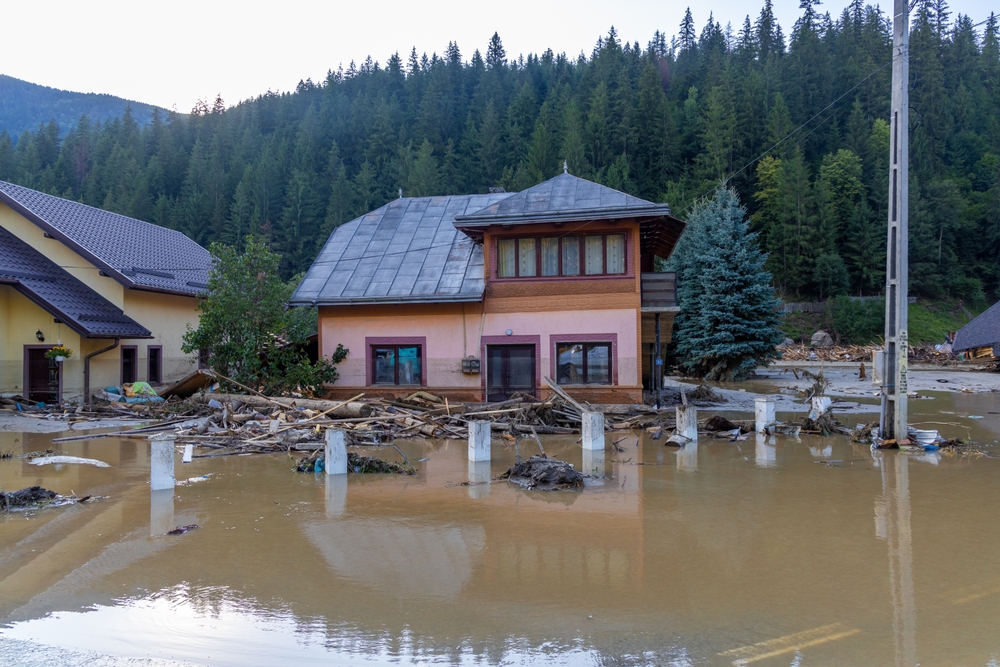
A heavily discounted home with prior flooding seems attractive, but unexpected repair costs can erase savings.
As the real estate market fluctuates, doing minor, strategic renovations may help improve your home equity and offset falling home values.

A comprehensive home insurance policy can help you cover significant repair costs from a water-damaged basement.

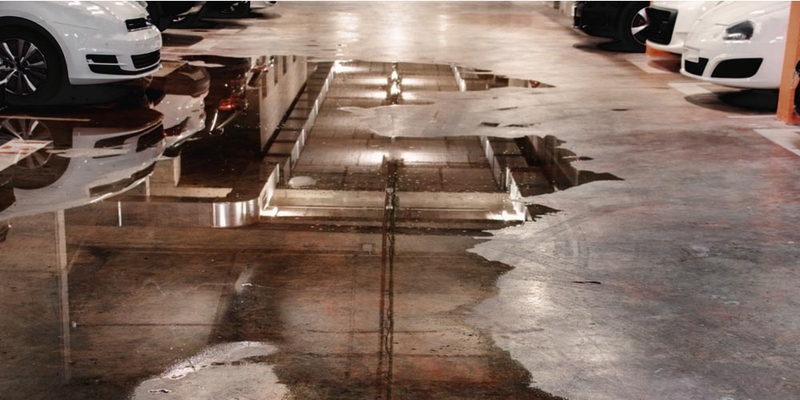
How to reduce risk of your car getting caught in an underground parking garage flood and details on your insurance coverage options.
Find more great home insurance rates
Disclaimer
*More than 50% of Rates.ca users in Canada who obtained a home insurance quote from January to December 2025 saw savings ranging from $50 to $750, with an average savings of $367.52. The average savings amount represents the difference between the users’ average lowest quoted premium and the average of the second and third lowest quoted premiums generated by Rates.ca.