
Choose an Insurance Quote
The Best Home Insurance Quotes in Kingston
Save $300 or more on home insurance with Rates.ca.*
Compare home insurance quotes from providers you trust





Jump straight to...
- Average home insurance cost in Kingston 2026
- What risks do homeowners face in Kingston?
- 2026 home insurance cost in Kingston vs. Ontario’s biggest cities
- Why are Kingston homeowners paying more than other major Ontario cities?
- 2026 average home insurance prices in Kingston by area/forward sortation area (FSA)
- Choosing the right home insurance policy in Kingston
- Types of home insurance in Kingston
- Standard home insurance coverage in Kingston
- Add-ons to home insurance coverage in Kingston
- What is not covered under your Kingston home insurance?
- Factors that affect your Kingston home insurance premium
- How to get the cheapest home insurance in Kingston
- Frequently asked questions about home insurance in Kingston
How much does home insurance cost in Kingston in 2026?
The estimated average home insurance premium in Kingston is $2,040 per year as of Q2 2026, which is around $170 per month, according to the latest Rates.ca Home Insuramap data. By contrast, Ontario's estimated average premium is $2,235 per year.
Key numbers: Kingston home insurance — 2026
- In Ontario, Kingston ranks in the 25th spot out of 176 for annual home insurance premiums – from cheapest to most expensive.
- Homeowners with K7M postal codes pay the lowest premiums in Kingston, averaging at $1,990 per year, or around $166 per month.
- Homeowners with K7K postal codes pay the highest premiums in Kingston, averaging at $2,129 per year, or around $177 per month.
How Rates.ca finds the average home insurance premium
Rates.ca’s Home Insuramap is an interactive online map, which allows Ontario residents to see how their home, condo or tenant insurance rates compare to other parts of their city or province.
The estimated premiums for each Forward Sortation Area (FSA) are based on the average of the lowest three quoted premiums, with maximum available coverage for water protection. The premiums were acquired using a profile of a 40-year-old homeowner, who has been insured for at least 10 years and lives in a 2,500 sq ft detached house, built 40 years ago, with brick veneer, wood frame construction, natural gas heat, a 10-year-old roof and replacement cost of $500,000.
The city averages were calculated using the FSA premiums from the Insuramap data for each city. However, instead of equal weighting for each FSA within the city, we looked at the number of actual quotes from Rates.ca’s websites in Q4 2025 and used those as weights.
The Ontario average was taken using the average premium for each city weighted by the number of quotes in each city from Rates.ca’s websites in Q4 2025.
Why your profile matters: Even though your location is a major factor in determining your rate, it’s not the only factor. Other factors, such as the age of your roof, the materials used in your home’s construction, the number of claims you’ve filed and so on can all have a major impact on your premium.
What risks do homeowners face in Kingston?
Severe weather and flooding are some of the biggest risks homeowners in Kingston are facing in 2026.
The summer floods of 2024 cost Ontario $1 billion in insured losses, according to the Insurance Bureau of Canada (IBC). Most of these floods occurred in the GTA and parts of southern Ontario. Kingston in particular is vulnerable to flooding due to numerous lakes and rivers throughout the area, as you can on this Kingston floodplain map.
The grander trend across the province is that home insurance premiums are rising, rapidly, and severe weather is one of the biggest culprits. According to Applied Rating Index, personal property lines in Ontario saw a 5.7% increase in premium rate change year over year in Q1 2025. Throughout 2024, the rate change fluctuated between 13% and 9%. For context, this percentage used to hover around 1% in the early 2020s.
‘Flooding plays a significant role in influencing premiums, especially in areas with higher water-related risks,’ says Rates.ca insurance expert Daniel Ivans. ‘Some data we're working on shows that in regions prone to flooding, water coverage costs make up 10% of the premiums.’
Kingston vs. Ontario’s largest cities: average home insurance rates (2026)
| Rank | City | Average premium | Difference vs. Kingston |
|---|---|---|---|
| 1 | Kingston | $2,040 ($170/month) | 0% no change |
| 2 | Hamilton | $2,161 ($180/month) | 5.93% higher |
| 3 | Ottawa | $2,163 ($180/month) | 6.03% higher |
| 4 | St. Catharines | $2,164 ($180/month) | 6.08% higher |
| 5 | London | $2,287 ($191/month) | 12.11% higher |
| 6 | Toronto | $2,296 ($191/month) | 12.55% higher |
Estimated 2026 average premium in Ontario: $2,235
(Updated: June 2026)
Largest cities were chosen based on their population size, sourced from Canada Statistics, 2025 Population Estimates.
Why are Kingston homeowners paying more than other major Ontario cities?
Overall, Kingston enjoys relatively low home insurance premiums. However, some places, such as those in Durham Region, including Oshawa, Whitby and Pickering, boast even lower premiums. If you're wondering why that is, we can answer that for you.
In addition to flooding, to which Kingston is quite vulnerable, especially compared to Durham Region, several other factors are likely playing a role here:
- Building age: Kingston is an old city (it's been around as a city since 1841). As a result, it's full of old buildings with outdated systems (e.g., electrical, plumbing, etc.). Those buildings tend to have higher replacement costs, which often leads to higher premiums. They are also more likely to have issues. Aging pipes, for example, have a higher chance of bursting and flooding your home. This means more claims filed.
- Crime rates: According to Canada’s Crime Severity Index (CSI) report, Kingston sits roughly in the middle when it comes to CSI ratings (for both violent and non-violent crimes), beating out places like Durham Region, Peel Region and Hamilton, but not Toronto, Thunder Bay or Timmins. More crimes, especially break-ins, theft and vandalism, usually result in higher home insurance premiums. That could be one of the reasons Durham Region is doing better in terms of premiums than Kingston.
The takeaway: In combination with flood-related damage, these factors can all add up to higher premiums. However, it’s worth noting that your FSA could play an even bigger role in determining your premium than the actual city. More on that below.
Kingston home insurance: average rates by postal code (2026)
| Postal Code | Average premium |
|---|---|
| K7M | $1,990 ($166/month) |
| K7P | $1,997 ($166/month) |
| K7K | $2,129 ($177/month) |
Estimated 2026 average premium in Kingston: $2,040
(Updated: June 2026)
Home Insuramap
The estimated average home insurance premium in Ontario is $2,235 per year as of Q2 2026, which is around $185 per month, according to the latest Rates.ca Home Insuramap data.
What’s a forward sortation area (FSA)? It’s the first three characters of your postal code, designating a specific geographical area for mail delivery. Insurers use FSAs to group and assess area-specific risks. For instance, if your FSA is associated with too many fire-related claims, then your FSA would be flagged as risky in that category (your premium could also go up as a result).
Recent home insurance quotes in Kingston

Recent home Insurance Quote from Kingston, ON
Semi-detached 1,113 sq ft
October 13, 2026
Cheapest Quote
$ 119 / month
$ 1,429 / yearAverage Quote
$ 201 / month
$ 2,413 / yearSavings
$ 82 / month
$ 984 / year
41 %
Recent home Insurance Quote from Kingston, ON
Detached 1,113 sq ft
October 13, 2026
Cheapest Quote
$ 76 / month
$ 916 / yearAverage Quote
$ 97 / month
$ 1,167 / yearSavings
$ 21 / month
$ 252 / year
22 %
Recent home Insurance Quote from Kingston, ON
Detached 2,440 sq ft
October 11, 2026
Cheapest Quote
$ 190 / month
$ 2,283 / yearAverage Quote
$ 393 / month
$ 4,712 / yearSavings
$ 202 / month
$ 2,424 / year
52 %
Home insurance quotes are compared from Apollo Insurance, CAA, Economical Insurance, Pembridge, and SGI
Let's get started

Compare home insurance quotes today
Home insurance in Canada can be expensive. Whether you live in a detached house, rowhouse or townhouse, you can find a home insurance policy to fit your budget in just a few minutes.
Simply enter a few details about your home and let Rates.ca do the rest. Easy-peasy!
Choosing the right home insurance policy in Kingston
Owning a home in Kingston, or anywhere in Ontario, doesn’t legally require home insurance. However, most mortgage lenders will mandate coverage before finalizing your loan. For this reason, many homeowners still opt for a policy. Even if your home is fully paid off, it’s a wise decision to safeguard what is likely one of your most valuable investments.
So, how do you choose the right insurance policy? And what coverage options are available for your home? Below, we break it all down to help you better understand the features of home insurance policies:
Types of home insurance in Kingston
Home insurance generally falls into three main categories, each of which can often be customized to meet your specific needs:
- Named perils: Also called a 'basic' policy, this type of coverage protects your home against specific risks outlined in the policy, such as fire or wind damage. It’s the most budget-friendly option but provides limited protection. While it may not be ideal for an occupied home, it can work well for vacant properties.
- Broad form: This policy covers your home against all risks, with more limited coverage for certain belongings. It’s commonly referred to as a ‘standard’ insurance policy.
- Comprehensive: This offers the most extensive protection, covering both your home and its contents against all risks. Often called an ‘all perils’ policy, it’s typically recommended by insurers. However, keep in mind that certain add-ons or endorsements may need to be purchased separately.
Who is covered
- Spouse and relatives: Your policy should cover your spouse and anyone related to either them or you, provided they reside in your home.
- Dependents: Home insurance should protect any dependents under the age of 21 who are students. They may be living in your primary home or temporarily away from it (e.g., college dormitory).
What is covered
- Property and dwelling: This includes protection for the structure of your home and other buildings on your property, such as a garage or shed, against risks like fire, theft, or water damage. Some policies may require additional coverage for secondary buildings, so it’s worth confirming with your provider.
- Contents and personal belongings: This covers your personal items, including furniture, clothing, and electronics, from risks like theft or vandalism. High-value items like jewelry or artwork may require extra coverage, as they are typically excluded from standard policies unless specifically added.
Standard home insurance coverage in Kingston
When it comes to home insurance in Kingston, whether you choose a named perils, broad form, or comprehensive policy, there are several key coverages you can expect to find.
Additional Living Expenses (ALE) coverage
If an insured event or evacuation forces you to temporarily leave your home in Kingston, Additional Living Expenses (ALE) coverage can help cover the costs of temporary accommodations. For example, if your home is damaged and you need to stay in a hotel, ALE will cover expenses such as lodging and meals, up to a specific limit.
Here’s what ALE covers:
- Out-of-pocket expenses: If forced to temporarily move out, your insurance could cover expenses like accommodation, food, moving, laundry, transit, pet boarding and storage.
- Fair rental value: If you’re renting out a part of your home (such as a room or a basement) and your tenant is forced to move out due to a covered incident, your insurance could cover the loss of your rental income.
- Prohibited access: If your home becomes inaccessible due to an unexpected incident, such as a government-mandated evacuation order or a threat to your life, your insurance could cover you.
Liability coverage
- Personal liability: Protects you if someone is injured or their property is damaged on your property. Policies typically start at $100,000 in coverage, but it’s recommended to have at least $1,000,000, with some policies offering up to $5,000,000.
- Voluntary medical payments: Covers medical expenses if someone is accidentally injured on your property or if you unintentionally injure someone. Coverage in Ontario usually ranges from $1,000 to $10,000, with no deductible.
- Voluntary property damage: Provides coverage for accidental damage you or a minor in your care cause to someone else’s property. Coverage limits often range from $500 to $6,000.
Commonly covered perils
- Fire: Covers the cost of repairing, rebuilding, or replacing your home and belongings, regardless of the fire’s origin.
- Smoke: Covers damage caused by smoke from malfunctioning appliances, excluding fireplaces.
- Lightning or electrical current: Covers damage to appliances, electronics, and wiring caused by lightning or power surges.
- Explosion: Covers damage caused by explosions.
- Riot: Provides coverage for property damage resulting from riots in your area.
- Theft and vandalism: Protects against stolen belongings or damage caused by theft or vandalism.
- Transportation: Covers personal belongings temporarily away from home, such as items in storage or under repair.
- Water damage: Covers damage caused by indoor plumbing, heating, or cooling systems. Note that sewer backup and overland flooding are often excluded unless added to your policy.
- Hail and wind: Covers damage from hail, strong winds, flying debris, and falling trees or branches.
- Aircraft or vehicle impact: Covers damage caused by vehicles or aircraft hitting your property.
- Window breakage: Covers broken windows in occupied homes. Additional vacant home insurance may be required for homes left vacant for over a month.
- Falling objects: Covers damage from falling objects, such as space debris, though landslides or snow slides may be excluded. Confirm policy details with your insurer.
Add-ons to home insurance coverage in Kingston
Beyond the standard components of a Kingston home insurance policy, additional coverages are available to provide extra protection for your home and belongings.
Below are some of the most common home insurance add-ons, also known as riders, that you can include in your policy:
- Overland water: Covers damage caused by water overflow from nearby rivers, lakes, or melting snow—important for areas in Kingston with natural water features.
- Sewer back-up: Protects your home from damage due to backed-up sewers during heavy rainfall or spring thaw.
- Earthquake: Covers damage caused by earthquakes. While rare in Kingston, this add-on offers peace of mind.
- Mass evacuation: Covers expenses if a government-ordered evacuation forces you to leave your home due to events like wildfires or flooding.
- Identity theft: Covers costs to replace documents, like passports, in case of identity theft.
- Lock replacement: Covers the cost of replacing your home’s locks.
- Personal valuables: Increases coverage for high-value items like jewelry, collectibles, or fine art.
- Home sharing: Adds liability and property coverage if you rent out your home.
- Personal umbrella: Provides extra liability coverage beyond standard policy limits, useful in cases of costly lawsuits.
What is not covered under your Kingston home insurance
While home insurance in Kingston protects against many risks, some exclusions apply. Certain risks can be covered with add-ons, while others are uninsurable. Here are key exclusions:
- Absence from the home: Damage occurring while the home is vacant for a long time is usually not covered.
- Alterations: Damage caused during renovations is only covered if approved by your insurer in advance. Routine fixes like painting are usually excluded.
- Bylaw enforcement: Costs related to adhering to local bylaws are generally not covered.
- Damage from renters: Damage caused by renters isn’t covered unless you have landlord-specific insurance.
- Mold: Mold is considered preventable and isn’t covered by insurance. Homeowners are responsible for addressing water issues that could lead to mold.
- Pest infestations: Damage caused by pests, such as mice or termites, isn’t covered. Regular maintenance is the homeowner's responsibility.
- Volatile substances: Damage caused by storing over one gallon of flammable materials like gasoline may not be covered.
- Purposeful damage: Intentional damage to your property isn’t covered and may be considered fraud.
- Intentional injuries to guests: Liability coverage excludes injuries you intentionally cause to others.
- Existing damage: Damage that occurred before the policy started isn’t covered.
Factors that affect your Kingston home insurance premium
There are several important factors insurers always consider when determining your specific premium. We list some of the most common ones here.

Flood risk
Insurance rates in Kingston are higher for homes located in areas known to have floods or are identified as flood plains. If you live close to a waterway, you can also expect to pay more for coverage. Even if that river or lake has not overflowed recently, record claim amounts for homes damaged by severe weather have made insurance providers increasingly cautious.
To be fully protected against flood risk, you may need to add different types of flood protection to your home insurance policy. While some insurance providers combine flood coverage into a water protection policy, others distinguish between overland flood protection and sewer back-up protection. Make sure you clearly understand what flood coverage has been added to your policy.
Replacement cost
How much would your home cost to rebuild if it were completely destroyed? Insurers take into account material costs, the square footage of the home, the number of floors and the home’s structure. The higher the cost, the higher the premium.
Property location
Some perils affect certain areas more than others, including crime, severe weather, floods and earthquakes. The more at risk the area is, the more expensive the premiums will be. Fortunately, Kingston is a relatively safe place. Yes, like much of Canada, it’s affected by severe winter weather, but it tends to be milder here than in the rest of Ontario. The risks of floods and earthquakes are low as well. This leaves only theft and vandalism, which do happen in Kingston, but in lower numbers, comparable to what you'd find in neighbouring cities such as Whitby and Oshawa. They are nowhere near as high as in places, like Toronto or even Hamilton.
Proximity to fire halls and hydrants
The farther your home is from a fire hall or hydrant, the more likely it is to burn down completely, should it catch fire. This issue mainly afflicts homes in rural areas, which are sparsely populated. Kingston is a relatively densely populated place, so this issue should be non-existent here.
Property age
Older homes are more likely to be at risk of plumbing and heating faults, which can lead to water damage or fire. Outdated electric wiring may also be putting your property at risk. Houses built in the 1950s and earlier usually use a 60-amp service, which is more likely to cause a fire than the wiring used in newer homes (100 amps is the norm these days). This increased level of risk may cause your premiums to go up.
Basement
Because basements are especially prone to water damage of both internal or external sources, owning a house with a basement means you’ll likely pay more for home insurance.
Heating system
A heating source such as a wood-burning stove is considered high-risk and can result in a higher home insurance premium. If instead, your home is heated by hot-water radiators or forced air heating, which insurance providers consider lower risk, you’re likely to pay less.
Roof age
Roofs that have not been renovated in more than 20 years tend to have issues like poor insulation and leaks, both of which can cause damage to the rest of your home over time. As a result, insurers may cover only 25% of the roof’s replacement cost if something happens to it – on top of charging more expensive premiums. So, make sure your roof is in good shape.
Renovations
When you renovate your home to improve its overall value, your home insurance premium is likely to increase. This is because the policy is designed to cover the replacement cost of your home, so if you were to add more to it, then, logically speaking, your premium should go up. Here are some additions or upgrades that could increase your premium:
- Swimming pool
- Deck
- Kitchen countertops, appliances and flooring
On the other hand, if renovations increase the safety of your home, your premium could go down. Here are some additions that could lower your premium:
- New electrical wiring or plumbing
- New roof
- Finishing the basement
Pets
If you have pets, you’ll need to disclose it to your insurance company. Some pets are considered a liability risk. Certain dog breeds, such as rottweilers, may even cause some insurance providers to decline your application for coverage.
Smoking
Home insurance providers may offer a discount to homeowners who don’t smoke because they deem the home less likely to be damaged by fire from an unattended cigarette.
Security system or alarms
You can reduce your home insurance premium by installing a security system or alarms to monitor your home for potential fires, burglaries and water leaks. Its presence will reassure your insurance provider that your home has adequate protection, which, in turn, could persuade them to offer a lower rate.
Claims history
One of the biggest culprits behind higher premiums is the person’s claim history. The more claims you make – regardless of the problem – the more expensive your premiums will be. Home insurance is meant to cover major events only, such as fires, floods and earthquakes. A leaky pipe that causes minor damage to your home, for instance, may not be significant enough to require insurance. So, weigh your decisions carefully.
Credit score
In some provinces, insurance providers are allowed to use your credit score when offering you a quote. Your consent is required, and, by law, the insurer is only allowed to use the information to offer a lower premium. In other words, if you have a poor credit score, they’re not allowed to punish you with a higher premium.
How to get the cheapest home insurance in Kingston
Securing affordable home insurance in Kingston doesn’t have to be a daunting task. With a few strategic steps, you can cut costs without compromising coverage. Here are some practical tips to help you lower your premiums while ensuring peace of mind for your home:
- Increase your deductible: A deductible is the amount you pay upfront when making a claim on your insurance. By choosing a higher deductible, you take on more financial responsibility in the event of a claim, which can result in lower premiums. If you’re confident in managing minor repairs or damages out-of-pocket, this is a fantastic way to save.
- Install alarms: If you live in a high-crime area with lots of break-ins and vandalism, consider installing a burglar alarm system, which will reduce the risk of both, lowering your premiums. Having good fire detectors would do the same, especially if your home is far away from any fire stations or hydrants, as mentioned above.
- Upgrade your electrical and plumbing systems: If your home is on the older side, then it may have outdated plumbing and electrical systems, which increase the risks of flooding and fire, respectively. Consider upgrading them if you have the money, as doing so will not only lower your premiums but improve your safety.
- Protect your home from severe weather and floods: Adding sump pumps, reinforcing your basement walls as well as renovating your roof can reduce the risk of weather-related damage, especially water damage. This will lower your premiums and make your home more reliable.
- Ask for discounts: Insurance companies may offer a variety of discounts that aren’t always widely advertised. From savings for being a first-time buyer to discounts for affiliation with certain organizations, it’s worth asking what’s available. Ensure you inquire about all possible reductions when discussing your policy with your provider.
- Bundle up: Combining your home insurance with other types of policies, such as auto insurance, is a great way to save. Kingston insurers often incentivize customers to bring multiple policies under one roof with loyalty discounts. Consolidating these policies isn’t just cost-effective; it’s also more convenient.
- Comparison shop: Always compare prices and never settle on the first deal you receive. Check out Rates.ca to compare quotes from multiple home insurance providers in your area and secure the cheap premium you deserve. It’s quick, and it’s free.
Let's get started
How to get your home insurance quotes on Rates.ca
Ready to compare quotes and save?
Tell us about your home
Answer a few basic questions about your home. It won't take long!
Compare your quotes
See quotes from top insurance companies side by side.
Choose the right coverage
Find the right protection for your home and everything in it.
Secure your rate
Connect with the provider and secure your rate.
What people say about our quotes

Based on 7,104 reviews

I dealt with Rashad from your Welland…
I dealt with Rashad from your Welland office. He was very knowledgeable about the service and guided me through understanding all the way. Easy to talk with and an all around pleasant experience.
Brian McCombs
2 hours ago
Absolutely amazing service
Absolutely amazing service. Great prices. And good attitudes to deal with. Would highly recommend!
Cody
3 hours ago
Amazing customer service I couldn’t…
Amazing customer service I couldn’t have asked for better help
Crystal Gould
5 hours ago
Very fast process and great pricing
Very fast process and great pricing
George Mikheil
6 hours ago
Mike Jerich is a very honest and great agent
This is the first time that I have had an insurance agent tell me that I am over insured. Even before telling me that I was over insured he price was $2,000.00 less than I am currently paying.
Clark Calhoun
1 days, 3 hours ago
My questions and concerns were answered…
My questions and concerns were answered in a very simple and straightforward manner.
Ragini Medeiros
2 days, 2 hours ago
Quote was completed quickly and…
Quote was completed quickly and accurately, helped me switch from a more expensive policy
Keely Lausch
2 days, 3 hours ago
almost instant phone call back.
almost instant phone call back. very quick quotation
sutlej
2 days, 7 hours ago
Nothing to complain
Although I didn't get the insurance from them but the experience was great and the broker was helpful
Ranjith Nair
3 days ago
Frequently asked questions about Kingston home insurance
Got more questions about Kingston home insurance? We got you covered.

Can I get coverage for a rental property or vacation home in Kingston?
Yes, most insurance providers offer policies specifically designed for rental properties or secondary homes in Kingston. These policies often differ from standard home insurance and may include additional liability coverage to protect against risks associated with tenants or guests. If your vacation home is located near Lake Ontario or other waterfront areas, you may also want to consider adding water damage or flood protection.
Does home insurance in Kingston cover flooding or water damage?
Standard home insurance policies in Kingston typically do not include coverage for overland flooding or sewer backup. However, you can purchase additional endorsements to protect against these risks. Given Kingston’s proximity to Lake Ontario and its susceptibility to heavy rainfall, it’s highly recommended to explore water damage coverage options to safeguard your property.
What should I do if I need to file a home insurance claim in Kingston?
Filing a home insurance claim in Kingston can be straightforward if you follow these steps:
- Document the damage thoroughly: Take clear photos or videos of all affected areas, capturing the extent of the damage from multiple angles. Include timestamps if possible and keep damaged items as evidence until advised otherwise by your insurer.
- Contact your insurance provider immediately: Notify your insurer as soon as possible to start the claims process. Provide your policy number and a detailed account of the incident, including the date, time, and cause of the damage.
- Gather and submit supporting documents: Collect receipts for damaged items, repair estimates, and proof of ownership. If you need to make temporary repairs to prevent further damage, save receipts for any expenses, as these may be reimbursable.
- Work closely with the claims adjuster: An adjuster will assess the damage and determine the payout. Be available to answer their questions and provide additional information. If possible, accompany the adjuster during their inspection to ensure all damages are noted.
- Follow up and stay organized: Keep a record of all communications with your insurer, including dates, times, and the names of representatives. Regularly check on the status of your claim to ensure it’s progressing as expected.
By staying proactive and organized, you can help ensure a smoother claims process for your Kingston home.
Can I switch home insurance providers mid-policy in Kingston?
Yes, you can switch home insurance providers at any time in Kingston. However, it’s important to check for any cancellation fees or penalties that may apply. To avoid extra costs, consider aligning the switch with your policy renewal date. When switching providers, ensure you provide accurate details about your Kingston property, including its location, age, and any unique features, to get the most accurate quotes.
Latest home insurance articles:
Is there a best time to shop for home insurance?
Shopping for cheaper home insurance isn't tied to a calendar but aligns best with your changing needs and a market that's constantly shifting.

Do you need tenant insurance if you’re subletting?
When subletting your rental property remember to inform your insurer. Your subtenant should carry their own insurance policy.

Should you buy a flood-damaged home?
A heavily discounted home with prior flooding seems attractive, but unexpected repair costs can erase savings.
Can renovations offset falling home values in Canada?
As the real estate market fluctuates, doing minor, strategic renovations may help improve your home equity and offset falling home values.

What is the cost of repairing a flooded basement?
A comprehensive home insurance policy can help you cover significant repair costs from a water-damaged basement.

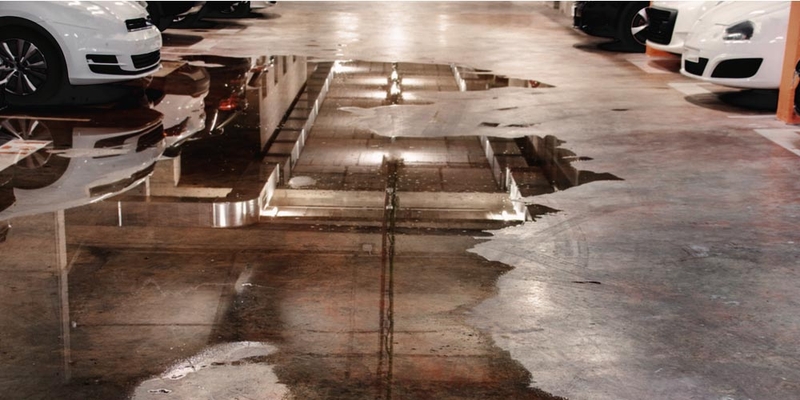
What happens if my car floods in underground parking?
How to reduce risk of your car getting caught in an underground parking garage flood and details on your insurance coverage options.
Find more great home insurance rates
Abbotsford Airdrie Ajax Aurora Barrie Brampton Brantford Burlington Burnaby Caledon Calgary Cambridge East Gwillimbury Edmonton Etobicoke Fort McMurray Georgina Guelph Halton Hills Hamilton Kamloops Kingston Kitchener London Markham Milton Niagara Falls Mississauga Muskoka Newmarket Oakville Oshawa Ottawa Peterborough Pickering Prince George Red Deer Richmond Richmond Hill Sarnia Scarborough St. Catharines Sudbury Surrey Thunder Bay Toronto Vancouver Vaughan Victoria Waterloo Windsor Winnipeg Whistler Whitby Whitchurch-Stouffville
Home and auto insurance bundling Additional living expenses (ALE) Airbnb Broad form Comprehensive Condo Cottage Contents Locksmith Named perils Overland water Personal liability Replacement cost Sewer back-up Tenant Umbrella Vacant home Voluntary medical payments Voluntary property damage Ontario home insurance calculator Alberta home insurance calculator
Disclaimer
*More than 50% of Rates.ca users in Ontario who obtained a home insurance quote from January to December 2025 saw savings ranging from $150 to $650, with an average savings of $366.43. The average savings amount represents the difference between the users’ average lowest quoted premium and the average of the second and third lowest quoted premiums generated by Rates.ca.