Choose an Insurance Quote
How backwater valves protect against sewer backup


KEY FINDINGS
- A backwater valve is an essential one-way device that protects your basement from flooding with city sewage backflow during heavy rainfall.
- Newer homes usually have these valves as standard features.
- Costs range from as low as $10 to $900 depending on the type of valve. Insurers recommend work done by licensed plumbers.
- If you need to rip out your basement flooring to access the pipe, installation costs are higher.
- Various Ontario municipalities and cities offer rebates for backwater valve additions to your home.
- Preventing backflow from sewage lines can reduce future insurance claims.
A backwater valve is a simple mechanism for a home, but it plays a big role in preventing city sewage from flooding your basement if the local system is overwhelmed.
Functioning as a one-way gate or flap, the valve is installed where your internal sewer pipe meets a municipal pipe, according to Kristen Gill, VP of general insurance with TD Insurance.
Normally, wastewater flows out of your home through the pipe and past the gate. However, if there is a large amount of rainfall, the municipal system could get overwhelmed and accumulated water flow back into your home from city sewage lines. Having a gate closes that backflow, thus protecting your home from potential flooding and sewer backup.
Different types of backwater valves
Types of backwater valves
Type | How it works | Cost |
|---|---|---|
Gate valves | Manually turn them to the off position. This can be very effective but requires you to be home when there is major rainfall. | Gate valves are an older type that are typically cheaper, around $300–600 for the unit. |
Inline check valves | They are always closed and not suitable for installation on main sewer lines, but are more used on individual fixtures to protect vulnerable spots. | These are very cheap, and can be purchased for as low as $10–30 and up to $100, depending on the material. |
Normally open backwater valve | The most common type, which allows venting of air and sewer gases, but when pressure builds from sewage backup, it will close, preventing damage to your basement. | Usually $500–900 |
How to install a backwater valve
Most homes these days have a backwater valve already installed, but older homes may not have one. Installations are usually made easy to access if you have one, says Gill, so check for an opening in your basement floor.
The TD Insurance expert recommends using a plumber rather than putting in the fixture yourself. It is necessary to disconnect your house from the municipal water supply to install the system, and Gill cautions that most people are not plumbing experts. Making sure there is a proper seal can also easily be done wrong.
The real cost lies in installing the device after your home is already built, according to Gill. “You’re going to have to remove the finishing materials, remove the flooring, do some excavation, find the pipe, install it, and then put everything back.”
These costs range between $2,000–7,000, depending on the level of finish of your basement and the depths of the sewage pipes. The good news is that many municipalities now require a backwater valve to be included in new home builds, says Gill.
Wastewater damage can be catastrophic
Gill recommends outfitting your home with a backwater valve because it can help prevent flooding during heavy rainfall. Cities like Toronto have experienced flooding from high levels of precipitation in recent years. Water damage from backflow into your home in the event of municipal sewage malfunction can be catastrophic.
“This is much more invasive than people might think because this is contaminated water with bacteria, waste, chemicals,” Gill said. “It’s toxic.”
That’s on top of the water damage to your belongings and basement floor, walls, appliances, and furniture that could occur. Gill said much of it would have to be replaced because it would be contaminated and can’t be cleaned.
The insurance expert recommends valve maintenance at least once a year. This involves a simple check to make sure there is no debris collected and flap still seals.
Learn more: How to protect your home from severe weather
Government rebates
Various Ontario municipalities and cities subsidize backwater valve installation costs, but check fine print on eligibility.
- Toronto: up to 80% of invoiced cost to a maximum of $1,600 per device, and a maximum of two devices. You must submit your application within two years of the installation, or within one year if completed before November 12, 2025.
- Halton: 50% of the cost up to $675
- Markham: up to $1,750 in eligible areas
- Windsor: up to $1,450
- Peel: up to $1,500
Does installing a backwater valve impact your home insurance?
Gill is of the view that adding a backwater valve most likely won’t lower your home insurance premiums. Insurers often don’t ask about it to keep onboarding quick and easy, since most homeowners are unsure of whether they have one or not.
If you have had many claims in the past, or if you live in a high-risk area, some insurers may require you to have one, Gill says. And having the system protects you from claims, which in turn maintains your “claims-free discount”.
“A backwater valve is a great way to invest a little bit now to protect yourself from a whole lot of inconvenience and pain in the future.”
Frequently asked questions
What is a backwater valve?
It is a mechanism that prevents backflow of city sewage from entering your home and basement if the sewer system is overwhelmed during heavy rainfall.
What damage can be caused without a backwater valve system?
Your basement could be contaminated with toxic sewer water that could result in the loss of furniture and other belongings, and require replacing walls and the floor.
How do I know if I have a backwater valve in my home?
Most recently constructed homes should have a backwater valve and many municipalities require one to be included in new construction. If you have an older home, look for an opening in your basement floor to make the backwater valve accessible for maintenance.
Can I install a backwater valve myself?
Preferably not. Insurers recommend installation by a professional plumber since it involves disconnecting your water line from the city and ensuring there is a proper seal.
What is the cost of a backwater valve?
The valve costs usually under $1,000, but installation can require tearing out the floor to get to the pipe, which could be $2,000–7,000.
Don't waste time calling around for home insurance
Use Rates.ca to shop around and compare multiple quotes at the same time.
Finding the best home insurance coverage has never been so easy!

Eric Stober
Eric Stober,
Eric Stober is a Toronto-based freelance writer with over 10 years experience at publications big and small, including Global News, Toronto Life, Yahoo Canada and Real Estate Magazine.
Featured Topics
Shopping for cheaper home insurance isn't tied to a calendar but aligns best with your changing needs and a market that's constantly shifting.

When subletting your rental property remember to inform your insurer. Your subtenant should carry their own insurance policy.

A heavily discounted home with prior flooding seems attractive, but unexpected repair costs can erase savings.
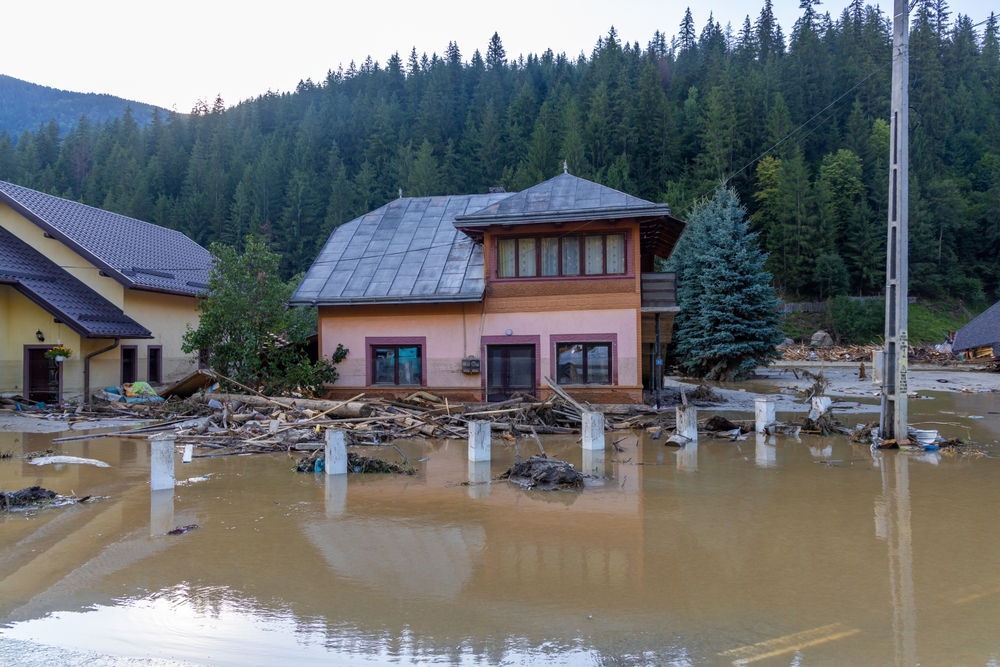
As the real estate market fluctuates, doing minor, strategic renovations may help improve your home equity and offset falling home values.

A comprehensive home insurance policy can help you cover significant repair costs from a water-damaged basement.
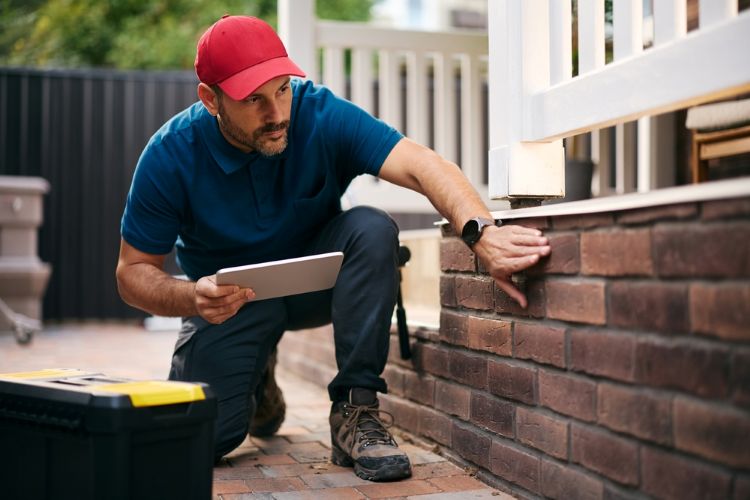
How to reduce risk of your car getting caught in an underground parking garage flood and details on your insurance coverage options.
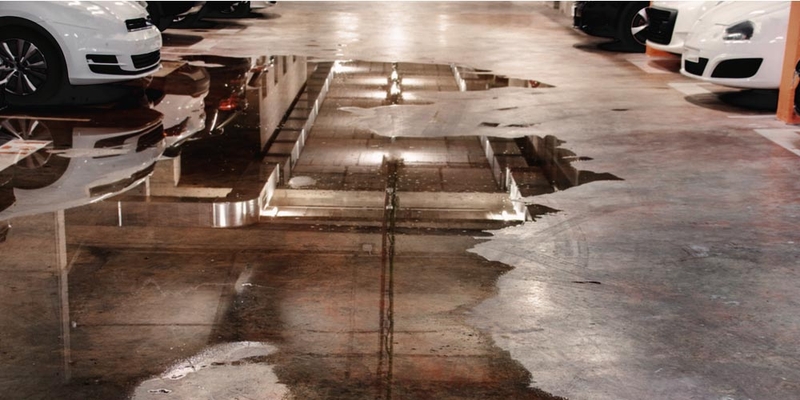
Consider short-term home insurance additional options before you rent out your home to FIFA World Cup 2026 soccer fans.

Spring landscaping can affect your insurance. Minor grading changes can send water toward foundations, raising flood risk.

As extreme weather intensifies, resilient Canadian homes sell for more: upgrades can add up to 5.6% to resale prices, yet many listings don’t mention them.