Choose an Insurance Quote
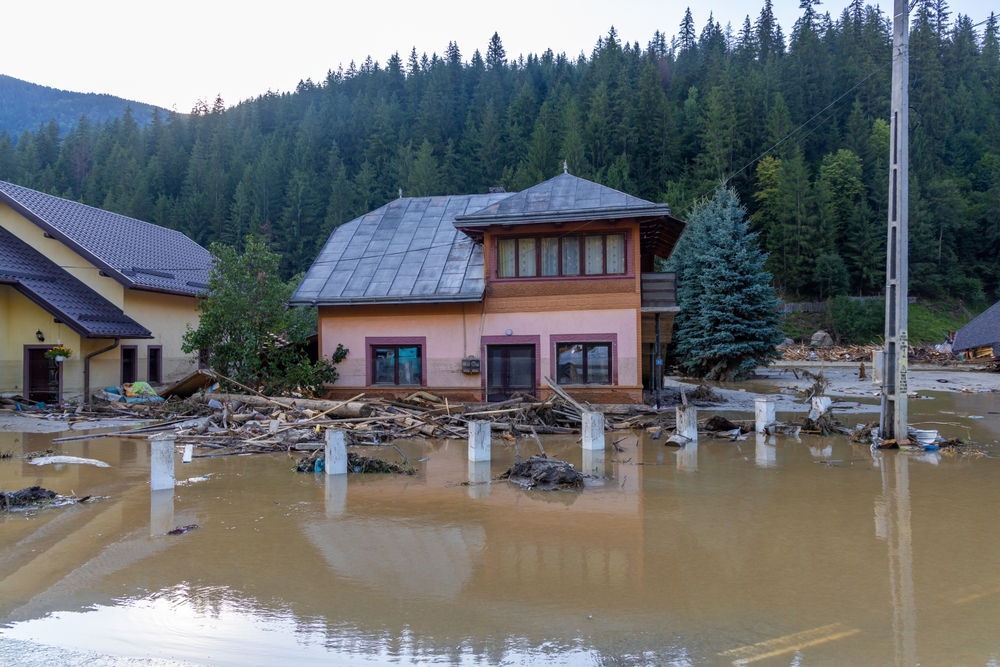
Should you buy a flood-damaged home?


KEY FINDINGS
- Flood-damaged homes can sell at a discount but repair costs of mould, rotted framing, structural issues can be costlier than expected.
- An independent inspection including air sampling can help detect mould and level of contamination.
- Sewer backup and repeated flooding history can be major red flags when buying a property.
- Repair costs of a flooded home can range from a few hundred dollars to $10K–40K for foundation work.
- Insurers assess property claim history for flood damage over the last five years.
Flood-damaged houses could provide a more affordable “fixer upper” as a path to owning a home, but the damage could end up being more than you bargained for.
Founder and CEO of Restoration Mate, Justin York, notes that often flood-damaged houses are offered at a lower price, which could save money for a buyer confident of handling repairs themselves. But buyers take on risk as repair costs can pile up more than expected.
What to consider before buying a home with flood damage
A checklist for buyers considering an offer for a home exposed to prior flooding would include:
- Assessing extent of damage
York says any decision to buy a flood-damaged home lies in the extent of the damage. If the home has been repaired or the damage is only a small leak, there shouldn’t be much concern in buying a flood-damaged home, he adds.
- How long damage left without being addressed
If damage has been left for a long period of time without being addressed, there is a strong possibility of mould growth, which should be a potential buyer’s main concern. A buyer might not know of mould growth or damages hidden behind walls that a seller hasn’t fixed, York warns.
Read more: Does home insurance cover the cost of damage from mould?
“I would be cautious when you’re purchasing a home that has had flood damage and hasn’t been mitigated.”
- Checking for hidden mould via a home inspection
York recommends a home inspection by an environmental engineer to look for hidden mould. A visual inspection and taking air samples for testing could locate mould and the type and level of contamination.
He says that even the slightest signs of water damage should be taken seriously during an inspection, and buyers should rely on their experts to identify possible problems unobtrusively before buying, as opening walls typically isn’t allowed before purchase.
- Potential structural issues with repeated flooding
Another potential concern is the home having structural issues if there has been repeated water damage over a long period of time.
York recalls an example where a house was bought with no signs of water damage visually, but once it was opened up, they could see that the framing was “completely rotted out”. To fix it, an entire area of the kitchen had to be removed and reconstructed.
- If flood contamination repairs completed
If a seller has completed water damage repairs, then a buyer can have more confidence in placing an offer for a home.
- Potential for future exposure in a flood plain
A buyer should take into consideration where a house is located, such as if it is in a floodplain or near a body of water, which can offer clues as to whether flooding could be a constant issue moving forward.
What are common types of water contamination from flooding in a home?
Contamination from excess water in a home can result in:
- Basement leaks
- Changing water pipes
- Above-ground damage
- Exterior walls destruction
- Foundation issues
- Sewer contamination
According to Restoration Mate’s York, the most common water damage is leaks in the basement, while above-ground damage is much less common.
Damage to exterior walls in the basement usually means potential for foundation issues.
Water damage could also be related to the pipes, which can either be an easy and cheap fix of up to a couple hundred dollars, or more expensive if main drainpipes need addressing.
Learn more: Will my home insurance cover a burst pipe?
A broken or damaged drain line in the basement could cause backup water damage from a sewer. Sewer damage can be unsafe due to bacteria and toxins in the water, so York says a buyer should make sure that the home is cleaned and the issue is properly addressed before purchasing.
“You’d want to be cautious if the house has (sewer backup) because that stuff can go airborne and go all over the place,” he cautions.
How much do repairs cost from excess flooding in a home?
Repair costs of a home’s foundation after excess water are often high. Replacement of pipes could range from a couple hundred dollars to tens of thousands, depending on whether main drainpipes are affected by excess water. Clean-up costs of mould can be additional to structural repairs.
Type of damage | Repair estimates |
|---|---|
Foundation | between $10K–40K |
Fixing pipes | couple of $100 |
Replacing drain pipes | up to $10K–15K |
“It is pretty common to purchase a house that has had water issues,” York says, nonetheless buyers should factor home repair cost estimates into their budgeting.
Read next: What is the cost of repairing a flooded basement?
What insurers assess for a flood-damaged home
Insurers rate properties based on many factors, including location, prior loss experience, and flood exposure, according to Daniel Ivans, Rates.ca insurance expert and licensed insurance broker.
Factors insurers check related to flooding include:
- Location of home in flood plain
- Prior loss experience
- Cause of previous flooding
- Potential for repeat flooding
If a house has had water damage, it could be a sign that there could be further issues in the future. York says repeated flooding could cause problems with getting insurance or could raise rates.
A Rates.ca report from 2025 found that a single water damage claim in Ontario can raise home insurance premiums by an average of $376 annually, or 19%.
Often insurers will look at the property’s claim history, not just your own, to determine the rate. Ivans says most insurers will rate for claims that have occurred in the last five years.
“A previous flood loss does not automatically increase premiums for a future homeowner, but a history of water damage in the territory may affect eligibility, available coverages, deductibles, or pricing with many insurers,” he notes.
“In many cases, ongoing flood exposure of a property is more important than whether a previous owner made a claim.”
A home in a frequently flooded area or a flood plain may face higher premiums, water-related restrictions or limited availability of overland water coverage, even if repairs have been done. Insurers may request an inspection of the home to verify the property’s condition, Ivans says.
The cause of flooding can also impact insurance, according to Ivans. He said burst pipes and sudden accidental plumbing failures are commonly covered under standard home insurance policies, while sewer backup, overland, surface, and flood coverages are all typically optional and must be specifically added.
Previous owners don’t necessarily need to disclose flood damage in every circumstance, but Ontario law generally requires sellers to disclose known latent defects that make a property dangerous or unfit to live in. Failure to disclose a hidden issue from previous flood damage could create legal liability, according to Ivans.
“Sellers cannot actively conceal defects or misrepresent the condition of the property.”
Frequently asked questions (FAQ)
Are sellers required to disclose prior flooding in their home to potential buyers?
Sellers don’t necessarily need to disclose flood damage in every circumstance, but Ontario law generally requires sellers to disclose known latent defects that make a property dangerous or unfit to live in. Failure to disclose a hidden issue from previous flood damage could create legal liability, experts say.
Are all types of flooding covered under standard home insurance?
No, burst pipes and sudden accidental plumbing failures are commonly covered under standard home insurance policies; while sewer backup, overland, surface, and flood coverages are all typically optional and must be specifically added to a policy.
Can a water flooding claim raise my home insurance in Ontario?
Yes, a single water damage claim in Ontario can raise home insurance premiums by an average of $376 annually, or 19%.
Don't waste time calling around for home insurance
Use Rates.ca to shop around and compare multiple quotes at the same time.
Finding the best home insurance coverage has never been so easy!

Eric Stober
Eric Stober,
Eric Stober is a Toronto-based freelance writer with over 10 years experience at publications big and small, including Global News, Toronto Life, Yahoo Canada and Real Estate Magazine.
Featured Topics
Shopping for cheaper home insurance isn't tied to a calendar but aligns best with your changing needs and a market that's constantly shifting.

When subletting your rental property remember to inform your insurer. Your subtenant should carry their own insurance policy.

As the real estate market fluctuates, doing minor, strategic renovations may help improve your home equity and offset falling home values.

A comprehensive home insurance policy can help you cover significant repair costs from a water-damaged basement.

How to reduce risk of your car getting caught in an underground parking garage flood and details on your insurance coverage options.
Consider short-term home insurance additional options before you rent out your home to FIFA World Cup 2026 soccer fans.

Spring landscaping can affect your insurance. Minor grading changes can send water toward foundations, raising flood risk.

A backwater valve is a gate mechanism added to your wastewater outflow pipe that prevents city sewage from flowing back into your home.

As extreme weather intensifies, resilient Canadian homes sell for more: upgrades can add up to 5.6% to resale prices, yet many listings don’t mention them.