Choose an Insurance Quote
Are new vehicles too expensive? Probably. But they could get cheaper soon
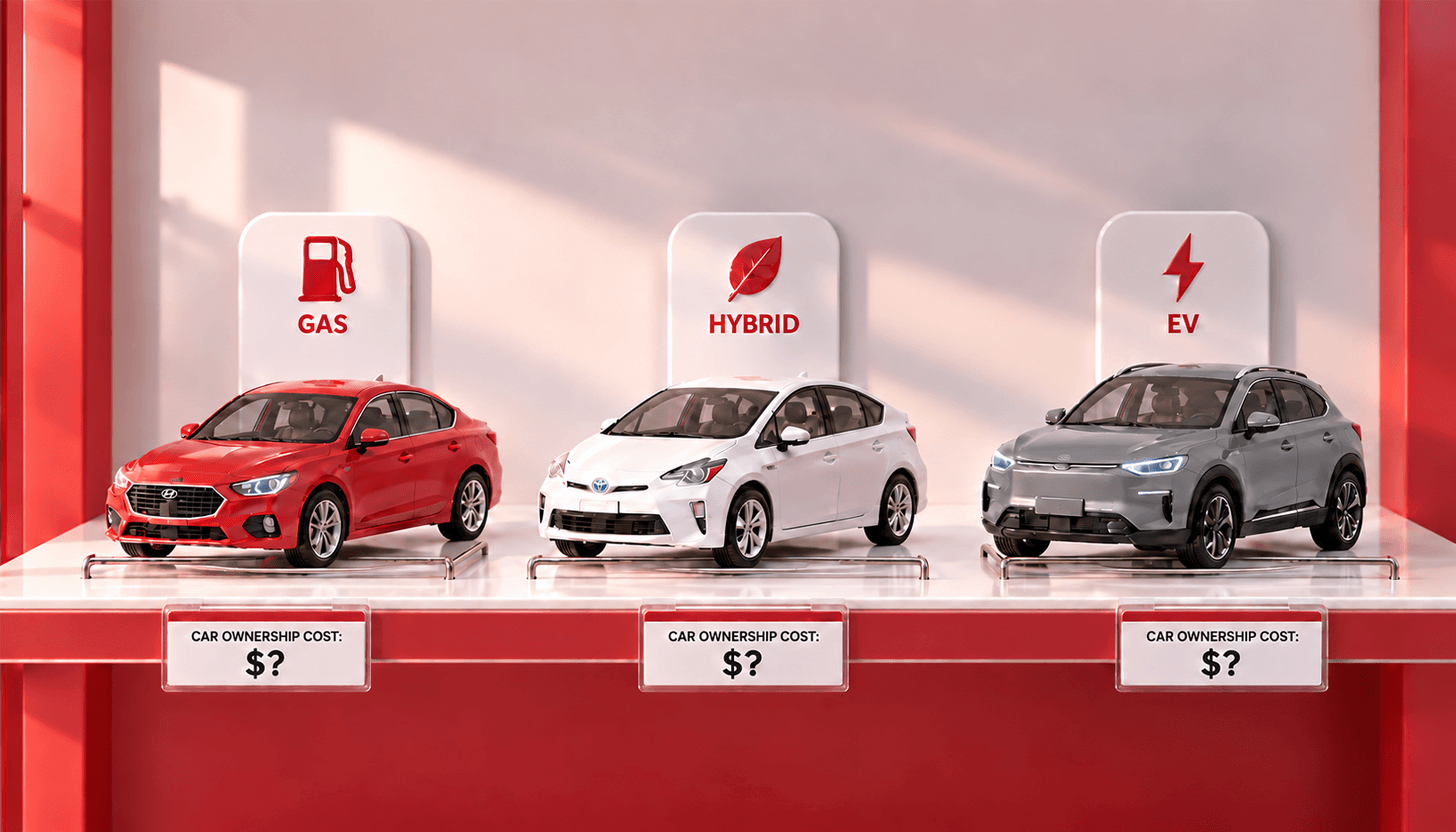

Walk onto any new dealership lot, and most of the prices scrawled on windshields are likely to be north of $50,000. Gone are the days when consumers could buy a new vehicle for less than the cost of a university education. So, what happened? In a word, Covid.
As governments instituted lockdowns and closed borders, snarled supply chains dramatically drove up parts and labor costs. Manufacturers took advantage of surging demand pushing against broken supply chains to raise prices, resulting in wider margins and soaring profits.
Manufacturers also forced higher trim levels, meaning they prioritized the production of vehicles with advance and luxury features such as infotainment systems, panoramic sunroofs, heated, ventilated and even massaging seats, and adaptive cruise control over basic models. At the same time, advances in safety tech, such as cameras, blind spot detectors, sensors, and onboard computing, increased complexity and cost.
Many manufacturers discontinued economy and small models outright, with the Big Three North American automakers abandoning the sedan segment almost entirely in favor of pricier SUVs. And while EVs should eventually be cheaper than gasoline powered cars due to their fewer parts, Western manufacturers initially launched them as premium, luxury-leaning products in an attempt to more quickly recoup development costs.
Post-Covid, cheap financing and lease deals masked higher sticker prices. Loan terms stretched beyond the standard 36/48 months to as long as 96 months, or eight years. Monthly payments became less tenable for consumers as rising interest rates pushed up borrowing costs in 2022.
The tide, however, is about to turn.
Manufacturers are responding to slowing sales with a new wave of sub-$35,000 models that are smaller, less 'smart', and increasingly electric, such as the recently-announced Ford Fathom. These newer models are designed to compete with the coming wave of cheaper Chinese EVs. But it will take time, with most of these models set to arrive on dealer lots in late 2027 and 2028.
If you already own a vehicle and are considering purchasing a new one, hold off for another year or two. Check your auto insurance premium in the meantime. Roughly 40% of what you pay is based on the cost to repair or replace your vehicle, and premiums climbed in lockstep with car prices over the past five years. As more affordable vehicles enter the market, expect premiums to ease as well.
One last tip if you're shopping soon: check whether your dream car is a frequent theft target. Vehicle thefts have fallen roughly 20% over the past year but remain at historic highs, and high-theft makes and models carry surcharges that can add $500 to $1,500 to your annual insurance bill.
Hopefully, Canadians will see some relief in new vehicle prices soon.

Igal Mayer
Igal Mayer, Chief Executive Officer
As President and CEO of Rates.ca Group Ltd., Igal Mayer brings nearly 30 years of insurance sector expertise to this industry-leading digital platform.
Throughout his career, he has held top leadership positions across the UK, Europe and North America. As the former CEO of Aviva Europe, Aviva North America, Aviva UK and Aviva Canada, he has a proven record in leading and reshaping businesses towards profitability and improved organizational performance, even in the face of challenging economic times.
An innovator and entrepreneur at heart, it was while running Aviva U.K in 2007 that Igal saw the potential of insurance aggregators to transform the larger P&C insurance industry, while offering transparency, customer advocacy and education, and true comparison for the client.
In 2018, Igal was presented with the opportunity to lead KANETIX, which was then operating as a Software-as-a-Service (SaaS) business, catering to Canadian brokers and insurance carriers. Under his leadership, the business acquired two businesses as well as created the Scoop Insurance brokerage in Welland, Ontario. Today, the Rates.ca brand is Canada’s largest insurance and financial services price comparison site along with being Canada's fastest growing digital P&C brokerage.
With an eye towards the future of the industry, he continues to live out his mission of building a customer centric business, creating value, and striving to implement technology solutions that demystify and simplify the complexity of insurance.
Igal is a Chartered Professional Accountant, Canadian Chartered Accountant, and an Honorary Chartered Insurance Professional. He holds an Honours B.A. from the University of Toronto.
Featured Topics
How 'Dieselgate', stricter emissions rules, and changing economics reshaped Canada's passenger vehicle market away from diesel.
Premium gas costs nearly 30¢ more per litre than regular, meaning drivers whose vehicles don't require it could save $400 to $700 a year at the pump.
Canada's mortgage renewal wave has nearly half of homeowners spending 50%+ of monthly outgoings on housing; younger Canadians and newcomers most strained.
With only 13% of Canadians open to buying autonomous vehicles, experts expect adoption to begin through ride-hailing services before widespread ownership.

As extreme weather intensifies, resilient Canadian homes sell for more: upgrades can add up to 5.6% to resale prices, yet many listings don’t mention them.

After a sluggish 2025, EV interest in Canada is climbing again: searches are up 40%, and nearly one‑third of Canadians say they’re open to buying an electric vehicle.
In Toronto, auto insurance eats up 70% of total insurance costs, compared to 60% in Ottawa and 65% in Hamilton.

Ontario households spent $14K–$21K on auto and home insurance in four years, city by city. 75% of insured households saw premium hikes in the past two years.

Despite recent interest rate cuts, 35% of Canadians now see condos as a poor investment, but they remain a key entry point for young and first-time buyers.