Choose an Insurance Quote
Rebates for resiliency changes to your home reduce future insurance claims
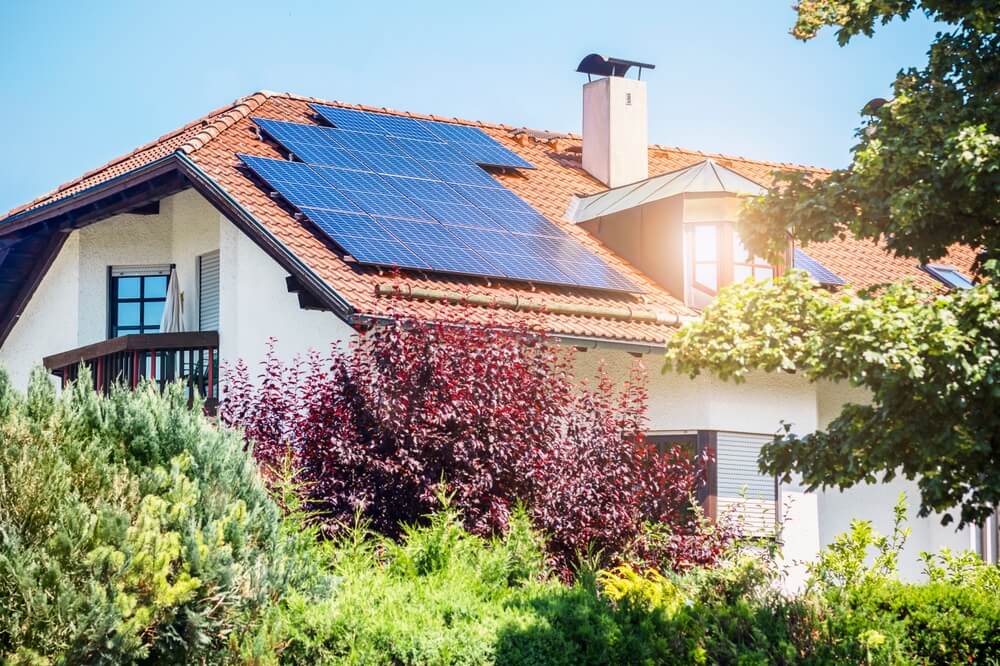

KEY FINDINGS
- Most home retrofit rebates in Canada work as reimbursements. Homeowners pay upfront and receive funds only after approved installations are completed. A few programs offer advance payments.
- Subsidies focus on reducing flood risk and improving energy efficiency. Funding typically supports sump pumps, backwater valves, drainage modifications, and heat pumps.
- Municipal and regional grants provide the widest access. While federal grants are limited, cities and regions administer most flood‑prevention financing, setting their own eligibility rules and subsidy caps.
- Eligibility and funding vary widely by location. The type of installation and the maximum subsidy available depend on where a homeowner lives and which level of government operates the scheme.
- Eco-friendly renovations reduce future claims. Renovations that reduce risk of damage can help homeowners, but they don’t always lower home insurance costs.
Canadians can lower costs of resiliency home upgrades with government-offered rebate programs. These grants help cover part of the cost of approved improvements—such as sump pumps, backwater valves, or heat pumps.
In most cases, homeowners pay for the work upfront and receive money back after installations are completed and applications approved. Some schemes offer upfront payments or discounts.
Across Canada, grants tend to focus on home improvements that reduce flood risk, water damage, or energy use. What’s covered—and how much homeowners can receive—depends on where they live and which level of government administers the grants.
Here’s what you need to know.
What are some common home retrofits covered by funding?
Across Canada, grant programs are available for a small group of home improvements, especially those meant to reduce flooding and water damage.
At the city or regional level, many rebates focus on flood‑prevention measures, such as sump pumps and backwater valves. These systems help keep water and sewage from backing up into basements during heavy rain.
Some municipalities also offer funds for plumbing and drainage adjustments that help manage excess water. These modifications can include disconnecting a home from the storm sewer system or capping foundation drains. The goal is to reduce the amount of water entering basements and to ease pressure on local sewer systems.
At the federal level, financing is more limited and tends to focus on specific changes, such as replacing oil‑based heating systems. Overall, the types of renovations covered by government subsidies usually reflect local infrastructure concerns and severe weather risks, with each available plan setting its own rules and funding limits.
Read more: Going green at home: What it really costs to do good
Federal home resiliency programs (Canada)
Federal grants are limited in number but typically support large, high‑impact updates that reduce emissions or improve energy efficiency.
| Program | Rebate amount | Status | What the rebate covers | Key eligibility limits |
|---|---|---|---|---|
| Canada Greener Homes Grant | Up to $5,000 | Closed February 2024 to new applicants | Energy-efficiency fittings such as heat pumps, insulation, windows, and doors | Only homeowners who applied before the program closed can receive funds. Requests submitted by the deadline are still being processed. |
| Oil to Heat Pump Affordability Program | Up to $10,000 (upfront payment) | Open | Purchase and installation of eligible heat pump systems, plus related costs such as electrical upgrades and oil-tank removal | Available to Canadian homeowners with oil-heated homes and household income at or below the median after-tax income; eligibility and delivery vary by province and territory. |
The Canada Greener Homes Grant program remains one of the federal government’s largest home retrofit funding instrument to date.
According to Natural Resources Canada, more than 409,000 households across Canada completed energy‑efficiency retrofits and received funds before applications closed in February 2024. The average subsidy was about $4,430, with a total of $1.8 billion in grants issued.
Heat pumps were the most common upgrade, accounting for six in ten installations, followed by window and door replacements, insulation, air sealing, and solar panels. On average, participating households save $386 a year on energy costs, while reducing greenhouse‑gas emissions by nearly two tonnes per home each year.
Read more: How is climate change affecting home insurance premiums?
Local home rebate schemes in Canada
In Canada, the majority of inclement weather protection funds available to homeowners in 2026 are administered by municipalities and regional governments rather than at the federal level. These amounts are offered through city‑ or region‑run schemes, with eligibility, subsidies, and application requirements set by the administering authority.
The table below lists examples of current municipal and regional flood‑prevention rebate offerings:
| Municipality | Maximum rebate | Eligible measures |
|---|---|---|
| Edmonton | Up to $800 | Backwater valves |
| Halton Region | Up to $19,500 | Sump pumps, backwater valves, and storm-drain disconnections |
| London | Up to $7,200 (90% of eligible costs) | Sump pumps, backwater valves, and sewage ejectors |
| Mississauga | Up to $7,500 | Sump pumps, foundation drain capping, and downspout disconnections |
| Toronto | $1,250 for backwater valves; $1,750 for sump pumps | Backwater valves and sump pumps |
Read next: As the climate changes, check these home insurance blind spots
How eco‑friendly upgrades can affect your home insurance
Renovations that reduce risk of damage can help homeowners, but they don’t always lower home insurance costs.
According to The Insurance Institute of Canada’s 2026 Home Insurance Affordability report, written by Paul Kovacs, founder and executive director of the Institute for Catastrophic Loss Reduction, homes with eco-friendly retrofits are linked to fewer claims from floods and wildfires. These additions could include impact‑resistant roofing, fire‑resistant building materials, backwater valves, and sump pumps.
Research cited in the report shows that every $1 spent on targeted risk‑reduction measures can prevent $5–10 in future losses.
Mitigating risk matters to insurers facing soaring losses from extreme weather impacts to built areas. The report shows insured damage from floods, wildfires, hail, and severe storms has risen sharply over time. Between 1996 and 2025, the inflation‑adjusted five‑year average of severe weather claims grew from about $400 million a year to about $4 billion. Losses reached roughly $9 billion in 2024, one of the costliest years on record.
As losses rise, Kovacs recommends increased funding for protective measures that reduce risks to help prevent future claims.
Homeowners may also want to compare home insurance rates at least once a year to ensure they can avail of the best available coverage.
Learn more: Is severe flooding making your home uninsurable?
Don't waste time calling around for home insurance
Use Rates.ca to shop around and compare multiple quotes at the same time.
Finding the best home insurance coverage has never been so easy!

Aya AlHakim
Aya AlHakim, Data reporter
Aya Al-Hakim is a data reporter with Rates.ca. Previously, she worked as an online journalist, reporting on a wide range of topics including business, politics, and health. Her work has been featured in Global News, CBC, Yahoo Lifestyle Canada and Canadian Business.
Featured Topics
Shopping for cheaper home insurance isn't tied to a calendar but aligns best with your changing needs and a market that's constantly shifting.

When subletting your rental property remember to inform your insurer. Your subtenant should carry their own insurance policy.

A heavily discounted home with prior flooding seems attractive, but unexpected repair costs can erase savings.
As the real estate market fluctuates, doing minor, strategic renovations may help improve your home equity and offset falling home values.

A comprehensive home insurance policy can help you cover significant repair costs from a water-damaged basement.

How to reduce risk of your car getting caught in an underground parking garage flood and details on your insurance coverage options.
Consider short-term home insurance additional options before you rent out your home to FIFA World Cup 2026 soccer fans.

Spring landscaping can affect your insurance. Minor grading changes can send water toward foundations, raising flood risk.

A backwater valve is a gate mechanism added to your wastewater outflow pipe that prevents city sewage from flowing back into your home.