Choose an Insurance Quote
Install weeping tiles for your home to avoid a flood of tears
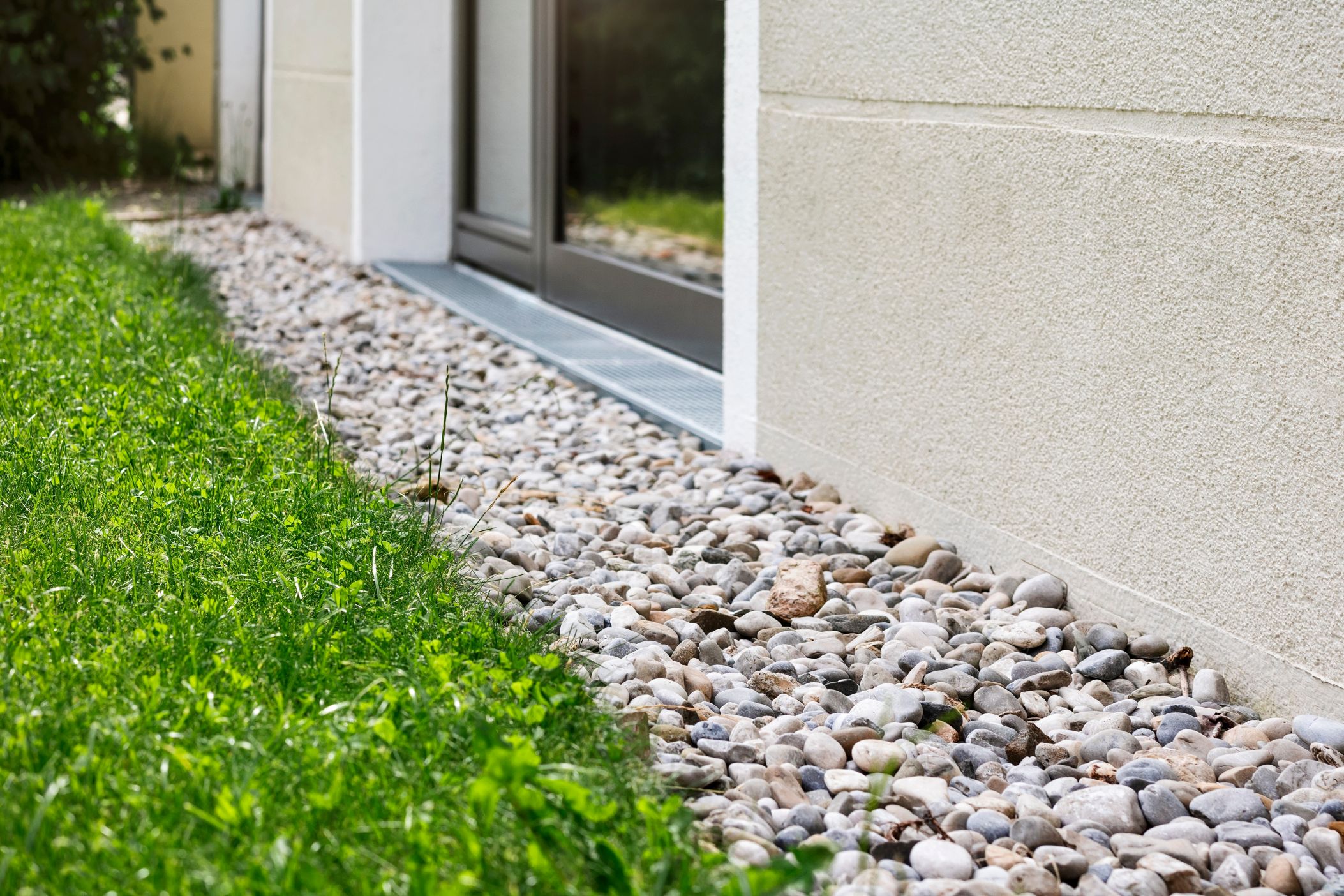

KEY FINDINGS
- Weeping tile systems help prevent water damage. They are designed to collect and redirect excess groundwater away from your basement and home’s foundation.
- Homes on high‑water tables benefit most. Properties with high groundwater levels face greater risks of water intrusion without proper drainage.
- These systems are typically a construction standard. Weeping tile drainage systems have been installed in Canadian homes since the early 1960s.
- Installation can be expensive for older homes. Costs can reach several thousand dollars to dismantle newer property extensions to add in water drainage.
- Weeping tiles do not affect insurance premiums. Insurers generally view water leakage as a maintenance issue, rather than a factor in setting home insurance rates.
The weeping tile drainage system is a key asset for homeowners to avoid water leakage damage to their basement and property foundation.
What is a weeping tile drainage system?
The weeping tile drainage system, also called a French drain or a perimeter drain, was developed in the 1800s by American lawyer and agriculturalist Henry Flagg French.
The system involves a perforated pipe in a dug out trench that runs around the perimeter of the foundation of a house. The pipe is placed over gravel and has holes on the bottom to collect water from the ground. It is slanted at an angle, so water collected can move to either a central sewer system or a sump pump.
When it rains or snows, water can soak into the soil around the house and build pressure against the foundation or walls, eventually working its way through small cracks. That can lead to damp basement walls or leaks, eventually weakening the structure of a house, according to Lydia Roy, Vice President General Insurance, TD Insurance.
A weeping tile system collects ground water and directs it away from the home making it less likely to seep into the foundation or basement window wells, Roy said in an email.
Should you install a weeping tile drainage system?
According to Glenn McGillivray, managing director of the Institute for Catastrophic Loss Reduction, weeping tile drainage systems have been standard features in home construction since the early 1960s. Most homeowners need not worry about installing one themselves.
For older homes that do not have weeping tiles, it could be a worthwhile investment to prevent water damage to the property foundation or flooding into a basement, he said. Homes located on a high-water table are at greater risk since there is more water in the ground that can seep into basements.
McGillivray estimates installations for older homes could cost tens of thousands of dollars. “You have to excavate right around the entire perimeter of your home. If you have a front porch and a back deck, they’re going to have to rip those out. It’s really intrusive and costly.”
Does a weeping tile drainage system impact home insurance?
The weeping tile drainage system is not a consideration for home insurance because it only prevents water leakage and seepage. These water drainage problems arise almost always from maintenance issues not covered by home insurance, according to Jesica Ryzynski, a claims specialist with broker Mitch Insurance.
Home insurance usually only covers issues that are sudden and accidental, such as damage from a flood. Even if there is a flood and your basement gets damaged, a weeping tile drainage system won’t factor into the conversation because its main function is for leakages, not major and sudden water damage.
For massive, catastrophic flood events, “that weeping tile, being fully functional, is not going to save you,” Ryzynski says. “It’s just too much water.”
Both McGillivray and Ryzynski believe that weeping tiles are not a consideration for insurers, and they won’t ask whether you have one. McGillivray compared the system to having walls – it is that commonplace.
Check if your old weeping tiles need repairs
Even if your home does have weeping tiles, they could be old and deteriorated, resulting in water seeping into your basement. Ryzynski was surprised to learn her house from the 1940s had weeping tiles, but they had to be replaced.
Ryzynski views these drainage systems to be different from other commonplace house protections like your roof. Insurers ask about roof protections that could play a role in the damage your house receives in big storms. However, weeping tiles are not crucial in preventing immediate large damage to your home.
“It’s definitely more of a maintenance thing, something that a homeowner would want to do to protect their property,” she said. It’s an “extra layer of protection”, in addition to home insurance for larger damage.
Frequently Asked Questions
What is a weeping tile drainage system?
A weeping tile system is a perforated pipe installed in a dug‑out trench along the perimeter of a home. It collects excess groundwater and directs it away from the foundation, either into a municipal sewer system or sump pump.
Does a weeping tile system reduce home insurance premiums?
No. Insurers generally do not consider weeping tile systems when setting premiums because they have been standard in home construction since the early 1960s. Home insurance typically covers sudden and accidental water damage, which weeping tiles cannot fully prevent.
Should I install a weeping tile drainage system?
Homeowners with older homes located on a high‑water table may benefit from adding a weeping tile system to reduce risks of water damage to basements or property foundations. However, installation can cost several thousand dollars and may require dismantling structures such as decks or porches.
Do municipalities in Ontario or Canada cover the cost of installing weeping tiles?
No. Weeping tile systems are considered private property maintenance and are a homeowner’s responsibility. However, the City of Toronto offers rebates of up to $3,400 per property to cap or sever weeping tiles from the municipal storm sewer system when redirecting excess water to a sump pump.
Don't waste time calling around for home insurance
Use Rates.ca to shop around and compare multiple quotes at the same time.
Finding the best home insurance coverage has never been so easy!

Eric Stober
Eric Stober,
Eric Stober is a Toronto-based freelance writer with over 10 years experience at publications big and small, including Global News, Toronto Life, Yahoo Canada and Real Estate Magazine.
Featured Topics
Shopping for cheaper home insurance isn't tied to a calendar but aligns best with your changing needs and a market that's constantly shifting.

When subletting your rental property remember to inform your insurer. Your subtenant should carry their own insurance policy.

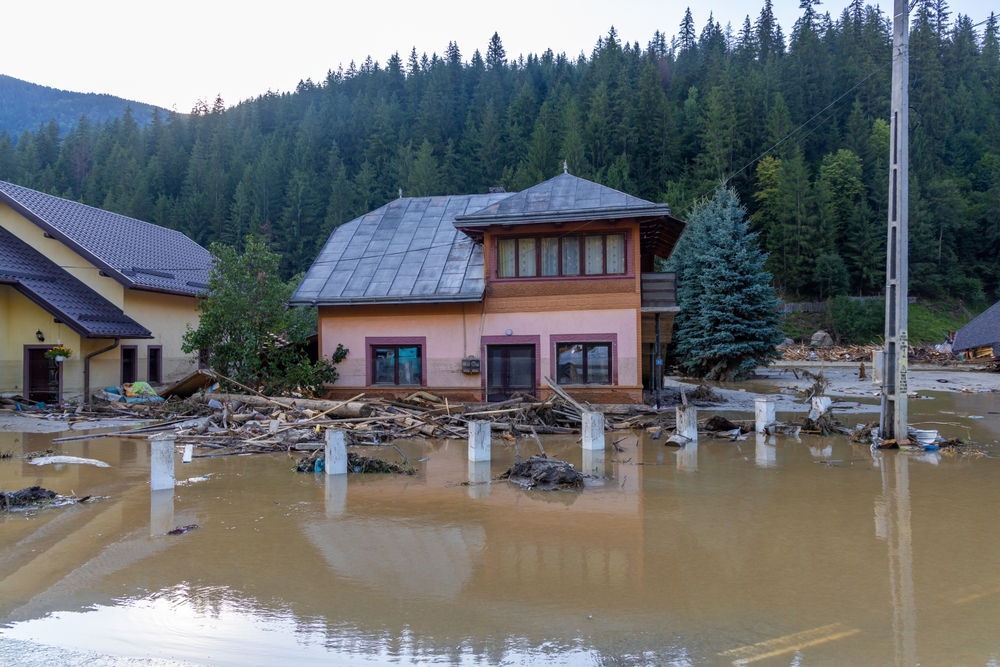
A heavily discounted home with prior flooding seems attractive, but unexpected repair costs can erase savings.
As the real estate market fluctuates, doing minor, strategic renovations may help improve your home equity and offset falling home values.

A comprehensive home insurance policy can help you cover significant repair costs from a water-damaged basement.

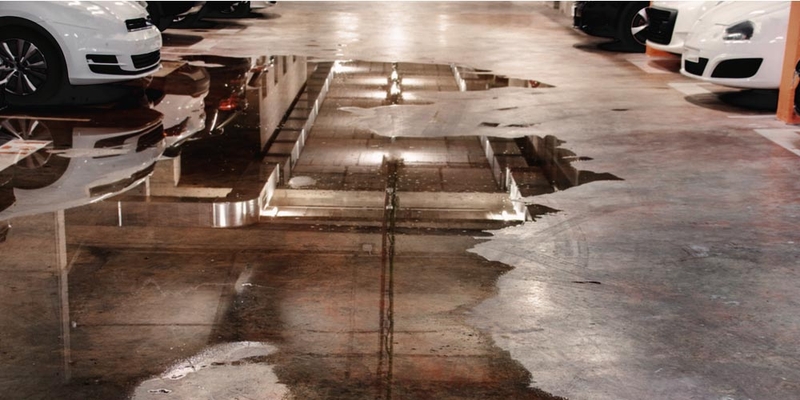
How to reduce risk of your car getting caught in an underground parking garage flood and details on your insurance coverage options.
Consider short-term home insurance additional options before you rent out your home to FIFA World Cup 2026 soccer fans.

Spring landscaping can affect your insurance. Minor grading changes can send water toward foundations, raising flood risk.

A backwater valve is a gate mechanism added to your wastewater outflow pipe that prevents city sewage from flowing back into your home.