Choose an Insurance Quote
How to spot and fix drafts in your home before spring

QUICK TAKEAWAYS
- Drafts make your home uncomfortable and raise heating costs. Fixing them can save up to 10% on energy bills and boost comfort year-round.
- You can use the hand test, flashlight test, or candle/incense test to locate air leaks. Pay special attention to windows, doors, attic hatches, and basement rim joists.
- Cheap solutions include: weatherstripping doors and windows, sealing gaps with caulk, using draft stoppers, and insulating outlets with foam gaskets.
- Older homes may need extra measures like custom window inserts, insulating rim joists, and using plastic window film.
- If drafts persist, consider doing a professional energy audit ($300-$600) to find hidden leaks. Programs like the Canada Greener Homes Initiative offer rebates for energy-efficient upgrades.
Winter in Canada can feel long, and the last thing anyone wants is a constant indoor chill. That cold air sneaking into your home isn't just uncomfortable, it's also a drain on your wallet.
Drafts can significantly increase your heating costs, forcing your furnace to work overtime just to maintain a comfortable temperature. By taking a few simple steps to find and fix these air leaks before spring arrives, you can lower your energy bills and make your home more comfortable year-round.
This guide will walk you through how to locate drafts, provide straightforward solutions to seal them, and explain the long-term benefits of a draft-free home.
The hunt for drafts: 6 ways to find hidden air leaks
Drafts are often subtle, but their impact is not. Finding them is the first step toward a warmer, more energy-efficient home. Here are a few simple methods to pinpoint where cold air is getting in.
A visual inspection
Take a close look at all potential entry points for outside air. Check the caulking around windows and the weatherstripping around doors. Do you see any cracks, gaps, or signs of wear? Look for daylight peeking through the edges of your door frames. Pay special attention to the corners where walls meet floors and ceilings, as these areas can settle and develop gaps over time.
The hand test
The simplest way to detect a draft is to use your hands. On a cool, windy day, slowly wave your hands around the frames of windows and doors, electrical outlets, and any openings where pipes or vents go through walls. If you feel a noticeable temperature drop or a slight breeze, you've likely found an air leak.
Flashlight test
This works best at night. Have one person shine a flashlight from inside the house around windows, doors, and other potential leak points. Another person stands outside to see if any light escapes through gaps or cracks.
The candle or incense test
For a more precise method, you can use a candle or an incense stick or a specialized smoke pencil. Turn off your furnace and any fans to still the air in your home. Carefully light the candle or incense and hold it near suspected drafty areas. Watch the flame or smoke closely. If it flickers, wavers, or is drawn in a particular direction, you have an active air leak.
Paper test for doors
Close a door with a piece of paper or a dollar bill stuck in the frame. If you can easily pull the paper out without resistance, the seal is not tight, and air is likely leaking through.
Inspect your attic and basement
These areas are common culprits for air leaks. Look for gaps around attic hatches, recessed lighting, and where pipes or wires enter the home. In the basement, check rim joists and foundation cracks.
Related: How to protect your home from ice storms and spring flooding
4 simple fixes for a draft-free home
Sealing drafts in your home is often a simple and inexpensive DIY project. Here are some effective ways to stop drafts in their tracks.
Weatherstripping doors and windows
Weatherstripping creates a seal around doors and windows. Over time, the seals can become compressed, cracked, or damaged.
- For doors: Self-adhesive foam or rubber stripping is easy to apply around the door jamb. For the bottom of the door, a door sweep can be installed to block the gap between the door and the threshold.
- For windows: Apply foam or V-strip weatherstripping to the window sash to create a tight seal when it's closed. For a temporary but effective fix, window insulation film can be applied over the entire window, creating an insulating pocket of air.
Prices for weatherstripping materials like foam tape and window film kits range from $10 to $25, depending on the type and brand.
Sealing gaps with caulk
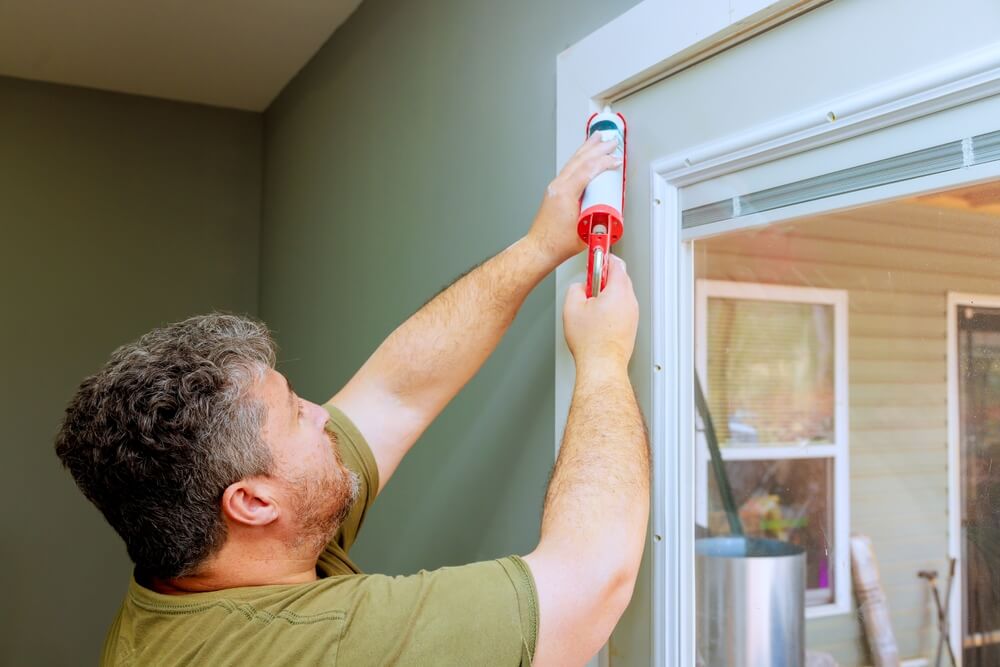
For stationary gaps and cracks, caulk is the perfect solution. Use a high-quality, paintable caulk to seal openings around window and door frames, baseboards, and where plumbing or wiring enters your home.
Make sure the surface is clean and dry before applying a smooth, continuous bead of caulk. Larger gaps may require expandable foam spray, but use it carefully as it can expand significantly.
Caulk prices vary from $5 to $15 per tube, depending on the type (silicone, acrylic, etc.) and brand.
Using draft stoppers
A simple draft stopper, also known as a "draft snake," placed at the bottom of a door is a low-cost, effective way to block cold air. You can buy them for $10-$20 or even make your own by filling a fabric tube with rice or dried beans. This is a good solution for interior doors leading to unheated spaces like a basement or garage.
Insulating outlets and switch plates
Electrical outlets and switch plates on exterior walls are common sources of drafts. You can easily seal these by installing pre-cut foam gaskets. Simply remove the cover plate, place the gasket over the opening, and screw the plate back on. Pre-cut foam gaskets for outlets and switch plates are usually priced around $5 to $10 for a pack of several pieces.
It's a quick fix that takes just a few minutes per outlet.
Read more: How to lower home insurance rates by keeping your home in good shape
Tackling drafts in older homes
Older Canadian homes often have a charm that's hard to replicate, but they can also be notoriously drafty. Plaster walls, original windows, and settled foundations can create numerous air leaks. While weatherstripping and caulking are still effective, you might also consider:
- Window inserts: Custom-fit interior window inserts can offer the performance of a new window at a fraction of the cost, preserving the look of your original windows.
- Insulating basements and crawl spaces: Pay close attention to the rim joists in your basement—the wooden structure that sits on top of your foundation. Sealing and insulating this area can drastically reduce heat loss.
Plastic window film prevents cold air from chilling the interior glass surface and reduces condensation and is particularly effective during deep freezes.
It's also wise to check your exhaust vents (for dryers, furnaces, and bathrooms) to make sure the dampers are closing properly and not letting frigid air back into your home.
Learn more: Going green at home: What it really costs to do good
When to call a professional: The energy audit
If you've sealed the obvious leaks, but your home still feels chilly or your energy bills remain high, it might be time for a professional energy audit.
A certified energy advisor uses tools like a blower door test and an infrared camera to pinpoint exactly where your home is losing heat. This detailed assessment will cost you somewhere between $300 and $600, depending on factors like the size of the home, location, and the level of testing required.
The test provides a customized roadmap for improving your home's energy efficiency, often highlighting issues you can't see with the naked eye.
The good news is that government support is available to help offset these costs. Through the Canada Greener Homes Initiative, homeowners can receive a rebate of up to $600 for the energy audit itself, along with access to additional grants that support a range of energy-efficient upgrades. Some provincial and local programs also provide rebates and advice, making it more affordable to start making improvements.
Read more: Rebates for climate-friendly changes to your home
A well-sealed home means up to 10% savings in your home electric bill
Heating and cooling your home accounts for more than 60% of your annual electricity costs. A poorly insulated home means your HVAC system has to work double time, and it doesn't work for free.
Draft-proofing your home and insulating well can reduce your heating bill by as much as 10%.
You’ll notice the difference quickly: rooms stay warmer and cold spots near windows and doors disappear — without having to crank the thermostat to get cozy.
These savings aren’t limited to the winter months. In summer, a draft-free home keeps cool air inside longer, reducing the workload on your air conditioner and helping you save even more on energy costs.
The investment is small, but the payoff lasts season after season.
Read next: How to protect your home from severe weather
Don't waste time calling around for home insurance
Use Rates.ca to shop around and compare multiple quotes at the same time.
Finding the best home insurance coverage has never been so easy!

Arshi Hossain
Arshi Hossain, Associate editor
Arshi Hossain is the associate editor at Rates.ca. She has 4+ years of experience in delivering strategy-backed digital content through various mediums. Her expertise lies in breaking down complex information, meeting people where they are, and in the moments that matter.
Prior to joining Rates.ca, she worked in the editorial and digital content space at Wealthsimple, supported digital strategies, and UX writing for payment products and solutions at Bank of Montreal. She has also worked with startups to support editorial, content writing, communications, copywriting, and marketing needs.
Featured Topics
Shopping for cheaper home insurance isn't tied to a calendar but aligns best with your changing needs and a market that's constantly shifting.

When subletting your rental property remember to inform your insurer. Your subtenant should carry their own insurance policy.

A heavily discounted home with prior flooding seems attractive, but unexpected repair costs can erase savings.

As the real estate market fluctuates, doing minor, strategic renovations may help improve your home equity and offset falling home values.

A comprehensive home insurance policy can help you cover significant repair costs from a water-damaged basement.

How to reduce risk of your car getting caught in an underground parking garage flood and details on your insurance coverage options.
Consider short-term home insurance additional options before you rent out your home to FIFA World Cup 2026 soccer fans.

Spring landscaping can affect your insurance. Minor grading changes can send water toward foundations, raising flood risk.

A backwater valve is a gate mechanism added to your wastewater outflow pipe that prevents city sewage from flowing back into your home.