Choose an Insurance Quote
Ask the Expert: The homeowner's debt dilemma — should you go Bankruptcy or Consumer Proposal?
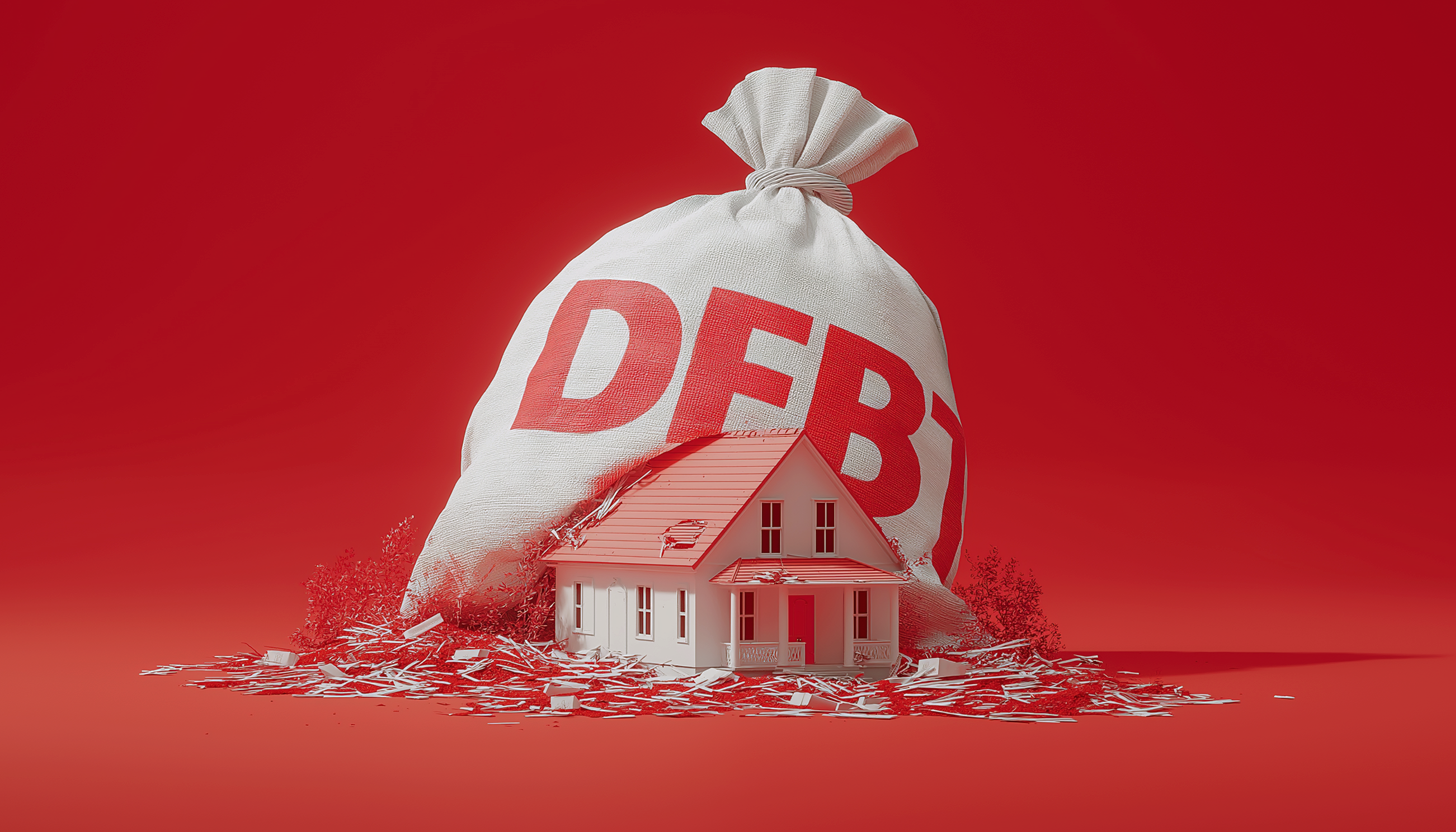

Ask the Expert is a monthly column where Steve Garganis, lead mortgage planner at Mortgage Architects and founder of CanadaMortgageNews.ca dives into what’s going on with mortgage rates and the Canadian housing market. Have a question for Steve on home buying and your mortgage? Reach out to us at media@rates.ca.
If you’re a homeowner facing the crushing weight of debt, you’re probably aware the two most dramatic debt resolution solutions: Bankruptcy and Consumer Proposal (CP).
A Consumer Proposal is often recommended because it is seen as gentler and less damaging than bankruptcy. But for an overwhelmed homeowner, often the last thing you need is a gentle breeze. Instead, sometimes the “nuclear option” of bankruptcy can be the smarter, faster and more decisive action plan to protect your financial future.
Here’s my take, focusing on what matters most: your home, your mortgage, and your future buying power.
Is bankruptcy or consumer proposal right for you? It depends on your equity.
The primary difference for homeowners lies in what happens to your home equity. This is where you need to be very careful.
- Bankruptcy: A Licensed Insolvency Trustee (LIT) will assess your assets, and your home’s equity is on the table.
- High equity risk: If your home's value significantly exceeds your mortgage and any provincial exemption limits, the court may force the sale of your home. Any net proceeds after paying the mortgage would go to your unsecured creditors.
- Low equity safety: If the sale proceeds would not yield a meaningful return for creditors (i.e., you have very little or no equity), the Trustee may allow you to keep the home.
- The bottom line: If you have substantial equity, bankruptcy is a high-risk gamble for your home.
- Consumer proposal: An LIT helps you with a debt payment plan to repay back an agreed-upon amount to your creditors. For homeowners, this is often the preferred route if you can continue to make your mortgage payments.
- Mortgage left untouched: A Consumer Proposal only deals with your unsecured debt (credit cards, lines of credit). As long as you keep up with your mortgage payments, your secured debt (your mortgage) will be left untouched, and you will keep your home.
Learn more: The Difference Between a Secured and Unsecured Loan - Renewal security: Banks typically don't pull a new credit report at renewal time, so as long as you pay on time, you'll most likely get a renewal offer at the end of your term, even with the Proposal mark on your file.
- Mortgage left untouched: A Consumer Proposal only deals with your unsecured debt (credit cards, lines of credit). As long as you keep up with your mortgage payments, your secured debt (your mortgage) will be left untouched, and you will keep your home.
How soon can you recover from debt?
While a Consumer Proposal allows you to keep your mortgage right now, it can trap you for years in a financial holding pattern that severely delays your financial recovery.
| Feature | Bankruptcy (First-Time Filer) | Consumer Proposal |
|---|---|---|
| Debt Discharge | As fast as 9 months | 3 to 5 years (repayment plan) |
| Unsecured Debt | Wiped out (except for surplus income rules) | You must repay a portion |
| How Long It Stays on Your Credit Report | Up to 7 years from date of discharge | Up to 7 years from date of completion |
| Time to Rebuild Credit | Can start rebuilding immediately after discharge, which is usually 2 years. | Cannot truly start rebuilding until after proposal is paid in full (3-5 years + 2 years) = 5 to 7 years |
The credit recovery reality
If you’re stuck in a five-year consumer proposal, you can't start your true credit rebuild until those five years are over. That’s a total of seven years with that proposal impacting your file. But with a swift two-year bankruptcy, you are discharged and can start improving your credit score right away, often achieving a decent score within two years post-discharge.
The future home-buying impact
If your goal is to be mortgage-ready again to buy a new home or get a better rate on your current mortgage down the road, speed and credit re-establishment are paramount.
Post-bankruptcy home buying
You can typically qualify for a bank-rate mortgage one to two years after your discharge, provided you have a clear credit history during that time and have established new, positive credit accounts (like a secured card). The bankruptcy mark will remain, but lenders focus on your current behaviour.
Post-consumer proposal home buying:
You must wait until the proposal is paid in full (which can take up to 5 years), and then you still need a period of positive credit reestablishment. This process is inherently longer because the repayment period itself is the delay.
The third option: Debt consolidation
Somehow, “debt consolidation” became a dirty word, almost as bad as “bankruptcy”. But before you even consider bankruptcy or a Consumer Proposal, you need to explore every avenue to keep your current mortgage intact and simplify your debt load. Often, the single best option is debt consolidation through a refinance or a Home Equity Line of Credit (HELOC).
This is a scenario I see all the time: a homeowner renewed at a higher rate, perhaps had a temporary job setback, and now the monthly payments on high-interest debts are simply unsustainable.
Case study: Debt before consolidation
- Mortgage: $500,000 @ 4.50% (Payment: $2,550/month)
- Unsecured Line of credit: $45,000 @ prime + 3.00% (High Interest-Only Payment)
- Four credit cards: $45,000 total @ 12.99% (High Minimum Payments)
- Car loan: $40,000 (Payment: $634/month)
- Total debt consolidated: $130,000
The total minimum payments on the line of credit, car loan, and credit cards could easily exceed $2,000 per month, putting your total monthly obligation well over $5,000 and crushing your budget.
The winner: Debt consolidation
By consolidating the $130,000 of high-interest debt into your mortgage, you create a single, low-interest, tax-free payment.
- New total mortgage: $630,000
- New rate: 5-Year Fixed at 4.39%
- New amortization: 30 Years
- New single monthly payment: $3,136
In this example, you go from multiple high-stress, high-interest payments totaling over $5,000 a month to one consolidated, manageable payment of $3,136 a month. You keep your home, you eliminate the unsecured debts, and you avoid the seven-year financial stain of a Consumer Proposal or Bankruptcy.
Always explore this option with an unbiased mortgage broker first. It is the swift, decisive, and smarter choice that allows you to hit the reset button without putting your home at risk or delaying your financial future.

Steve Garganis
Steve Garganis, Lead mortgage planner at Mortgage Architects
Steve Garganis is a licensed mortgage broker, leader mortgage planner at Mortgage Architects and founder and editor of CanadaMortgageNews.ca.
In 1992, Steve was one of the first Mobile Mortgage Specialists at TD Bank and has since held senior management positions in two major banks.
In 2004, he decided to focus on his passion for mortgages became a mortgage broker.
In 2009, after noticing a lack of accurate, fact-checked and helpful mortgage content available online at the time, he founded CanadaMortgageNews.ca, where he has written over 600 articles and shares useful facts, opinions and recommendations for the owners, buyers, and sellers.
Featured Topics
Homebuyers often assume “bigger is better” for a down payment. But buyers should balance between having savings left vs. high monthly payments.

Mortgage insurance is mandatory in Canada if your down payment is under 20%. Here's what it costs, who qualifies, and how to lower your premium.

An analysis of U.S and Canada central bank hiking cycles over 30 years to help you plan and navigate a long-term mortgage strategy.
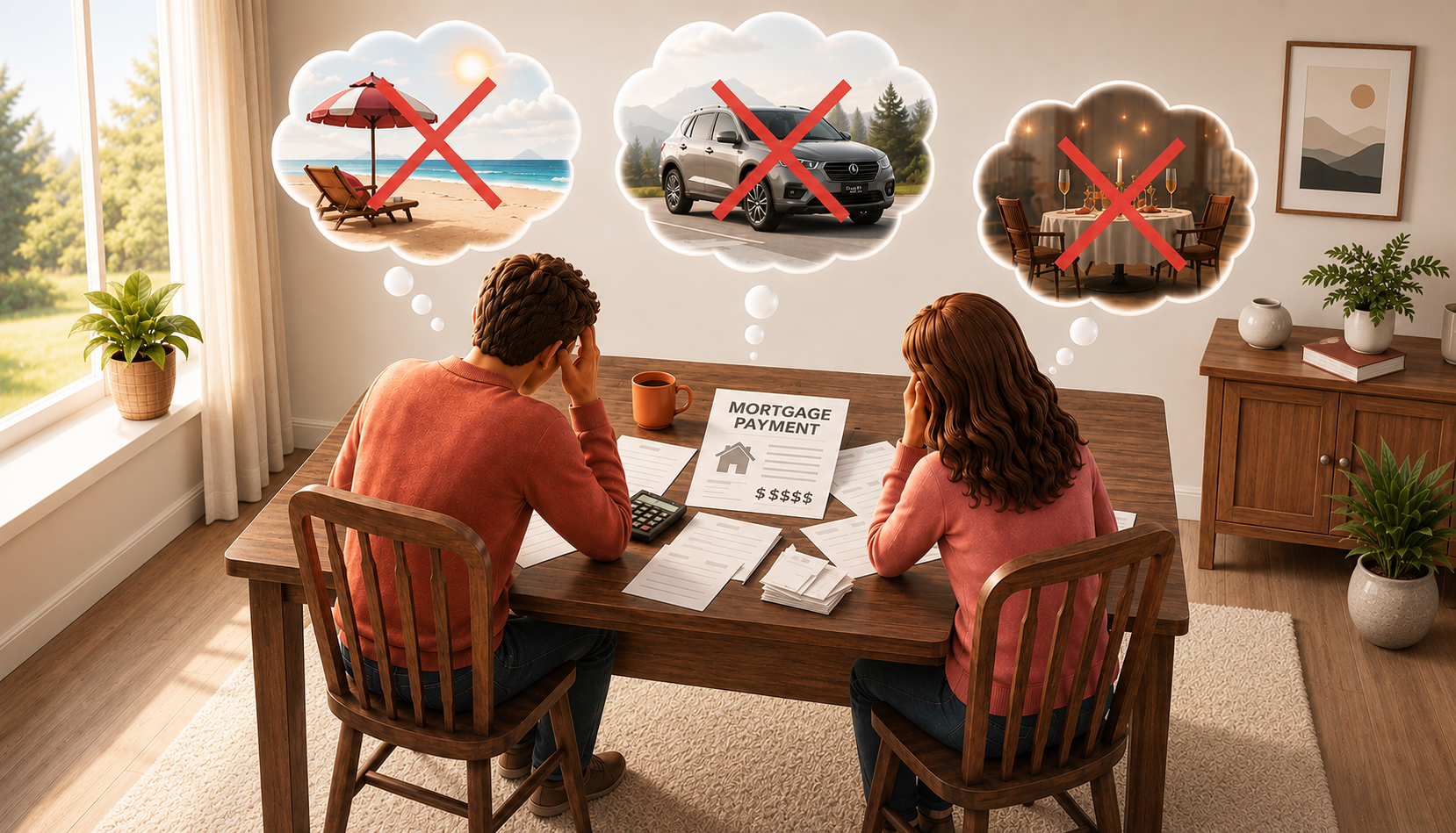
Personal debt shrinks the mortgage you may qualify for—every extra $100 in monthly payments can reduce total loan amount by $15,000–$20,000.

An overview of important considerations when applying for a mortgage as a single parent.

BoC overnight lending rates remain unchanged, but higher gas prices, new U.S. tariffs, and a slowing economy could shape what's next for Canadians.

Canada's mortgage renewal wave has nearly half of homeowners spending 50%+ of monthly outgoings on housing; younger Canadians and newcomers most strained.
Reverse mortgages can unlock home equity for older Canadians but be aware of risks and high borrowing costs.

Home sellers in Canada must disclose latent defects, hidden property issues, and potential legal risks.