Choose an Insurance Quote
How to insure your teenage driver


Watching your teen get their licence is a proud moment for any parent or guardian. It can also be a stressful one, especially since car insurance for young drivers is expensive in Canada. If you’re wondering when your teen needs insurance, how to add them to your policy, or whether they should have their own, here’s everything you need to know.
KEY FINDINGS
- Contact your provider early. Inform your insurance provider as soon as your teen secures their driving licence to avoid risk of claims being denied.
- Add teens to existing auto coverage. This option costs less than a separate policy.
- Explore ways to save on teen car insurance. Driver training, student discounts, vehicle choice, higher deductibles, and policy bundling are ways to drive down costs.
When can a young driver start getting insured?
A young driver can only be listed on an insurance policy once they have a valid driver’s licence. In all provinces and territories, with the exception of Nunavut, teens start to obtain a driving licence via a graduated licensing system. In Ontario, for example, that means a G1, then G2, followed by a full G licence on completion of required tests.
Each licence level has different insurance inclusion rules:
- G1 drivers: They can be listed on a parent or guardian’s policy as a learner. They cannot have their own policy because they must drive with a fully licensed driver.
- G2 drivers: At this stage, they can be added to a parent’s policy as an occasional driver or, in some cases, take out their own policy.
- Fully licensed drivers: They can have their own policy if they own a vehicle.
Every insurer has its own rules, which is why you should let your insurance company know as soon as your teen gets their licence in order to ensure proper coverage and avoid any hassles. If your teen is driving your car and isn’t listed on your policy, a claim could be denied.
No matter what, if your teen is licensed and has access to your car, your insurer needs to know.
Options for insuring your young driver
There are two main ways to insure a teen driver. You can either add them to your existing policy, or have them take out their own policy.
Adding them to your existing policy is the most common option. Your teen will be listed as an occasional driver on your policy. This means they drive the car sometimes, but they aren’t the primary driver. The parent remains the main driver on the vehicle.
This option often costs less than a separate policy because:
- The vehicle is already insured.
- The parent’s driving history helps balance the risk.
- You may already have multi-vehicle or multi-policy discounts.
However, if your teen is actually the main driver of the car, they should be listed as the primary driver. Misrepresenting who drives the car most can be considered insurance fraud.
The other option is to have your teen purchase their own policy. If they have their own car, they’ll need their own policy.
This is usually the most expensive option. Young drivers are considered high risk because they have little experience behind the wheel. According to the Canadian Association of Road Safety Professionals, young drivers are more likely to be involved in fatal collisions compared to older, more experienced drivers.
If your teen moves out, buys their own car, or needs their own coverage for other reasons, a separate policy may make sense. Just be prepared for a higher premium.
Related: Buying a car for your teen? Here’s what to know
How much does it cost to insure a teenage driver?
There is no one-size-fits-all answer to the cost of car insurance for teen drivers. Insurance premiums depend on a number of factors, including:
- Age and gender
- Driving record
- Type of vehicle
- Postal code
- Coverage level
That said, adding a teen driver can significantly increase your premium. In some cases, annual auto insurance costs for parents could rise by thousands of dollars.
Having your teen take out their own policy is often even more expensive. As a new driver with no insurance history, they don’t qualify for loyalty or claims-free discounts.
Teen insurance rates also reflect overall risk trends. For example, serious traffic violations and dangerous driving behaviours affect premiums across the board.
Read more about teen driving trends in our latest Dangerous Driving Report.
Ways to save on teen car insurance
While insurance for teen drivers is expensive, the good news is there are ways to lower costs.
1. Enroll in a recognized driving school
Many insurers offer discounts if your teen completes an approved driver education course. In Ontario, that means a Ministry of Transportation-approved Beginner Driver Education course.
Driving school can:
- Help your teen become a safer driver
- Shorten the wait time between licence levels
- Reduce insurance premiums
Completing an approved driver education course is often one of the easiest ways to save on insurance costs.
Read more: How much does driving school cost in Ontario? | Rates.ca
2. Look for good student discounts
Some insurers offer discounts for students with good grades. If your teen maintains a certain average, you may qualify for a lower rate. Ask your broker or insurer what proof is required. Usually, a recent report card is sufficient.
3. Choose the right vehicle
A sporty car with a powerful engine will cost much more to insure than a modest sedan or small SUV. If you are buying a vehicle for your teen, get insurance quotes first. Choosing a safer, lower-risk vehicle can add up to big savings.
4. Increase the deductible
Choosing a higher deductible can lower your monthly premium. Just make sure you could afford to pay that amount out of pocket if there is a claim.
5. Bundle policies
If you have home and auto insurance with the same company, you may qualify for a bundle discount. Adding your teen as an occasional driver could still allow you to keep those savings.
6. Encourage safe driving habits
A clean driving record is one of the most important factors in keeping your insurance rates down, especially for teen drivers. Just one ticket or at-fault collision can raise their premiums for years down the road.
Talk to your teen about:
- Avoiding distracted driving
- Following speed limits
- Never driving under the influence
Safe habits now can protect both their safety and your wallet.
Should your teen build their own insurance history?
Some families choose to have their teen listed as an occasional driver so they can start building an insurance record.
Over time, this claims-free driving history can help them qualify for better rates when they eventually move to their own policy. It is a long-term strategy that can pay off.
Speak with a broker about your options
Every family’s situation is different. Maybe your teen shares a car with a sibling. Maybe they are heading to university in another city. Maybe they only drive in the summer.
A licensed insurance broker can:
- Compare quotes from multiple insurers
- Explain coverage options in plain language
- Help you find discounts you may not know about
- Make sure your policy reflects who is actually driving
Teen auto insurance is expensive, but the right setup can prevent costly mistakes later. Before your teen hits the road, take the time to review your coverage and explore options. A quick conversation with a broker to compare coverage could save you money and give you peace of mind.
Don't waste time calling around for auto insurance
Use Rates.ca to shop around, and compare multiple quotes at the same time.

Caitlin McCormack
Caitlin McCormack, Freelance writer
Caitlin McCormack is a writer based in Toronto. Her work has appeared in MSN, Food Network, HuffPost, What to Expect, Today's Parent, and Mashable, among others. When she isn't writing, she's busy chasing after her two sons, testing out new recipes, and working on her century-old fixer-upper.
Featured Topics
Here's what Ontario drivers need to know about consequences of driving uninsured or getting injured in a collision without insurance.
While dealers clear inventory in the fall, best car deals depend on vehicle demand, supply stock, and when the next model year arrives at dealerships.
Eastern Ontario dominates Ontario's cheapest car insurance markets, with annual premiums starting at $1,824 in 2026.
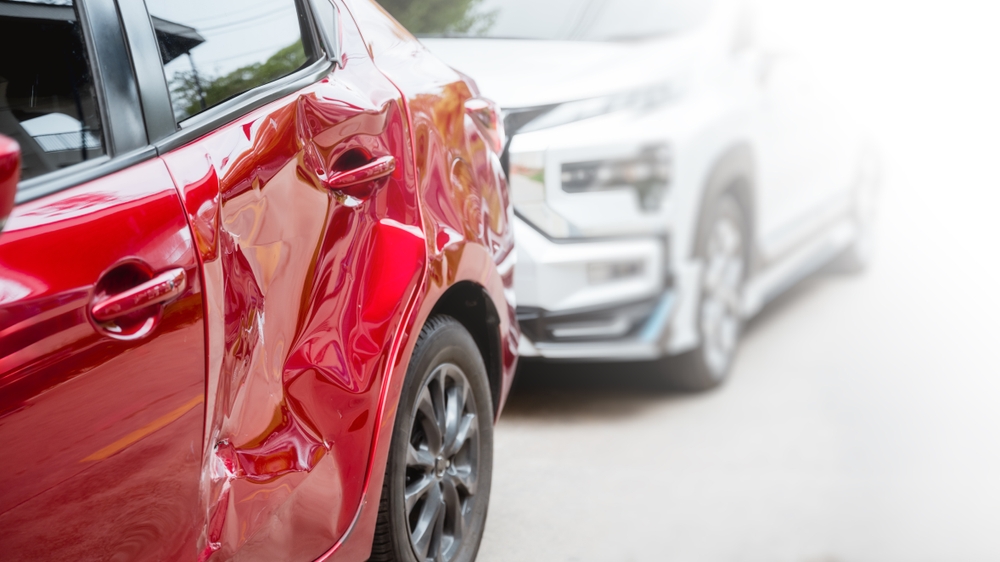
Colour of your car won't change your auto insurance rate but could impact vehicle repair costs and resale value.

How 'Dieselgate', stricter emissions rules, and changing economics reshaped Canada's passenger vehicle market away from diesel.
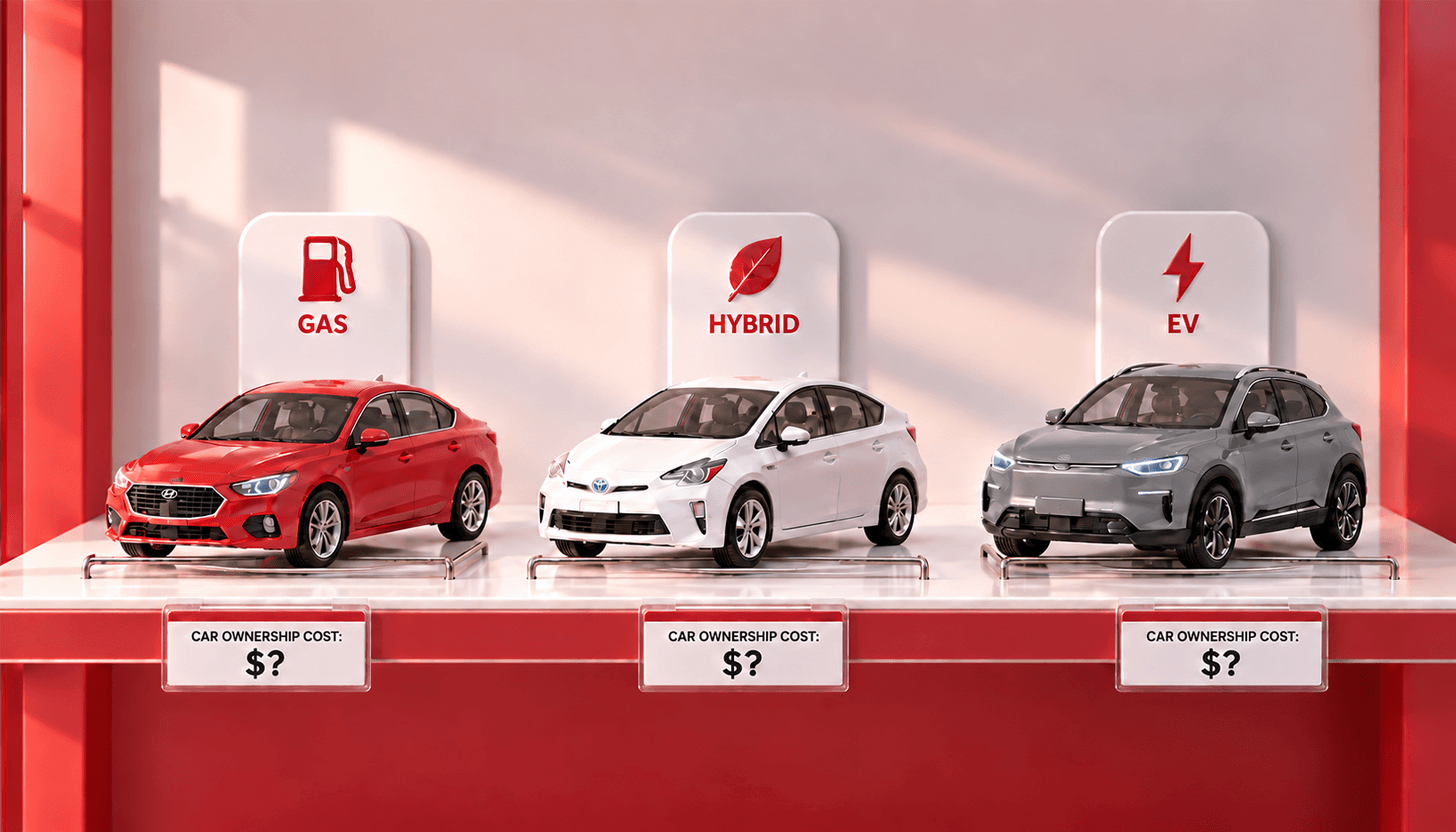
Premium gas costs nearly 30¢ more per litre than regular, meaning drivers whose vehicles don't require it could save $400 to $700 a year at the pump.
CEO of Rates.ca, Igal Mayer explains how Covid-era price increases reshaped the auto market and what could bring costs down for consumers.
Accident forgiveness is an extra layer of protection for drivers at fault in their first collision; and helps prevent an increase in premiums.
Adaptive driving equipment won't always raise your car insurance premium, but disclosure of changes that could impact a car's value is mandatory.