Choose an Insurance Quote
Potholes, landslides, and road debris: Who pays for the damage to your vehicle?

This article was updated in February 2026.
MAIN TAKEAWAYS
- Potholes are caused by big fluctuations in weather temperature: Water seeps into the cracks of cement, freezes and worsens the cracks, and thaws, which leaves behind large holes and loose debris.
- In addition to wearing down your tires faster, potholes can cause major damage to your car's exhaust pipes, suspension and wheel alignment, as well as the battery trays in electric vehicles.
- Typically, pothole damage is covered under collision or all-perils insurance coverage. However, you will be responsible for paying the deductible on the policy.
- Many municipalities can also compensate you for pothole damage repair, if your vehicle and the pothole itself have met specific eligible criteria.
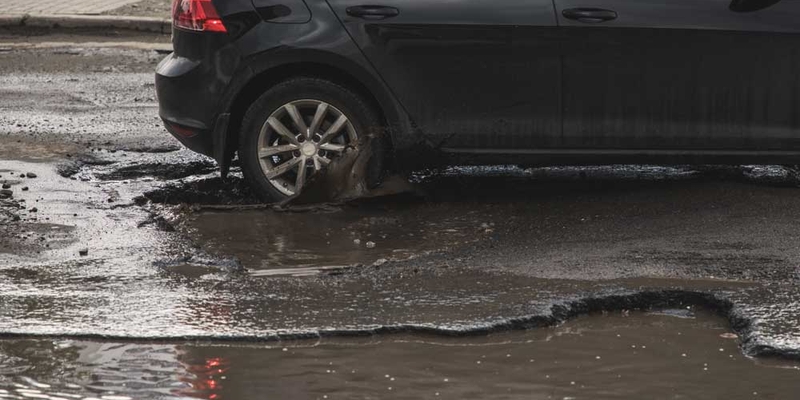
Ever wonder why potholes just seem to pop out of nowhere? It seems to happen every year. You’re driving along, then your car either hits a pothole or is hit by loose cement.
It's getting worse year by year, especially with the erratic temperature changes and sudden unexpected snowstorms brought on by climate change. During the freeze-thaw cycle, water seeps into the sub-base beneath the top layer of asphalt. This water freezes, widening cracks, and then thaws, leaving behind holes and loose debris. Depending on where you live in Canada, you may have encountered more potholes on the roads this past winter. As of late February 2026, there have been 47% more compensation claims filed to the City of Toronto for pothole damage than the same period last year — and far fewer potholes fixed by the City.
And potholes aren't just minor bumps in the road. Drive over enough of them, and you could find yourself with a busted exhaust pipe, tears in your tires, or even damage to your car's suspension and wheel alignment. The battery encasements in electric vehicles are also extra vulnerable to saltwater corrosion and dents, making potholes their very worst enemy.
So then, there’s damage to your car. Now, who’s responsible for fixing it?
Potholes
If your car is damaged due to a pothole, your auto insurance will cover it if you have collision or all-perils coverage.
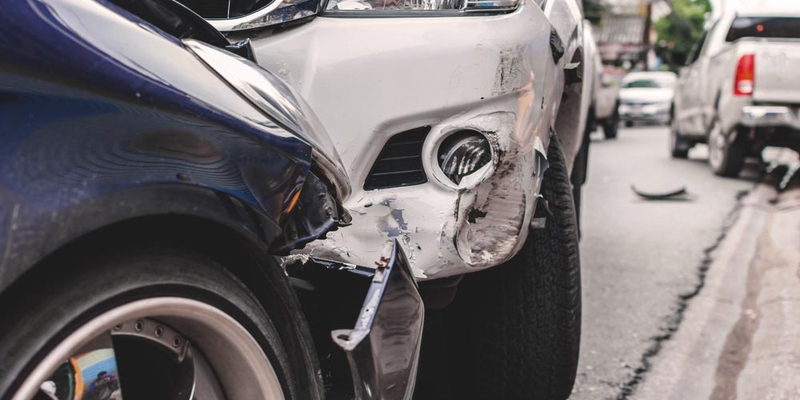
Collision insurance helps cover the cost of damage to your vehicle if it’s in an accident due to hitting another car or hitting an object like a streetlight, road sign, a curb or, yes, a pothole.
All-peril insurance is like the name says. It covers most damage or loss except those specified as exclusion in your policy.
However, collision and all-perils insurance isn’t mandatory in most provinces (the exceptions being Manitoba and Saskatchewan). If you don’t have either of these coverages, you’ll be responsible for any repairs to the chassis or any other part of the car.
If you do have collision or all-perils insurance, you’ll have to pay the deductible on your policy first, which could, for some, cost up to $1,000.
Learn more: How to choose your auto insurance deductibles
Loose or flying road debris
Potholes aren’t the only material risks on the road. Loose debris can damage your car whether it’s gravel, ice, stones or a piece of another car. If your vehicle is damaged, your comprehensive auto policy, which covers most damage that is beyond your control (like auto theft, or falling trees), should cover the repair.
What about landslides, floods or mudslides?
Over the last few years, floods have become more severe across Canada, with notably bad storms washing out streets and highways in West Vancouver, across the Greater Toronto Area, Nova Scotia, and areas in between.
Floods can create short- and long-term damage to cars by causing havoc to the engine and electrical parts, corroding the undercarriage, and spreading unsafe mold and water damage to the interior of the car.
Thankfully, if your vehicle is damaged due to any of these disasters, your comprehensive insurance policy should cover them.
Related: Is rustproofing your car worth the added cost?
City compensation
Can you get some compensation from the city, town or municipality for repair costs to your vehicle as a result of a pothole? The short answer is yes, but the process doesn’t usually favour the claimant.
For example, the City of Toronto says it’s not responsible for damage to your vehicle if it’s met the “Minimum Maintenance Standards for Highways in the City of Toronto” (MMS).
What that means is if a pothole wrecks your car, don’t expect the City to cut you a cheque if the pothole was within the allowed size for the class of road.
For example, in order to claim damage, the pothole measurement size should be more than eight centimetres deep or 1,000 cm² in surface area on roads and is proven to have been neglected for a long time. (Typically, repair time ranges between four to 30 days depending on the ranking of the road. Highways will get fixed in the shortest period of time and smaller side roads with low traffic will take longer.)
In addition to making sure your claim is actually eligible for compensation, you have to put in your claim within 10 days of the incident.
When is it worth having collision and comprehensive insurance?
Most people have both so they don’t have to pay for all the damage out of pocket which can get very expensive.
If you make a claim on your policy if you struck an object that is sitting on the road (like an animal, or a big chunk of debris), it will be a collision claim and deemed ‘at-fault’ by your insurance company. That claim stays on your record for at least six years, and your rates may increase when it’s time to renew.
However, if you’re driving, and an item flies into your car, that would be a perfectly acceptable comprehensive claim.
What is covered by collision and comprehensive insurance?
| Collision insurance | Comprehensive insurance |
| You hit another car | Theft or attempted theft
|
| If you hit a stationary object like a guardrail, pothole, streetlight. | Vandalism |
| Your car rolls over | Weather and natural disasters like floods, hurricanes, tornadoes, lightning, hail, |
| Flying objects like rocks and gravel | |
| Fire | |
| Falling objects like tree branches | |
| Earthquakes and tornadoes |
In all cases, if the cost of the damage is less than your deductible, you should consider paying for it out of pocket. This way, you’ll avoid a premium increase on renewal, as well as any other long-term effects of making a claim.
If your car is older and not worth very much, but the damage is significant, you can consider writing off the cost of the car instead of making a claim on your policies. If the cost of your annual premiums exceeds the total value of the car, you might even pare down those additional coverages and opt for just a liability-only policy.
Weather events can severely affect your driving environment. If you must go out in treacherous territory, make sure you’re driving carefully and defensively. Thankfully, however, you have options if your car is damaged.
It comes down to the value of your car and weighing the costs to repair the damages with that of any potential increases to your premium.
Read next: Your car may be worth less after an accident: Learn about diminished value
Don't waste time calling around for auto insurance
Use Rates.ca to shop around, and compare multiple quotes at the same time.

Renee Sylvestre-Williams
Renee Sylvestre-Williams, Freelance writer
ReneeSylvestre-Williams is a finance and business reporter. In her more than 10 years of journalism, her work has been published in the Globe and Mail, Flare, Canadian Living, Canadian Business, the Toronto Star and Forbes. She also publishes a biweekly newsletter,The Budgette,where she providesfinancial educationfor single earners.
Featured Topics
Care-First 2027 ends Alberta’s auto insurance rate cap. Projects $300 in avg. savings, encourages comparing rates, shifts focus from courts to care.
Here's what Ontario drivers need to know about consequences of driving uninsured or getting injured in a collision without insurance.
While dealers clear inventory in the fall, best car deals depend on vehicle demand, supply stock, and when the next model year arrives at dealerships.
Eastern Ontario dominates Ontario's cheapest car insurance markets, with annual premiums starting at $1,824 in 2026.
Colour of your car won't change your auto insurance rate but could impact vehicle repair costs and resale value.

How 'Dieselgate', stricter emissions rules, and changing economics reshaped Canada's passenger vehicle market away from diesel.
Premium gas costs nearly 30¢ more per litre than regular, meaning drivers whose vehicles don't require it could save $400 to $700 a year at the pump.
CEO of Rates.ca, Igal Mayer explains how Covid-era price increases reshaped the auto market and what could bring costs down for consumers.
Accident forgiveness is an extra layer of protection for drivers at fault in their first collision; and helps prevent an increase in premiums.