Choose an Insurance Quote
Best balance transfer cards in Canada


Key takeaways
- Balance transfer cards allow you to roll all your credit card debt onto one card and pay only 0% to 3% interest on the transferred balance for between six to 12 months, instead of normal bank rates, making them a useful tool for tackling debt.
- Before switching to a balance transfer card, people should look closely at the terms of the card, including introductory rate, promotional period, transfer fees, and post-promotion rate.
- While they can be a useful debt instrument, balance transfer cards can also enable more debt accumulation if the cardholder doesn't pay back their transferred debt and/or continues to use their other credit cards.
- People with serious or insurmountable debt are recommended to seek support from credit counselling agencies.
As the cost of living rises, many Canadians are leaning on credit to make ends meet or to maintain their standard of living.
In the second quarter of 2025, the average consumer carried $22,147 in non-mortgage debt, and nearly 1.4 million Canadians missed a credit payment, according to the credit bureau Equifax.
Much of that debt sits on credit cards, and for good reason: they’re convenient to use and relatively easy to obtain. But they’re also one of the most expensive forms of consumer financing, with typical annual interest rates ranging from 10% to 25%.
For those who carry a balance from month to month, however, credit card debt can quickly snowball.
If you’re burdened by mounting credit card bills, balance transfer credit cards can offer a temporary lifeline in the form of lower interest rates and extra time to get your financial house in order. Used wisely, they can be an effective tool for managing debt and paying off balances faster.
How balance transfer credit cards work
The defining feature of a balance transfer card is its low-interest introductory offer: for a limited time, the cardholder can move debt from existing accounts onto the new card and pay as little as 0% to 3% interest on the transferred balance.
In most cases, the debt being moved is from one or more of the cardholder’s other credit cards.
These promotional rates typically last six to 12 months after the card is issued.
When the offer expires, no further balances can be transferred, and the interest rate on the transferred balance rises — usually to the card’s regular purchase rate, often between 10% and 25%.
A one-time transfer fee also applies, typically 1% to 5% of the amount transferred.
Learn more: A guide to Canadian credit card tiers: MasterCard vs. Visa | Rates.ca
The benefits of switching to a balance transfer card
The potential savings of switching to a low-interest balance transfer card can be substantial.
For example, carrying a $1,000 balance on a card with a 20% annual interest rate costs about $200 in yearly interest.
The same balance transferred to a card with a 1% promotional rate and a 1% transfer fee would cost about $20 in total — a savings of $180.
The savings only grow with larger transfers, roughly $900 on a $5,000 balance or $1,800 on $10,000.
Using a balance transfer card to consolidate multiple credit card balances can also simplify debt management by reducing the number of minimum payments and due dates to track.
Finally, balance transfer cards can buy consumers time to get organized.
“A balance transfer card can give you a bit of breathing room,” says Stacy Yanchuk Oleksy, CEO of Money Mentors, a credit counselling agency based in Calgary. “It buys you some time to figure out what’s going on with your finances and, ideally, to come up with a plan to pay off your debt.”
What to look for in a balance transfer card
When evaluating a balance transfer card, consider the following factors:
- Introductory interest rate: Rates of 1% to 3% are typical.
- Promotional period: A longer term offers greater savings and flexibility when paying off the balance. Nine months from the date of issue is common.
- Balance transfer fee: Issuers charge up to 5% of the transferred amount, though 1% to 3% is more common. This fee is added to your balance and accrues interest.
- Transfer window: Some cards allow transfers for as long as the introductory rate applies, while others set earlier deadlines—often within 90 days of opening the account.
- Post-promotion rate: Know the rate that will apply to any unpaid transferred balance once the promotional period ends.
Related: Which credit card program in Canada is the best for you?
The risks of balance-transfer cards
Despite their advantages, balance transfer cards can enable further debt if misused. Here are a few risks of switching to a balance transfer card.
They may help you create more debt
Balance transfer cards are meant to help you pay off existing debt, not free up space to accrue more debt. But sometimes, it can lead to that.
“The problem comes when you transfer a balance to a new card but continue to use your old card,” says Yanchuk Oleksy.
The same risk applies when making new purchases on the balance transfer card before the existing debt is paid off. In some cases, consumers take out one balance transfer card to pay off another—without addressing the underlying causes of their debt.
The perks last as long as you can make regular payments
Promotional rates apply only if the account remains in good standing. Miss one or two minimum payments, and your transferred balance will immediately accrue interest at the standard rate for balance transfers — often the same as the purchase rate, typically between 13% and 28%.
Note that balance transfer fees are non-refundable, even if you lose the promotional rate shortly after opening the card.
They come with finicky fine print
Before signing up for a balance transfer offer, review the full cardholder agreement on the issuer’s website. Pay special attention to the sections on interest rates and payment terms so you don’t end up voiding the introductory offer.
You should also check how payments are applied. Some issuers distribute payments proportionally among different balances, while others apply payments to transferred balances first. In that case, new purchases or cash advances may continue to accrue higher interest until the transferred balance is cleared.
Balance transfer cards are a tool — not a solution
Balance transfer cards can help reduce the cost of carrying debt, but they’re not a cure-all. Real progress comes from addressing the root causes of debt, developing a repayment plan, and sticking to it.
“A balance transfer card might be the right option when you’re facing a temporary financial issue and you have a plan to get out of your debt,” Yanchuk Oleksy says.
But unless you use it diligently, a balance transfer credit card could help you fall deeper into debt rather than climbing out of it.
Yanchuk Oleksy advises seeking help at the first sign of trouble. Members of Credit Counselling Canada, an association of non-profit credit counselling agencies, offer free confidential consultations and additional services for a nominal fee, which may be waived for clients unable to pay.
The best balance transfer cards in Canada
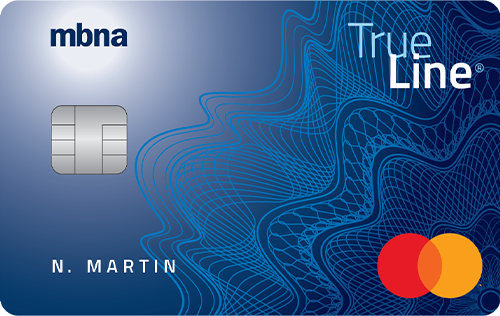
MBNA True Line Mastercard
Named the Best Balance Transfer Card of 2025 by Rates.ca, the MBNA True Line Mastercard offers a standout offer: a 0% annual interest rate for 12 months on balance transfers made within 90 days of opening the account. A 3% transfer fee applies. The card has no annual fee and carries a low 12.99% rate on eligible purchases.
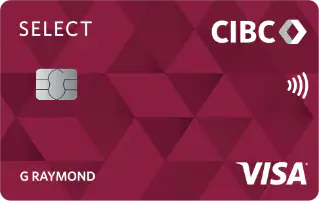
The CIBC Select Visa
This card offers a 0% promotional rate on balance transfers for the first 10 months, with a transfer fee of just 1%. Transfers are limited to half of the approved credit limit, and the card’s $29 annual fee is rebated for the first two years. The regular purchase rate is 13.99%, and cardholders can earn discounts on gasoline at select retailers.
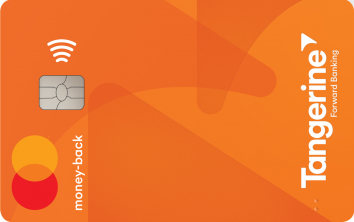
Tangerine Money-Back Credit Card
Ideal for consumers with lower credit scores—who may have difficulty qualifying for premium offers — the Tangerine Money-Back Credit Card offers a 1.95% promotional rate on balance transfers for six months, with a 1% transfer fee. The card also includes zero-liability fraud protection, extended warranty coverage on purchases, and up to 2% cash back on select spending categories. There’s no annual fee.
Compare the best credit cards on Rates.ca
Find the best credit card for your lifestyle today!

Ian Portsmouth
Ian Portsmouth, Freelance writer
Ian Portsmouth is an award-winning writer, editor and media executive. He is a former editor-in-chief of PROFIT and Engineering.com, and past publisher of Canadian Business, MoneySense and Canadian Underwriter. His editorial work has been recognized for excellence by the National Magazine Awards Foundation, Canadian Society of Magazine Editors, Canadian Business Press and American Society of Business Publication Editors.
Featured Topics
Gas credit cards can save you hundreds of dollars a year by leveraging stacking options of reward programs.

Services like Plastiq and Rentmoola allow you to pay bills – and even rent – with your credit card. But should you? We break down the pros and cons of paying for more with your plastic.

With the loonie so low, is it a good idea to open a U.S. dollar bank account? Depending on your needs, it could save you on exchange fees. You also won’t have to ever worry about converting funds…

Grocery prices are going up 4-6% in 2026. Learn the best credit cards for grocery store purchases and rewards to make your money count.

Closing a credit card may feel like the right thing to do, especially if you find yourself overspending. But before getting out the scissors, understand the risks, and follow the right steps to make a clean cut.

Before you purchase optional insurance for your rental car, check your credit card, as it may already offer coverage for rental cars. Here are our picks for the best credit cards for rental car insurance in Canada.

Get a quick-and-dirty reference guide for the different tiers of Canada’s most popular credit cards.

Which credit score or credit report should you get in Canada?

Buying Canadian isn’t just satisfying—it’s a good way to dodge import tariffs. The right credit card makes spending more rewarding, with perks like cashback, points, or local discounts.