Choose an Insurance Quote
5 expenses that will cost Canadians more in 2026


QUICK TAKEAWAYS
- Food prices are expected to rise by 4% to 6%, with a typical family of four spending nearly $995 more on groceries in 2026. Dining out will also become more expensive.
- Mortgage renewals will hit homeowners hard as historically low pandemic rates are replaced by higher current rates.
- Home and auto insurance premiums are set to climb further, driven by climate-related disasters, inflation, and geopolitical factors.
After a year of tariff-related job losses, lingering trade uncertainty, and a housing market stuck in neutral, Canadians are stepping into 2026 with cautious optimism.
While the economic landscape remains uncertain, one thing is clear: certain expenses are set to climb, making it more challenging to balance household budgets.
From the grocery store to your monthly bills, these increases will touch many aspects of daily life. Knowing where to expect these changes can help you plan ahead and make informed financial decisions.
Here are five areas where your money might not go as far this year.
1. Groceries and dining out
Canadians should brace for higher food bills in 2026, as grocery and restaurant prices continue their upward climb.
“Food inflation is probably the biggest component,” says Roslyn Kunin, an independent consulting economist and principal of Roslyn Kunin and Associates, Inc.
It’s not just about rising costs, it’s about the reality that many households are already stretched thin. Cities are reporting record numbers of even employed people turning to food banks. According to Food Banks Canada, in March 2025, there were nearly 2.2 million visits to food banks in Canada, the highest number in history.
The latest Canada Food Price Report forecasts overall food prices to rise by 4% to 6% this year. In 2026, a typical family of four is projected to spend about $17,572 on food, nearly $995 more than last year for the same amount of groceries.
Dining out will also become more expensive, with the report showing that restaurant prices are also projected to climb 4% to 6%, reflecting higher food costs and staffing challenges.
This leaves many business owners and workers in what Kunin calls a “horrible paradox”: inflation coinciding with a sluggish economy and difficulty filling service jobs.
While there’s not much to do about overall food inflation, she urges Canadians to shop — and plan — smart to soften the sticker shock.
“Read menus from right to left,” she says. “Look at the prices of everything.” She recommends that Canadians seek out bargains at discount or smaller stores rather than sticking rigidly to shopping lists.
Read more: 3 easy-to-use apps that can save you money on groceries in Canada
2. Mortgage renewals
Canada’s housing market is expected to post modest gains next year as more buyers return. Royal LePage’s Market Survey Forecast predicts prices will remain largely flat, rising just 1% year over year to an average of $823,016 country-wide by the fourth quarter of 2026.
Sales activity is also expected to pick up as sidelined buyers re-enter the market.
However, even for those not on the market, the real financial strain for many homeowners will come from mortgage renewals, especially those with five-year fixed-rate mortgages, the most popular type in Canada. By the end of 2026, an estimated 60% of all outstanding mortgages will have been renewed, according to a Bank of Canada report
Many of these borrowers who locked in historically low rates during the pandemic will likely be hit hardest when renewing at today’s higher rates.
The Bank of Canada estimates that five‑year fixed‑rate borrowers renewing in 2026 could see payments rise by 15% to 20%, adding hundreds of dollars to monthly costs for many households.
Read next: What type of mortgage and term should you get?
3. Home and auto insurance
Insurance premiums are another area where you can expect to see an increase. According to Statistics Canada, in October 2025, home and auto insurance rates saw notable hikes of 6.8% and 7.3%, respectively. This upward trend is likely to persist into 2026.
“Premiums are always going up. The question is how much they are going up,” says Rates.ca insurance expert Daniel Ivans.
Several factors are fueling these hikes. Ivans points to factors like climate-related disasters like floods, wildfires, and severe storms, which have become more frequent and costly. Other pressures include tariffs, inflation, and the impact of the geopolitical landscape.
That’s why Ivans advises Canadians to do all they can to keep insurance costs manageable: "Prevent claims, maximize discounts,” he says.
He recommends Canadians to take steps like reinforcing roofs and clearing gutters to reduce flood and storm damage—and for drivers, maintaining safe driving habits, avoiding distractions, and considering winter tires to lower accident risk (and take advantage of a winter tire discount, which could save you 5% on your car insurance).
Ivans also recommends asking brokers to review every possible discount, including employee programs, retiree benefits, group memberships, and more.
“Do as much discount farming as you possibly can.”
Related: Here are the changes coming to Ontario auto insurance in 2026
4. Transportation
Getting around will cost more in 2026, whether you’re driving or taking transit.
For example, rental car prices are set to rise in Canada next year. According to the American Express Global Business Travel report, rates are predicted to increase by 2.5% to 3% in 2026, driven by steady demand and lingering supply challenges.
Public transit fares are going up too. In Montreal, riders will see a 3% increase starting July 1, 2026. Ontario commuters face similar hikes: OC Transpo fares in Ottawa rose by 10 cents at the start of the year, and Mississauga’s MiWay fares increased across the board, with adult PRESTO fares now $3.50, youth fares $2.90, and cash fares $4.50.
Combined with higher auto insurance premiums, fluctuating fuel prices, and more Canadians returning to the office under newly implemented return-to-office mandates, transportation is set to take a bigger bite out of household budgets this year.
Read more: Cheap(er) car insurance: Strategies to save money
5. Services and labour
A tight labour market is contributing to what experts call wage inflation.
"We have serious labor shortages at all levels of our labor market," explains Kunin. "So that is going to push up wage inflation which increases the costs for employers and they will pass that on in their product and services."
At the same time, the Bank of Canada sees signs of improvement. The central bank points to solid job gains in the fall and a drop in the unemployment rate to 6.5% in November, evidence that pressure on employers is easing compared to earlier in the year.
That being said, this shortage isn’t disappearing anytime soon. In Q3 2025, Canada recorded 492,500 job vacancies, according to Statistics Canada. That’s the 13th straight quarterly decline from the pandemic peak of nearly 986,000, but the labour market is still tighter than before COVID-19, meaning employers are still competing for talent.
“Finding people to fill minimum-wage jobs, whether they’re in coffee shops or things like that, is very, very difficult,” Kunin says.
Sectors like construction, health care, and hospitality are among the hardest hit. For consumers, that translates into higher prices, whether you’re hiring a tradesperson, booking a haircut, or getting your car repaired.
As Canadians navigate the financial challenges of 2026, it’s clear that rising costs in essential areas like food, housing, insurance, transportation, and services will test household budgets.
While these increases may feel overwhelming, being proactive and informed can make a difference. By planning ahead, seeking out savings where possible, and adjusting spending habits, you can better manage the financial pressures of the year.

Aya AlHakim, Data reporter
Aya Al-Hakim is a data reporter with Rates.ca. Previously, she worked as an online journalist, reporting on a wide range of topics including business, politics, and health. Her work has been featured in Global News, CBC, Yahoo Lifestyle Canada and Canadian Business.
Featured Topics
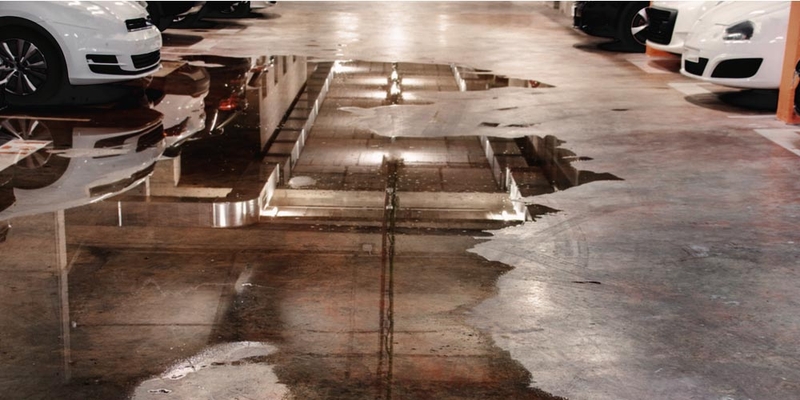
How to reduce risk of your car getting caught in an underground parking garage flood and details on your insurance coverage options.
With only 13% of Canadians open to buying autonomous vehicles, experts expect adoption to begin through ride-hailing services before widespread ownership.

Rising auto theft could increase car insurance rates for everyone. Follow these tips to prevent your vehicle from being stolen.

Save on car insurance in 2026 with proven strategies like bundling policies, usage-based programs, higher deductibles, and comparing quotes annually.

Only use your vehicle a few months of the year? Explore different types of seasonal car insurance options available.

Cyclists in Ontario can be at fault in a road accident. While insurance isn’t required, cyclists have multiple options to cover expenses from a road accident.

A look at real-life scenarios of how Ontario’s July 1 auto insurance reforms will impact everyone involved in a road accident as coverage becomes optional.

A helpful primer on licence plates required to drive in Ontario and how they’re used to identify vehicles involved in accidents, traffic violations, or crimes.
Insurance costs in Canada vary sharply by fuel type, with diesel trucks proving cheapest to insure and electric vehicles the most expensive.