Choose an Insurance Quote
Watch out for these winter road perils

QUICK TAKEAWAYS
- Avoid snow drifts to prevent damage to your car’s bumper, undercarriage, and exhaust system, and reduce risks like carbon monoxide buildup.
- Keep a safe distance from snow ploughs and avoid parking on sidewalks or streets during heavy snowfall to prevent fines and damage.
- Prepare for winter driving with essentials like winter tires, an emergency kit, and proper visibility by clearing snow and ice from your vehicle.
For drivers, winter in Canada means icy roads, poor visibility, and unpredictable conditions that demand extra caution.
Beyond the usual advice like installing winter tires and slowing down, there are specific hazards that can damage your vehicle or compromise safety. Knowing these risks is the first step toward protecting yourself, your passengers, and your car this season.
Let’s break down the most common winter perils and how to avoid them.
The hidden dangers of snow drifts
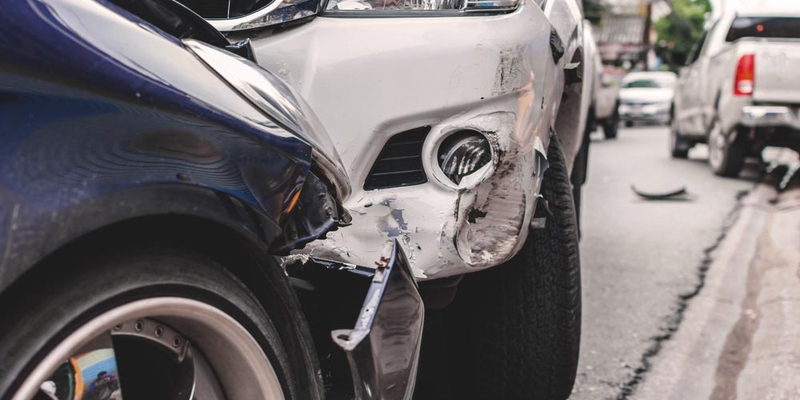
A snow drift is a mound or ridge of snow formed by wind, which can become as hard as ice. It may look harmless but driving into one can mimic the impact of a low-speed crash. Vulnerable areas include:
- Bumper and grille: Plastic components can crack or break.
- Undercarriage: Impact can misalign wheels or damage suspension parts.
Getting stuck in a snowdrift creates additional risks:
- Transmission strain: Excessive tire spinning can overheat your transmission.
- Moisture damage: Melting snow can infiltrate electrical systems or exhaust components, leading to rust or malfunctions.
- Blocked tailpipe: If snow obstructs your exhaust, carbon monoxide can accumulate inside the cabin, making it a life-threatening hazard.
Read more: How to get your car ready for winter and avoid road emergencies
When snow ploughs and cars collide
Snow ploughs are a winter necessity, but they’re big, heavy, and hard to maneuver. A run-in with one can do serious damage to your car.
What if a snow plough hits your parked car?
In most cases, your comprehensive or all-perils insurance will cover the damage—if you have that coverage. The process usually involves taking photos, filing a police report, and contacting your insurer to approve the claim. You will also be expected to pay your deductible.
You can file a damage claim with the City of Toronto, and municipalities like Mississauga and Ottawa offer similar options. Most require written notice within 10 days, and cases can take time to review.
What if you’re driving and get hit by the snow plough?
If you collide with a plough while on the road, fault is determined like any other accident. This is why the safest move in this situation is to keep your distance and drive with extra caution. Ploughs are huge and can’t stop or turn easily. Never pass on the right and stay well back to avoid flying snow and chunks of ice.
Read next: How to afford and care for winter tires?
The risks of sidewalk and street parking
Finding a safe parking spot during winter can be tricky and choosing the wrong one can cost you. After heavy snowfall, both sidewalk and street parking come with hidden dangers.
Sidewalk parking means putting your car on the pedestrian walkway. This is almost always illegal and unsafe. It blocks foot traffic and can force pedestrians onto icy roads, creating liability risks. Sidewalk ploughs can dent panels or rip off mirrors, and street ploughs can bury your car in snow.
Street parking means leaving your car along the curb in legal spots. Even then, winter adds hazards: ploughs can sideswipe your car or trap it under heavy snow, hiding damage and making it hard to dig out. For example, in Mississauga, parking on the street during a declared citywide winter parking restriction can cost you a $150 fine.
Always check for winter parking bans before leaving your car overnight.
Other winter hazards to watch for
Beyond drifts and ploughs, winter presents other challenges that require your attention.
- "Snow tunnels": When parked between two large snowbanks, your car can be in a "snow tunnel." This makes it very difficult for other drivers, especially those in larger vehicles or ploughs, to see you when you are backing out. Take extra time and proceed with extreme caution.
- Black ice: This thin, transparent layer of ice is one of winter's most deceptive dangers. It forms on clear, cold days and is nearly invisible on pavement. Be especially cautious on bridges, overpasses, and shaded areas where it is most likely to form.
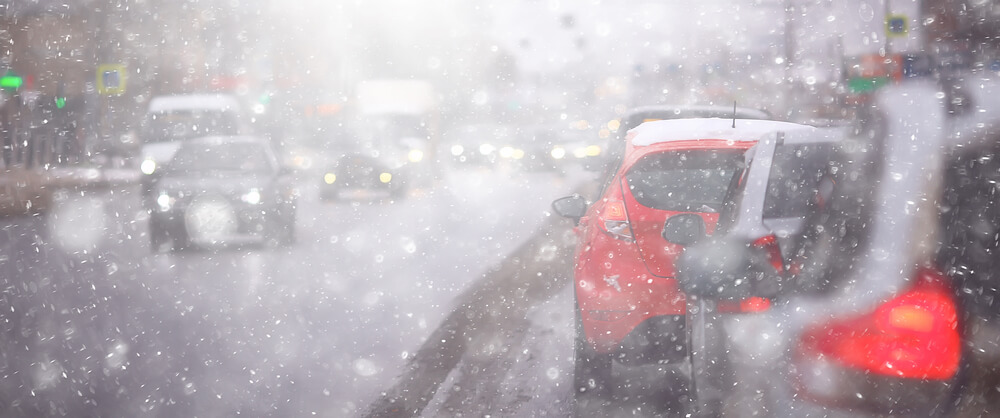
- Reduced visibility: Heavy snowfall, blowing snow, and fog can drastically reduce how far you can see. Make sure your headlights are on, slow down, and increase your following distance to give yourself more time to react.
Related: Top 5 safety tips for winter driving in Ontario
Stay safe on the roads this winter
Winter driving isn’t optional in Canada, it’s a reality. And preparation can mean the difference between a smooth trip and a dangerous one.
The RCMP recommends switching to winter tires when temperatures consistently fall below 7 °C. They also recommend carrying an emergency kit: warm clothing, food, water, a shovel, and a tow strap. These basics can keep you safe if you get stranded or slide off the road.
Before you hit the road, clear snow and ice from the entire vehicle, including the roof and walk a full circle around your car to check for major obstructions, black ice, or hazards that could affect traction or visibility.
Give snow ploughs plenty of space when driving and park carefully. A few extra minutes of caution can save you hours of trouble.
A clean driving record is worth keeping. One at-fault accident can push your insurance premium up by 25% to 50%, and that higher rate can stick around for up to six years. To protect yourself, make sure your coverage fits your needs. Shopping around and comparing policies can help you find the best rate from a trusted provider.
Winter driving can be tough, and at times, perilous – but combining safe and cautious driving with the right auto insurance policy will keep you safe and confident on the road no matter what the winter weather brings.
Learn more: Tips to avoid winter accidents
Save on Ontario auto insurance
Auto insurance rates change often, so how do you know if you're still getting the best deal? By comparing car insurance quotes upon renewal and at other key milestones (such as when you buy a new vehicle, or more to a different neighbourhood) you can make sure your rates remain competitive. Save money by comparing Ontario car insurance quotes today.

Aya AlHakim
Aya AlHakim, Data reporter
Aya Al-Hakim is a data reporter with Rates.ca. Previously, she worked as an online journalist, reporting on a wide range of topics including business, politics, and health. Her work has been featured in Global News, CBC, Yahoo Lifestyle Canada and Canadian Business.
Featured Topics
While dealers clear inventory in the fall, best car deals depend on vehicle demand, supply stock, and when the next model year arrives at dealerships.
Eastern Ontario dominates Ontario's cheapest car insurance markets, with annual premiums starting at $1,824 in 2026.
Colour of your car won't change your auto insurance rate but could impact vehicle repair costs and resale value.

How 'Dieselgate', stricter emissions rules, and changing economics reshaped Canada's passenger vehicle market away from diesel.
Premium gas costs nearly 30¢ more per litre than regular, meaning drivers whose vehicles don't require it could save $400 to $700 a year at the pump.
CEO of Rates.ca, Igal Mayer explains how Covid-era price increases reshaped the auto market and what could bring costs down for consumers.
Accident forgiveness is an extra layer of protection for drivers at fault in their first collision; and helps prevent an increase in premiums.
Adaptive driving equipment won't always raise your car insurance premium, but disclosure of changes that could impact a car's value is mandatory.

Buying Canadian cars may be top of mind in ongoing tit-for-tat tariff spat with U.S., but price advantages aren’t connected to assembly location.