Choose an Insurance Quote
Why driving on a closed road in Canada can cost you more than a fine

This article has been updated from a previous version.
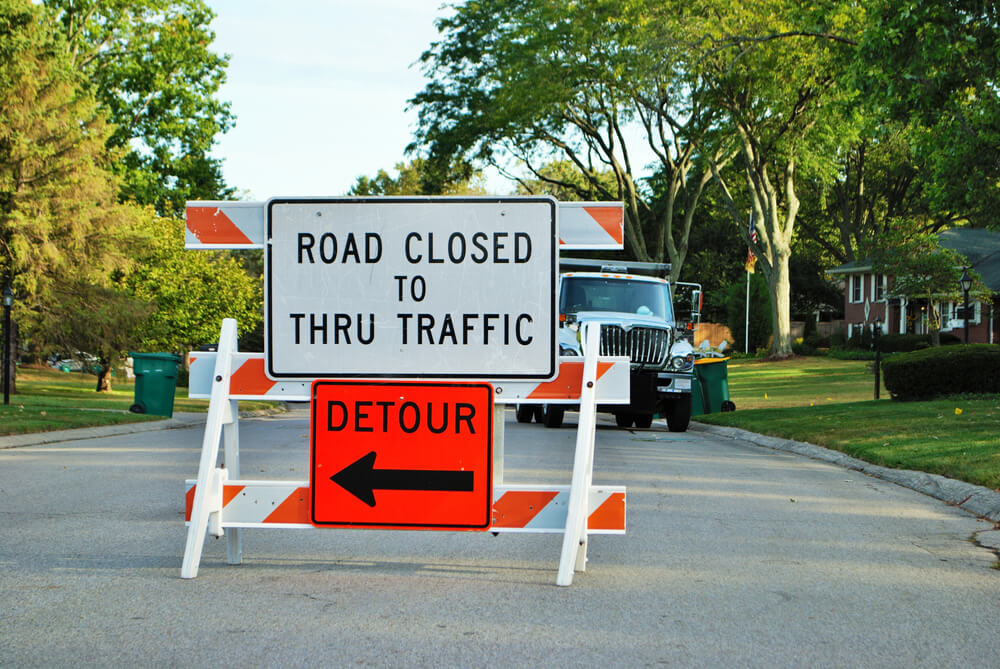
Have you ever come across a closed road and wondered why it was shut down—or what might happen if you ignored the signs? Maybe you saw the closure but no workers or obvious reasons behind it. Perhaps you followed the warnings, or maybe, in a rush, you drove through anyway.
Driving on a closed road doesn’t just risk fines and demerit points; it could also void your car insurance coverage.
That means if you get into an accident or damage your vehicle, you might be left footing the bill entirely on your own.
What happens if you drive on a closed road?
Driving on a closed road can bring serious consequences, starting with legal and financial penalties. Depending on the province, fines for ignoring a road closure can range from about $100 to $500 or more.
In Ontario, for example, ignoring an official “Road Closed” sign can lead to a fine of up to $110 under the Highway Traffic Act. These fines are meant to discourage drivers from taking risks that could put themselves or others in danger.
But it’s not just about the money. In some places, you could also get demerit points added to your driver’s license. Demerit points can affect your driving record and, if you accumulate too many, could lead to your license being suspended or other consequences.
Beyond fines and penalties, the biggest concern is safety. Roads are often closed because there’s usually real danger ahead. Even if it looks safe when you arrive, the conditions could change quickly or be harder to see than you think.
By driving on a closed road, you’re putting yourself, your passengers, other drivers, pedestrians, and any workers or emergency personnel at risk. It can also cause accidents, which could have serious or even life-threatening consequences.
Related: What happens to your insurance when you get two traffic tickets in one stop?
Will my car insurance cover accidents on a closed road?
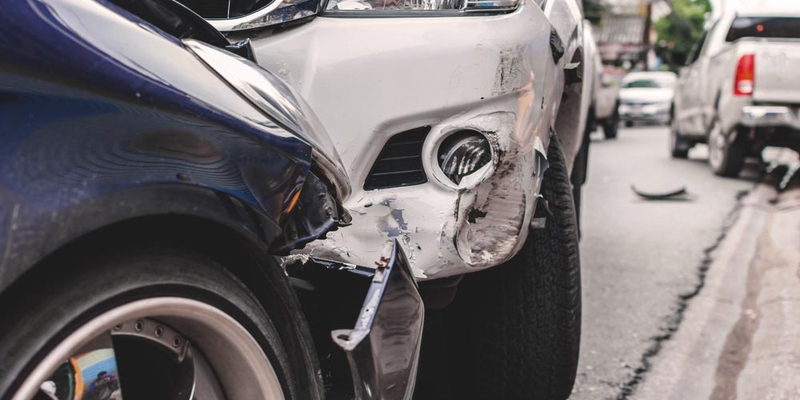
If you get into an accident or damage your car while driving on a closed road, your car insurance is unlikely to cover the costs. This is because driving on a closed road is considered a violation of traffic laws and is often classified as “risky behavior” by insurers.
Insurance policies typically include clauses that exclude coverage for accidents caused by illegal or reckless actions. Even if the road looks safe and there’s no visible danger, the fact that it was officially closed can be enough for your insurer to deny your claim.
This means you could be left paying out of pocket for vehicle repairs, medical bills, or any damage caused to others. Additionally, being found at fault for an accident on a closed road could further impact your insurance premiums, making future coverage more expensive or harder to obtain.
Learn more: What can void your car insurance in Ontario?
What are the two types of road closures?
Whether you're stuck in traffic or rerouting your commute, understanding the two types of road closures can help you plan ahead.
Planned road closures
These types of road closures are scheduled in advance. Think of situations such as road repairs, construction projects, big events like parades or marathons, or seasonal closures (like winter shutdowns on mountain roads).
Planned closures are often announced days or even weeks ahead of time, giving drivers ample opportunity to plan alternate routes. You’ll often see signs for these types of closures well ahead of time and maybe even detours to help drivers get around.
To avoid surprises, check for planned closures before heading out. Provincial transportation websites and 511 services provide real-time updates. For example, Ontario’s 511 system lists current road closures, construction zones, and traffic conditions.
Many navigation apps, like Google Maps or Waze, also integrate this information to help you reroute efficiently.
Unplanned road closures
These occur without warning and are typically caused by unexpected events like accidents, severe weather (such as floods or heavy snow), or emergency repairs. In these situations, you might encounter newly placed signs or find police and emergency crews managing traffic.
What makes unplanned closures particularly hazardous is their association with high-risk conditions—think dangerous storms, post-accident debris, or structural damage to the road.
Regardless of the cause, the law treats all road closures the same.
Whether planned or unplanned, the rules about fines, safety, and insurance remain consistent. Drivers are required to follow closure signs and avoid restricted areas. Failing to do so not only endangers you and others but could also result in your car insurance denying coverage if an accident occurs.
Why do roads get closed?
Roads close because driving through can be dangerous for you, for other drivers, and for workers on site. Closed roads might have:
- Dangerous potholes or other damage that needs to be repaired.
- Flooding or fallen trees blocking the way.
- Construction equipment and workers.
- Unsafe conditions from weather or accidents.
Even if no workers are around when you pass, the road might still be unsafe.
Read more: Car accidents in parking lots: Who is at fault?
Where are roads most likely to be closed?
Road closures can pop up in lots of places, but some spots are more common than others. Here’s where you’re most likely to run into them:
- Construction zones: Common in cities and along highways but can happen anywhere. Major infrastructure projects, bridge repairs, or utility work often lead to long-term closures or detours.
- Highways during emergencies: Closures on highways are common after accidents, severe weather, or hazardous material spills. These closures can range from a single lane to the entire roadway, depending on the severity of the situation.
- Parks and rural areas: Seasonal closures to protect the environment or because roads aren’t safe in winter. For example, mountain roads may close due to avalanche risks, while park roads might shut down to prevent damage during wet seasons.
- Special events: Parades, festivals, concerts, or sporting events that require street closures.
Related: What to do if you hit an animal and need to file an insurance claim
Final tips for drivers
To stay safe (and keep your insurance valid) always obey road closure signs, even if the road looks clear. If you’re not sure why a road is closed, it’s safer to take another route.
Before heading out, check local news or traffic apps for updates so you can avoid unexpected detours. And remember, your insurance might not cover any damage or accidents if you drive on a closed road.
In short, closed roads are there to protect you and others. Ignoring them isn’t worth the risk, the fines, or the potential insurance headaches. Stay safe, follow the signs, and plan your route ahead of time.
Read next: What do accident benefits in Ontario cover?
Don't waste time calling around for auto insurance
Use Rates.ca to shop around, and compare multiple quotes at the same time.

Caitlin McCormack
Caitlin McCormack, Freelance writer
Caitlin McCormack is a writer based in Toronto. Her work has appeared in MSN, Food Network, HuffPost, What to Expect, Today's Parent, and Mashable, among others. When she isn't writing, she's busy chasing after her two sons, testing out new recipes, and working on her century-old fixer-upper.
Featured Topics
While dealers clear inventory in the fall, best car deals depend on vehicle demand, supply stock, and when the next model year arrives at dealerships.
Eastern Ontario dominates Ontario's cheapest car insurance markets, with annual premiums starting at $1,824 in 2026.
Colour of your car won't change your auto insurance rate but could impact vehicle repair costs and resale value.

How 'Dieselgate', stricter emissions rules, and changing economics reshaped Canada's passenger vehicle market away from diesel.
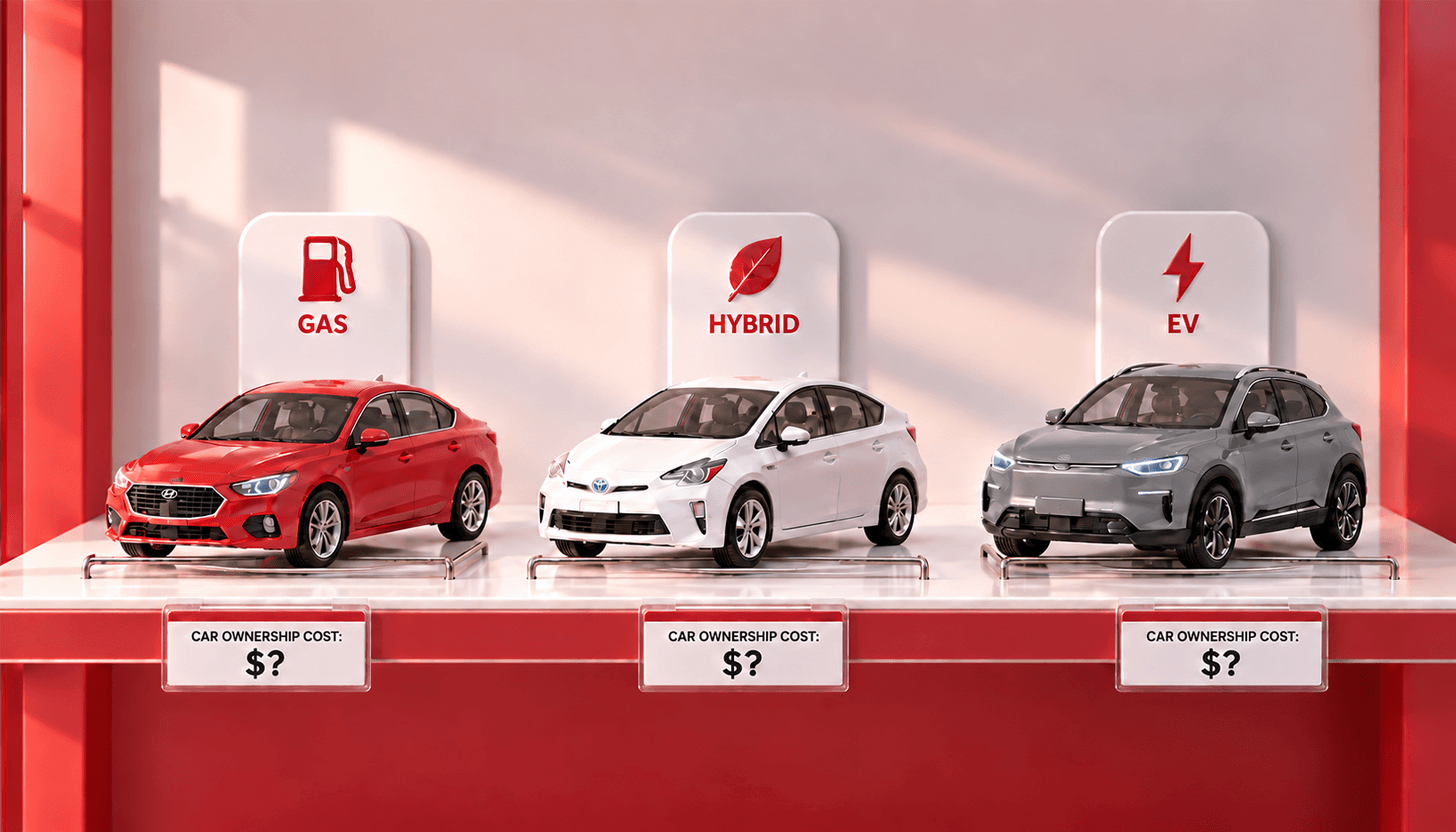
Premium gas costs nearly 30¢ more per litre than regular, meaning drivers whose vehicles don't require it could save $400 to $700 a year at the pump.
CEO of Rates.ca, Igal Mayer explains how Covid-era price increases reshaped the auto market and what could bring costs down for consumers.
Accident forgiveness is an extra layer of protection for drivers at fault in their first collision; and helps prevent an increase in premiums.
Adaptive driving equipment won't always raise your car insurance premium, but disclosure of changes that could impact a car's value is mandatory.
Buying Canadian cars may be top of mind in ongoing tit-for-tat tariff spat with U.S., but price advantages aren’t connected to assembly location.